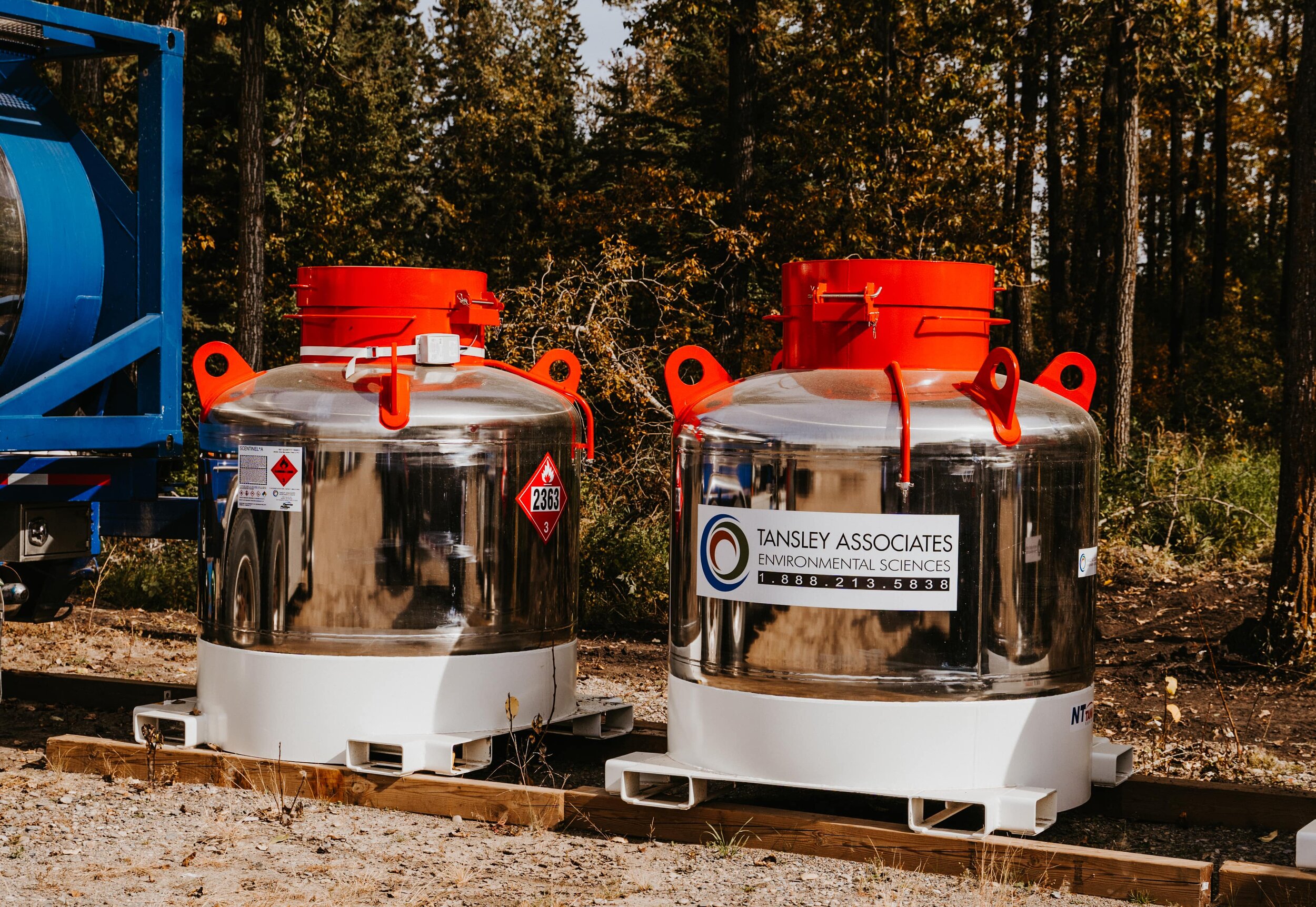
Odorant Vessel Pad Clearance After Removal: A Utility Planning Guide
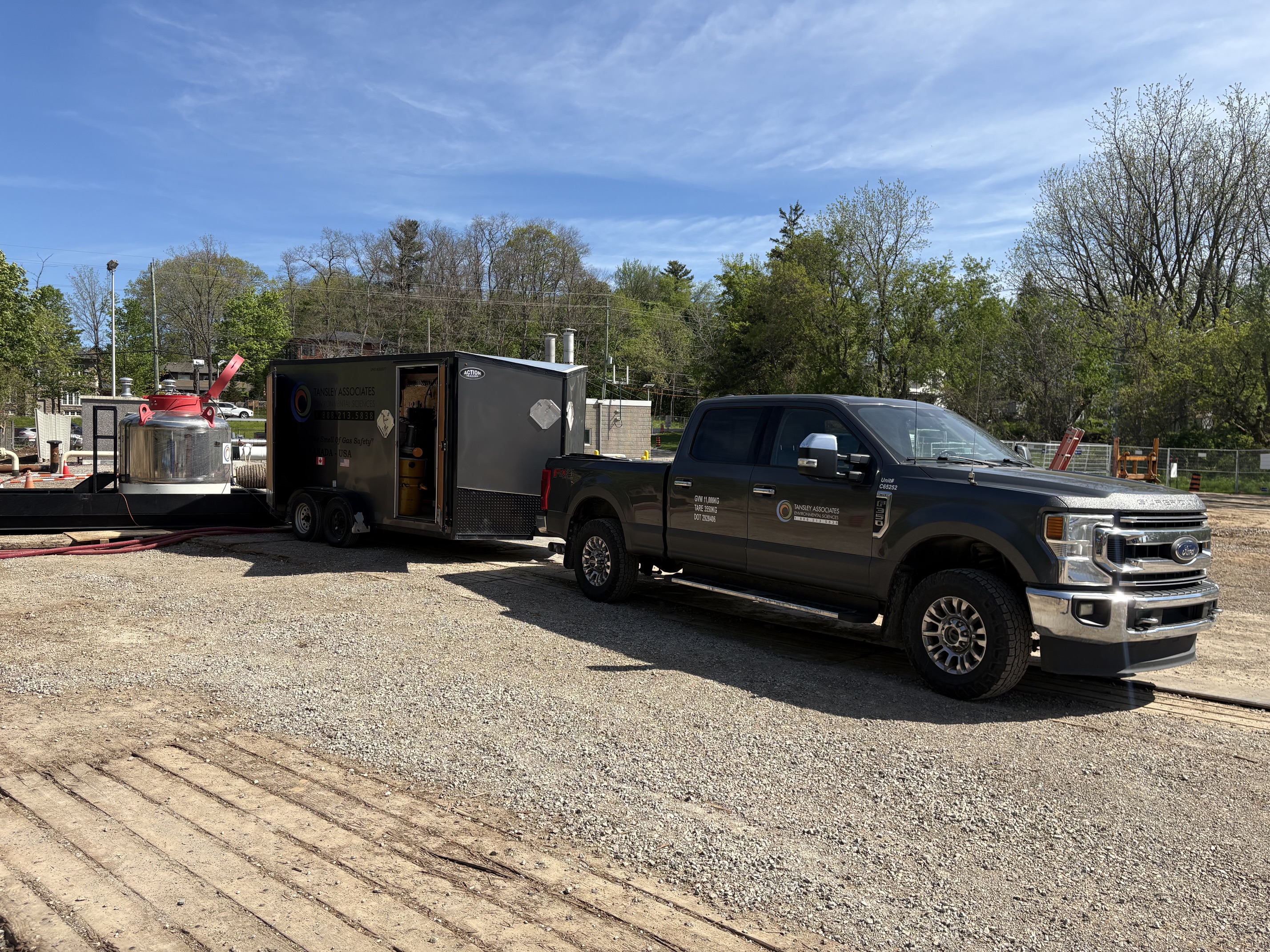
Removing an odorant vessel does not necessarily mean the site is ready for what comes next.
Once the vessel leaves the pad, utilities may still need to address residual odorant, disconnected piping and fittings, affected surfaces, waste materials, and the condition of the surrounding area. These details matter whether the site is being permanently retired or prepared for a replacement odorant vessel.
Planning pad clearance as its own stage of the project helps prevent an important gap between vessel removal and replacement. It also gives engineering, operations, environmental, and contractor teams a clear definition of what the site should look like when the work is complete.
Pad clearance is a different job from decommissioning the vessel
Vessel decommissioning and pad clearance are connected, but they are not the same job.
Decommissioning focuses on safely removing the odorant vessel from service and managing the vessel itself. Depending on the project, that can include residual product management, controlled transportation, deodorization, destruction, recycling, and the documentation required to close out the vessel's lifecycle.
Our guide to odorant vessel decommissioning and deodorization considerations looks more closely at that process.
Pad clearance focuses on what remains at the utility site after the vessel has been removed.
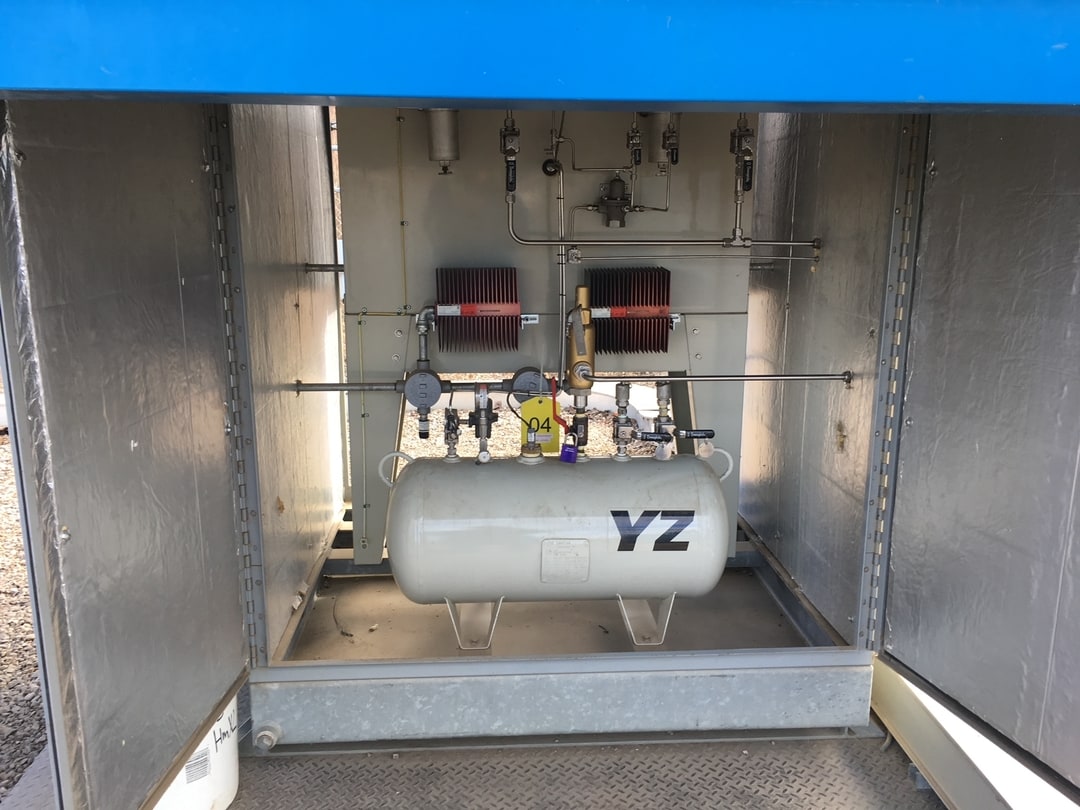
Piping may still contain residual odorant. Fittings and connections may need to be removed or isolated. Surfaces may require assessment, and the pad itself may need repair or modification before another vessel can be installed.
Treating these as separate but coordinated scopes makes it easier to assign responsibility and determine when the site is actually ready for its next use.
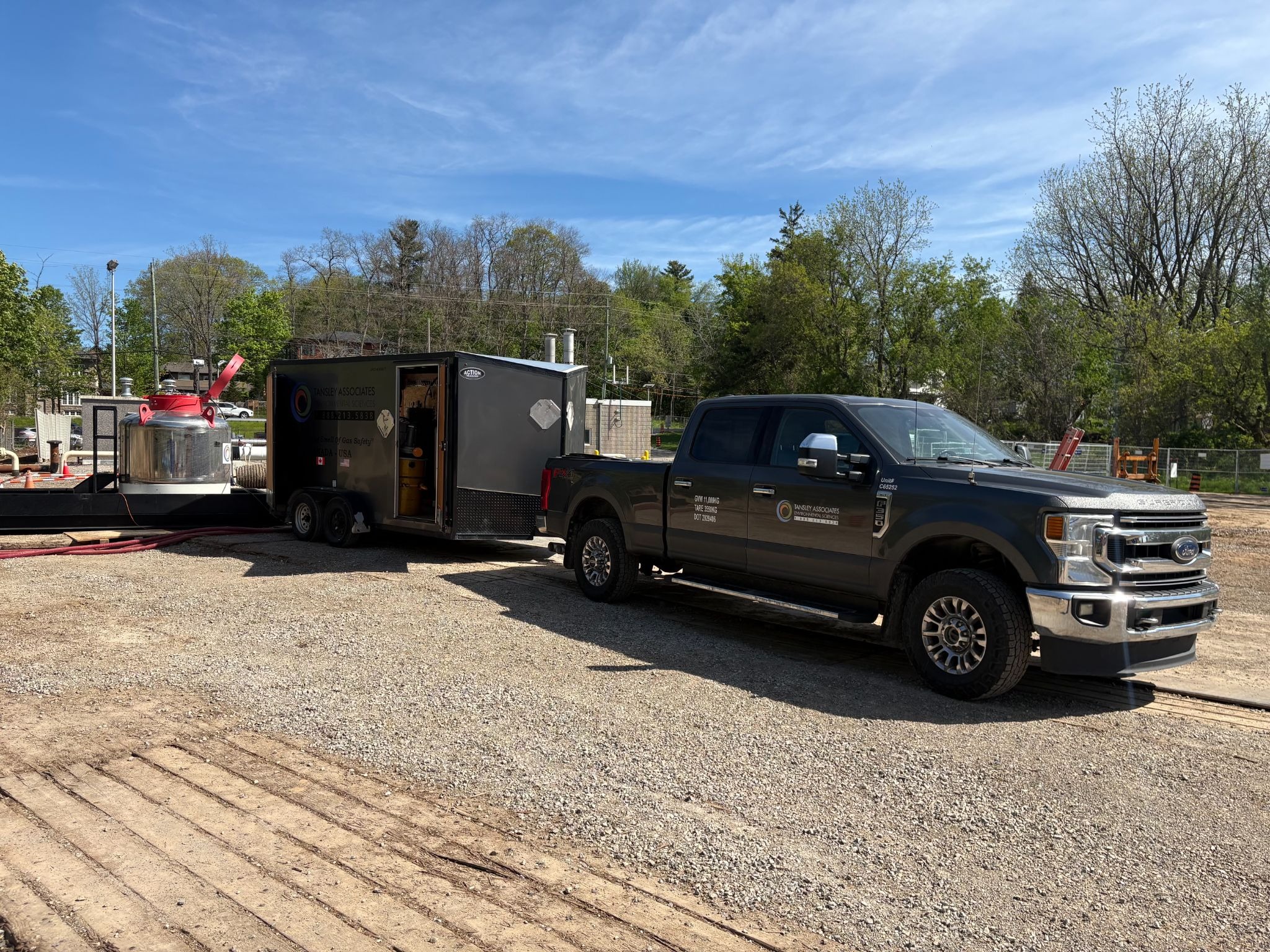
What “clear” should mean on an odorant service pad
A clear pad should mean more than an empty space where the previous vessel was located.
The site should be assessed for anything left behind by the previous installation that could affect safety, environmental conditions, future work, or the replacement vessel.
That includes visible equipment as well as less obvious concerns such as residual odorant in piping, contamination on surfaces, damaged connections, or site conditions that could interfere with the next installation.
The required end condition will depend on what happens next. A pad being permanently retired may require a different scope than one being prepared immediately for a replacement vessel.
The important step is to define what "clear" means before removal begins, rather than making that decision after the vessel has already left the site.
Odorant vessel pad clearance checklist
A planned clearance process gives everyone involved a common understanding of what must happen before the project can move forward.
1. Residual odorant and surface assessment
After vessel removal, the surrounding area should be assessed for evidence of residual odorant or contamination.
Odorant is detectable at very low concentrations, so relatively small amounts remaining on equipment or surfaces can continue to create noticeable odours.
The assessment should consider the vessel connection area, pad surface, transfer points, nearby equipment, and other locations where odorant may have been handled during the life of the installation.
The surrounding environment should also be considered. Agricultural land, neighbouring properties, drainage routes, groundwater conditions, and other areas that could be affected by an odorant release may influence how the clearance work should be planned.
Any affected material should be addressed according to the site's procedures and applicable requirements rather than assuming vessel removal has resolved the issue.
2. Remaining piping and fittings
Removing the vessel does not automatically clear the rest of the odorant system.
Associated piping, valves, hoses, fittings, and connections may still contain residual liquid or vapour and should be included in the clearance plan.
Engineering teams should determine which components will be removed, which will remain, and whether any existing infrastructure will be incorporated into the replacement installation.
This is also an opportunity to reconsider the site's connection arrangement.
If the utility is moving toward a transportable vessel and planned odorant vessel exchange, the new operating sequence may require different access, connection, positioning, and future exchange considerations.
3. Waste handling and chain of custody
Materials generated during pad clearance should have a defined handling path.
Depending on the project, that could include residual odorant, contaminated absorbents or cleaning materials, removed piping and fittings, and other materials that cannot remain at the site.
Responsibilities should be established before work begins.
The utility should know who is responsible for each material, how it will be handled, where it will go, and what documentation should follow it.
The same principle applies to the outgoing vessel. Its documented lifecycle should continue through removal, transportation, decommissioning, and final disposition rather than ending when it leaves the utility property.
4. Site restoration criteria
Once the equipment and affected materials have been addressed, the physical condition of the site needs to be evaluated.
Is the existing pad suitable for continued use? Does it match the footprint and requirements of the replacement vessel? Are there damaged areas, drainage concerns, clearance issues, access limitations, or connection changes that should be addressed before new equipment arrives?
If the replacement project involves a different vessel capacity or configuration, those requirements should be considered before restoration work is completed.
The objective is not necessarily to return the pad to exactly what it was before. It is to prepare it appropriately for its intended future use.
5. Sign-off before the replacement vessel lands
The replacement vessel should not arrive before the site is ready to receive it.
Before delivery, the responsible teams should confirm that clearance work is complete, the pad meets the requirements of the new installation, required connections are ready, and delivery and lifting access are available.
This is especially important when the incoming vessel will be delivered filled and service-ready. Avoidable site preparation work should not be taking place while the replacement vessel is waiting to be positioned.
A defined sign-off creates a clear transition between removal, clearance, and installation.
Records that close the clearance job
A completed pad clearance should leave a clear paper trail.
The exact records will depend on the site and project requirements, but the documentation should establish what was removed, what remained, what work was completed, how residual materials were managed, and whether the site was accepted for its next use.
Useful records can include vessel removal documentation, site and surface assessments, piping and equipment removal records, waste handling documentation, photographs of the cleared site, repair or restoration records, and final replacement-readiness sign-off.
These records become particularly important when responsibility is divided among utility departments, contractors, transportation providers, and vessel specialists.
They also support the broader lifecycle documentation discussed in our guide to odorant storage vessel regulations and compliance.
How clearance sequences with Replacement
Pad clearance should be planned alongside replacement rather than treated as an isolated cleanup project.
The requirements of the incoming vessel can influence what needs to happen after the existing vessel is removed. Vessel dimensions, pad requirements, piping configuration, lifting access, monitoring equipment, and future service access should all be understood before restoration work is completed.
This is particularly important when a utility is changing how the site will operate.
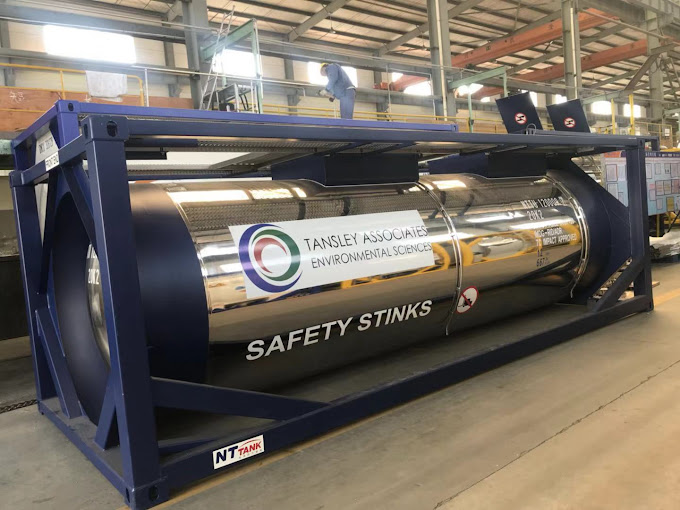
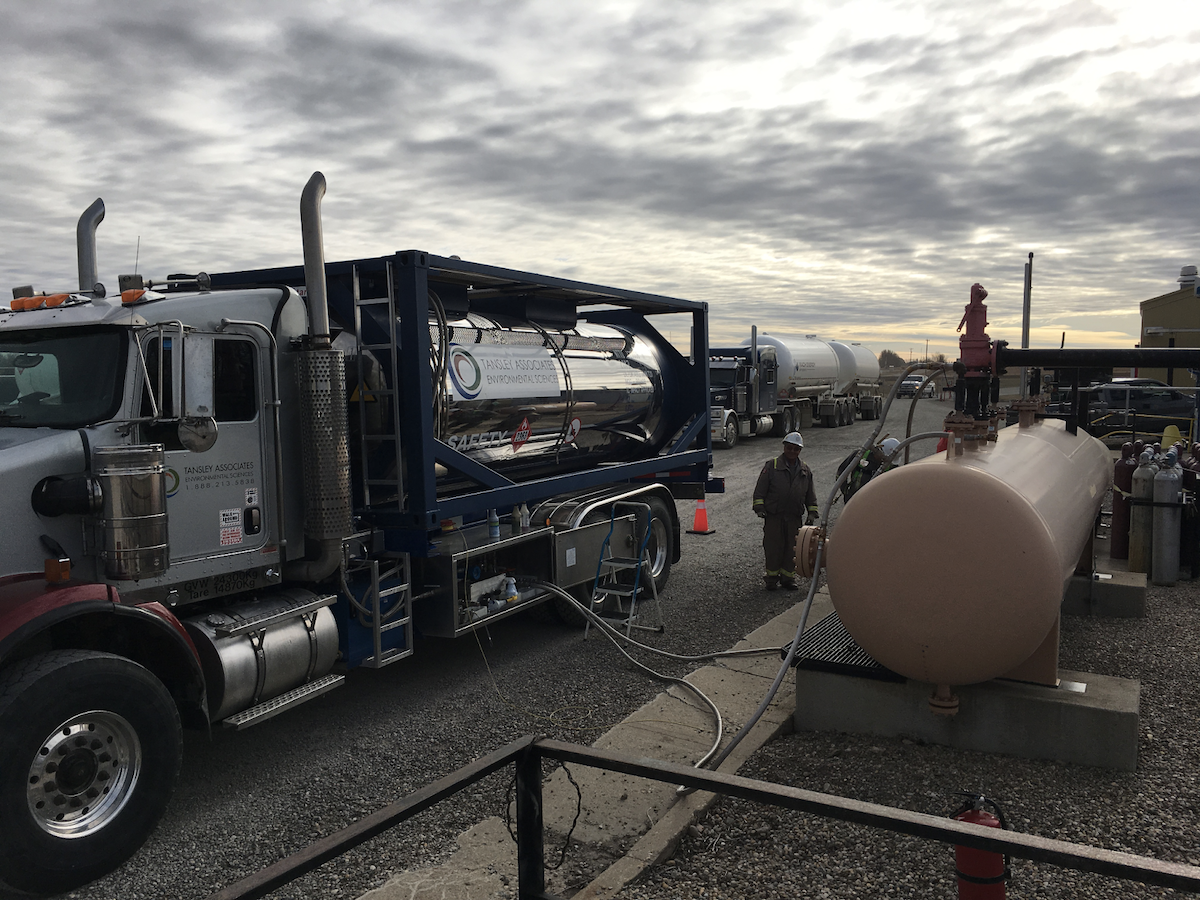
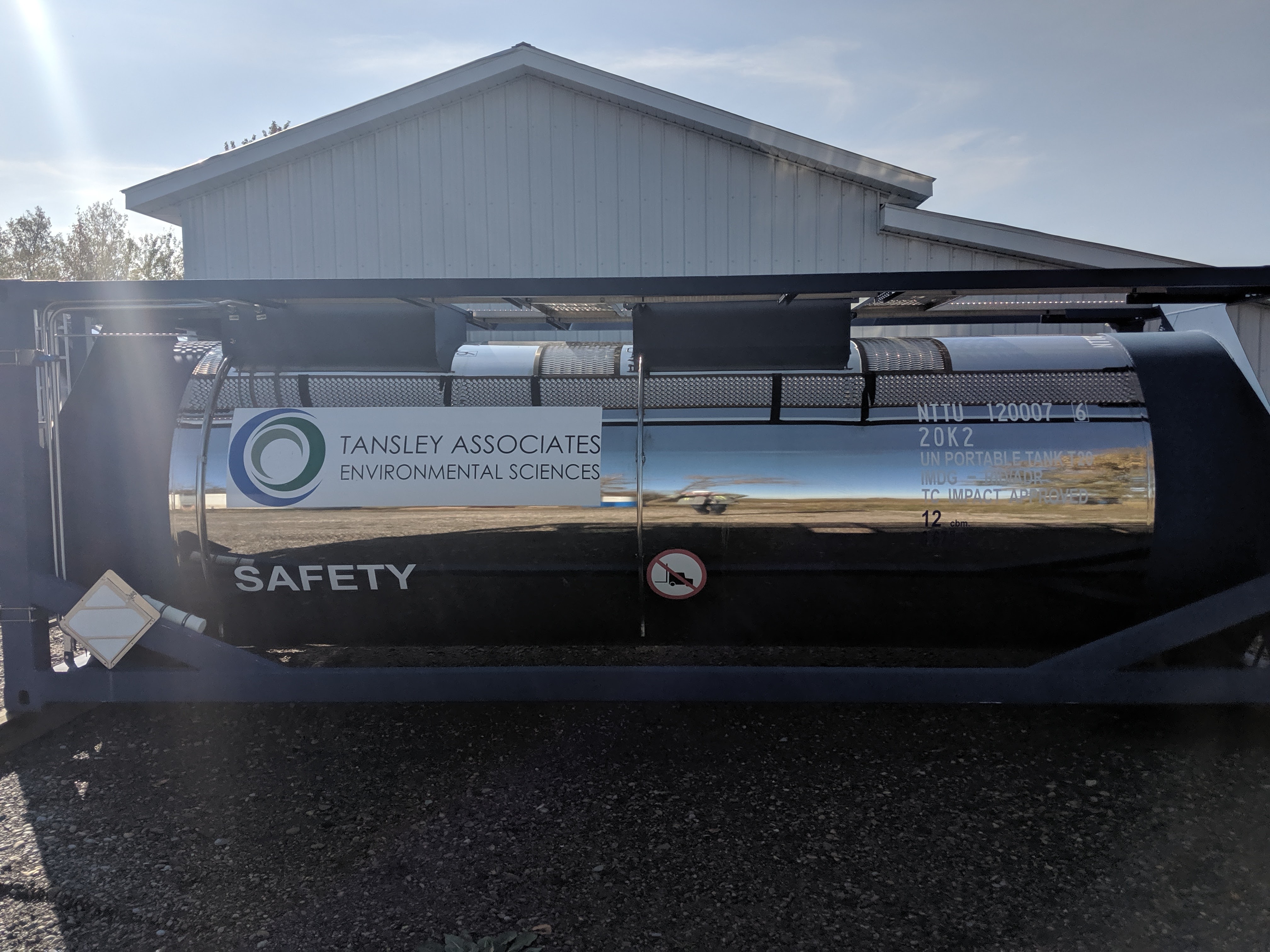
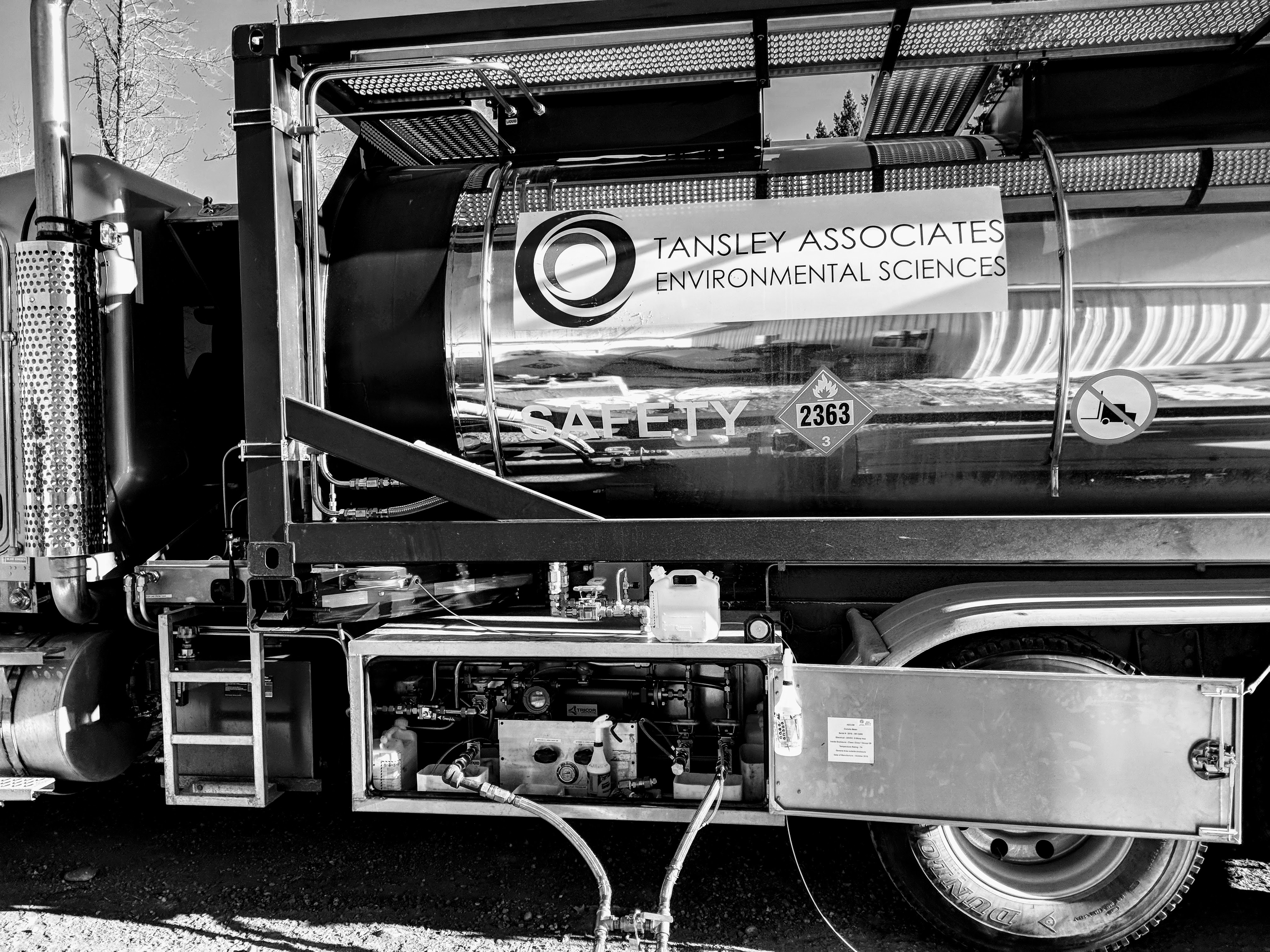
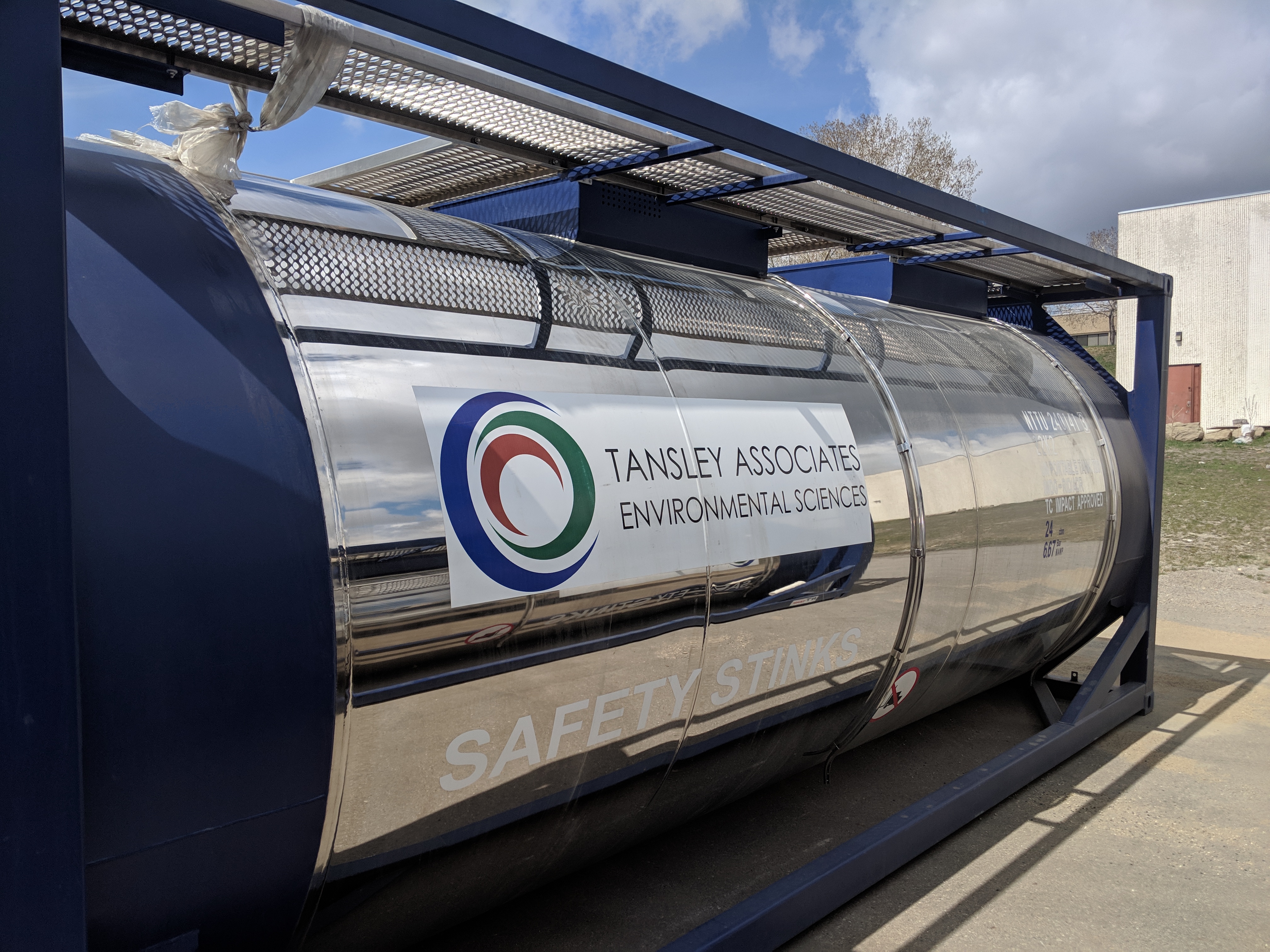
Moving to Tansley's leasing and vessel exchange model means planning for the incoming vessel as well as future exchanges. Site access should support delivery of a filled, recertified, service-ready vessel and removal of the existing vessel when its scheduled service cycle is complete.
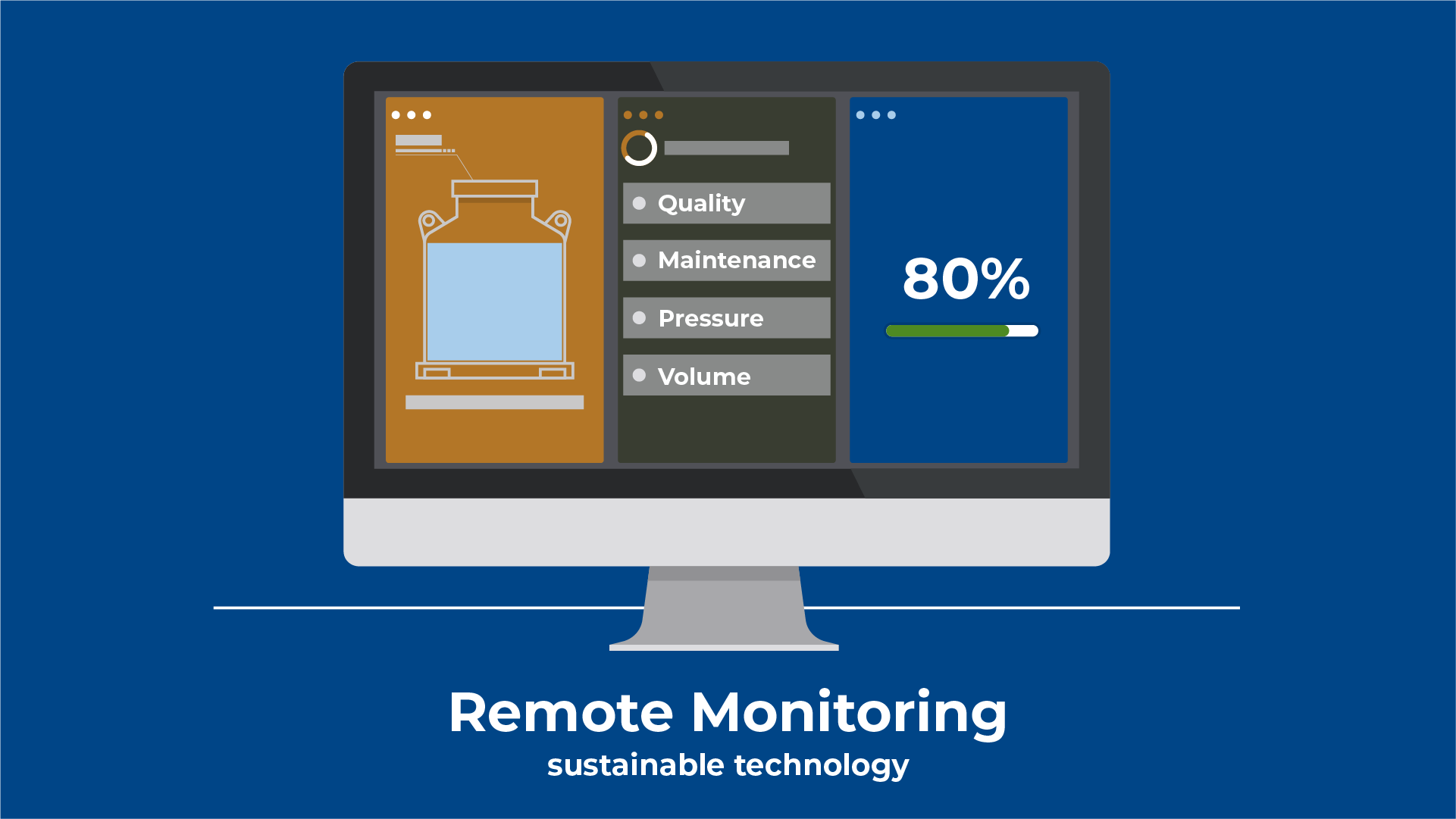
The replacement can also be planned around modern monitoring requirements. Remote level monitoring can provide visibility into odorant inventory and consumption between site visits, helping utilities and service teams plan future exchanges. Continuous odorant quality monitoring represents a separate emerging opportunity to provide greater visibility into the condition of the odorant itself.
Looking at removal, clearance, replacement, monitoring, and future maintenance as one lifecycle helps prevent decisions made during the clearance stage from creating problems later.
When a specialist should own the pad
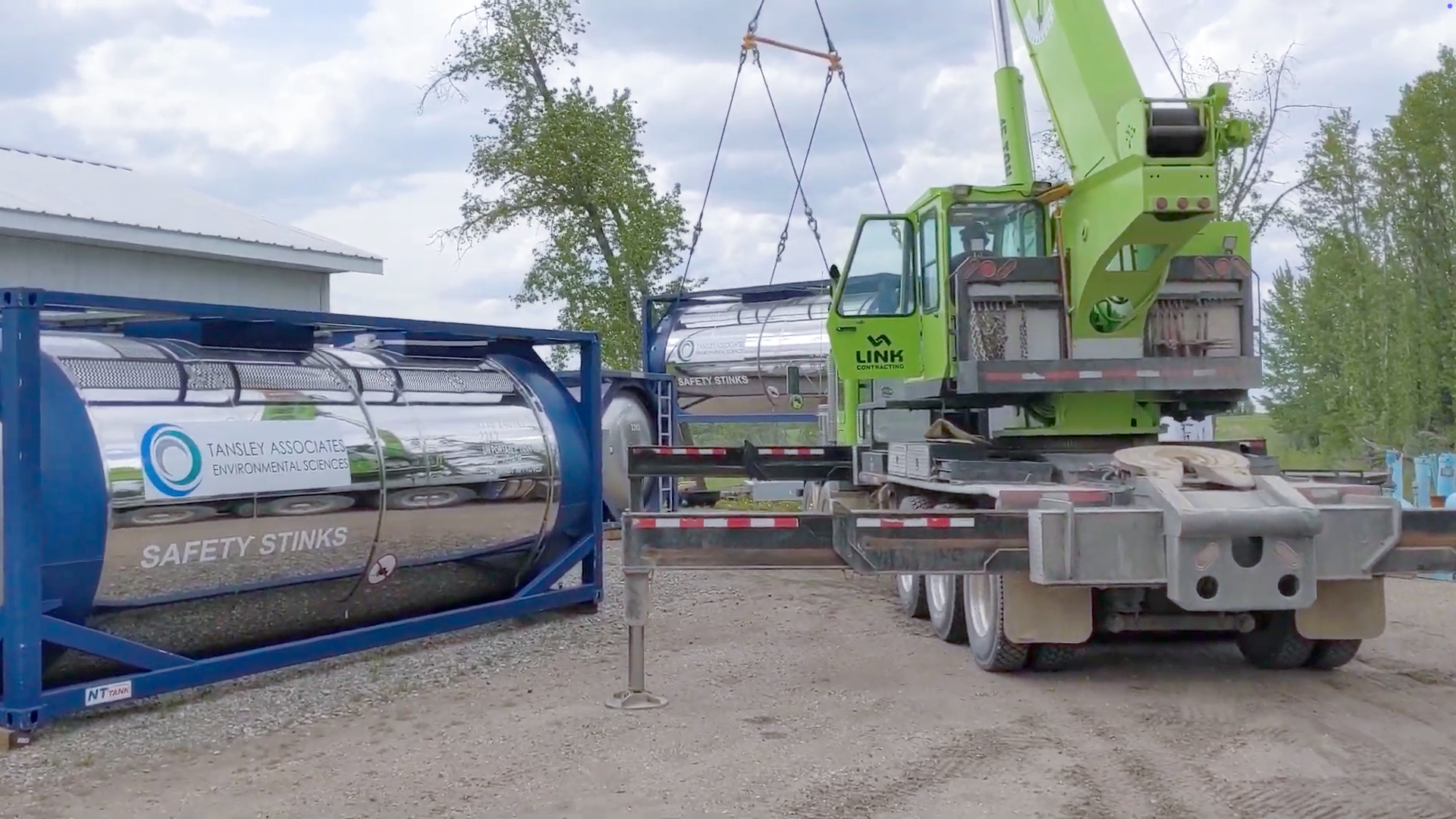
Odorant vessel removal can involve more than lifting a vessel from a concrete pad.
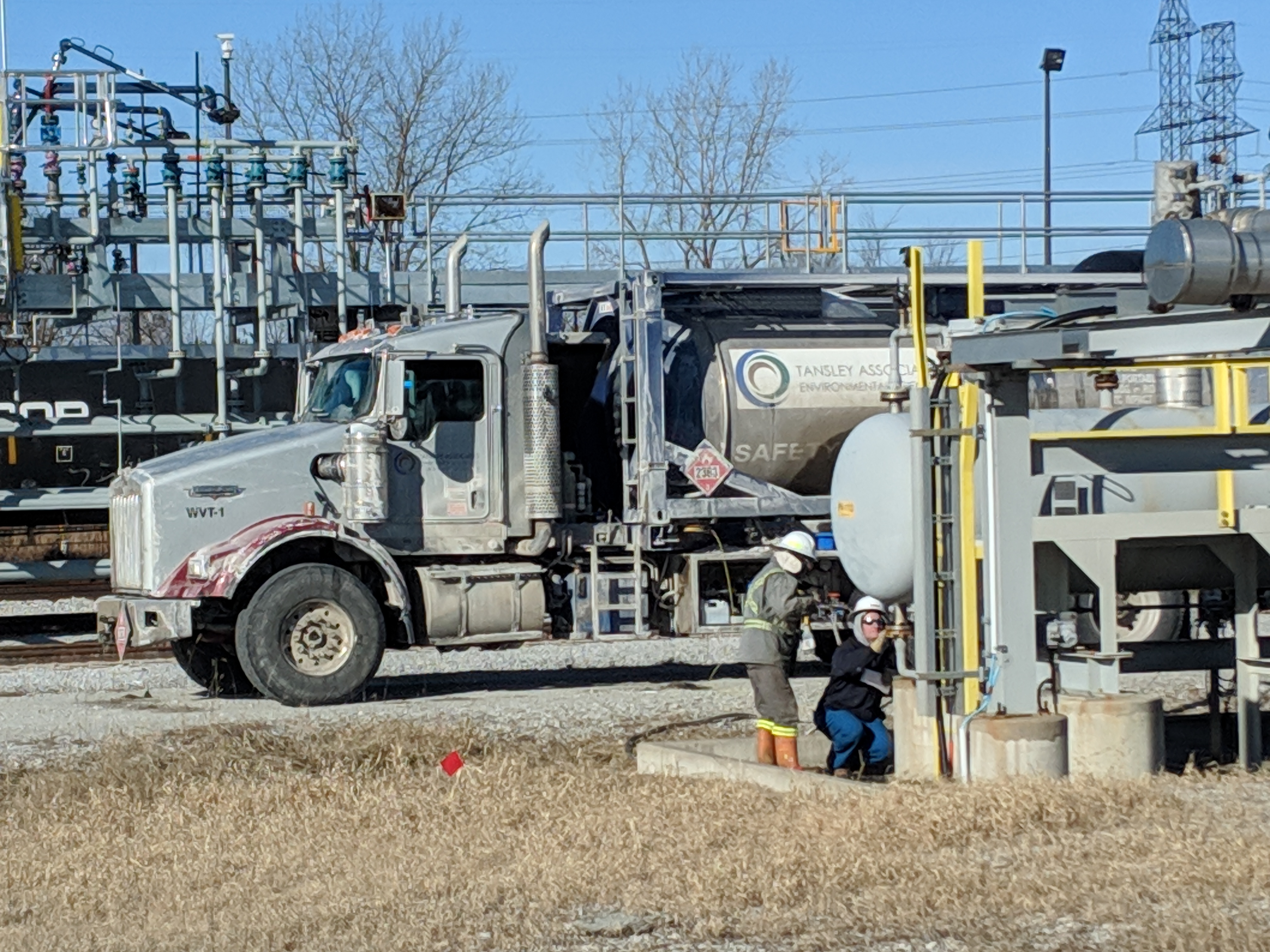
Where residual odorant, affected components, uncertain piping conditions, environmental concerns, or decommissioning requirements are involved, utilities should establish who has the appropriate experience and responsibility to manage the work before removal begins.
The same applies when the site is transitioning directly into a replacement program. Coordinating the outgoing vessel, pad clearance, incoming vessel, documentation, and future service requirements can reduce the number of disconnected scopes the utility must manage.
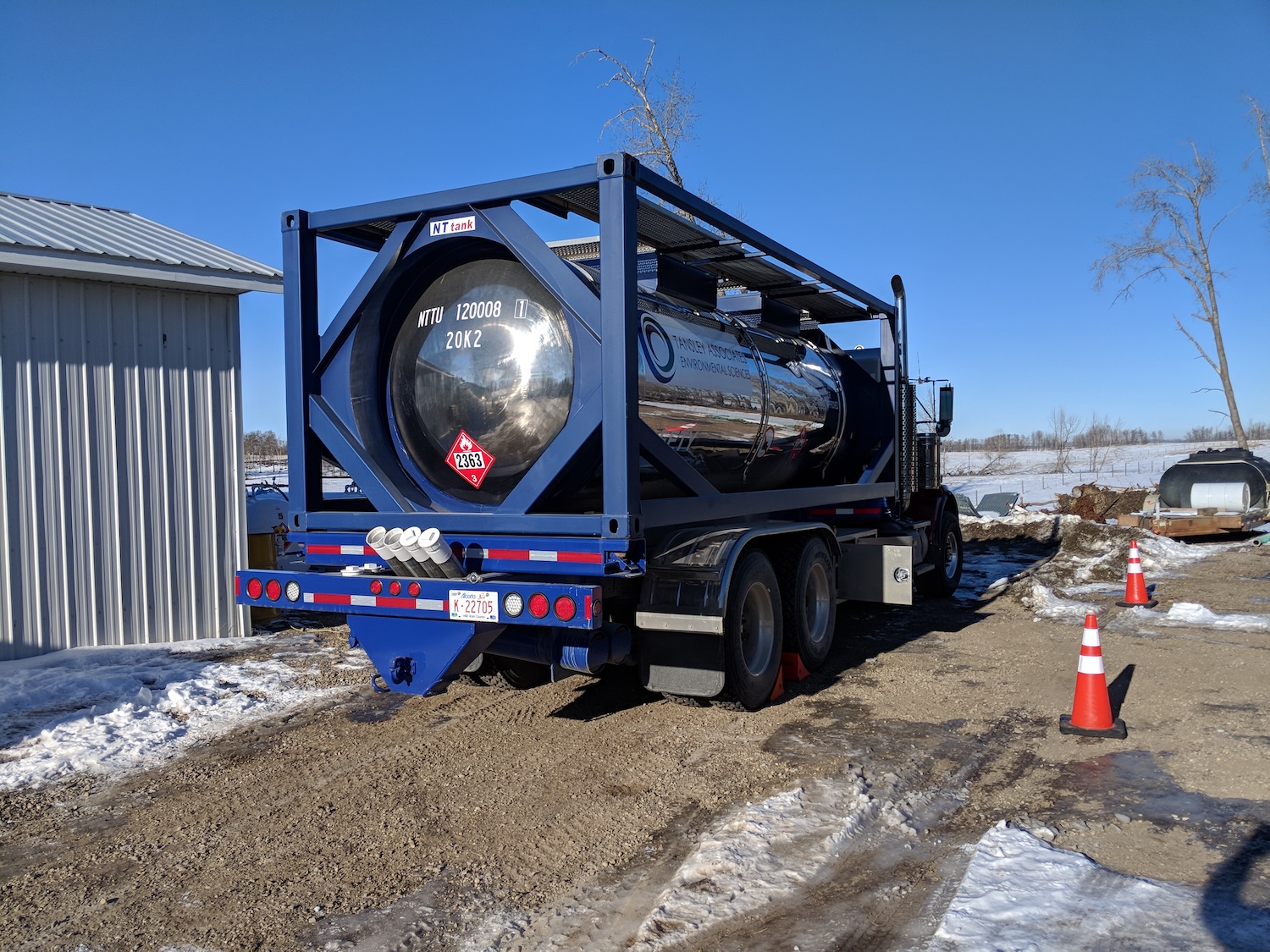
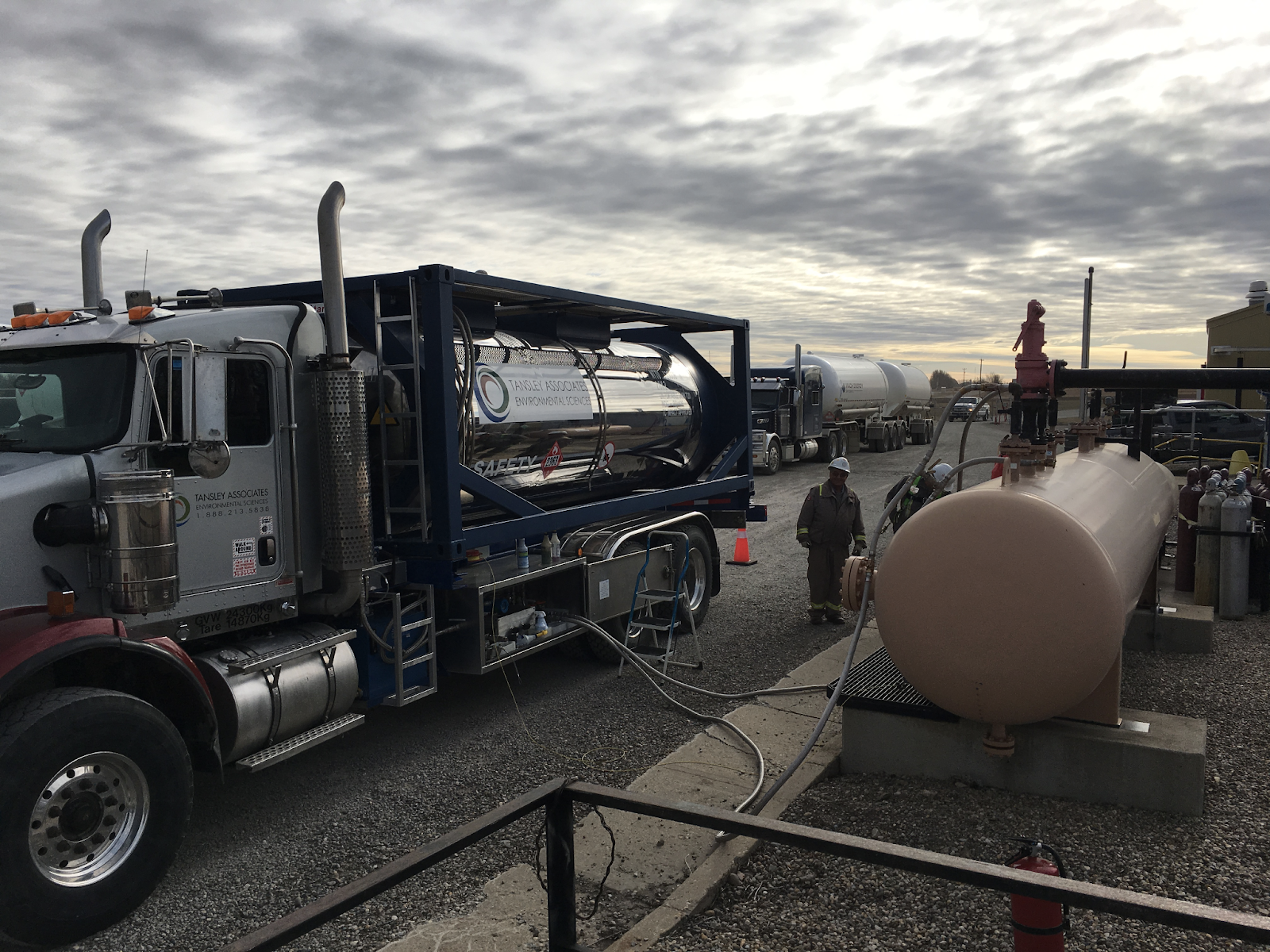
Under Tansley's leasing model, the vessel itself remains part of a managed lifecycle. When an exchange is required, Tansley delivers the replacement vessel and removes the existing vessel for off-site inspection, cleaning, maintenance, drying verification, recertification, refilling, and technology upgrades as required.
That allows the utility to plan the pad around an ongoing vessel program rather than treating each removal, service event, and replacement as a separate project.
If your organization is preparing to remove an existing odorant vessel or clear a site for replacement, explore Tansley's odorant services or contact Tansley Associates Environmental Sciences to discuss the requirements of your site.
If you have any odorant concerns or questions, we would be pleased to talk to you. Call 403.569.8566