

ISO Odorant Vessel Lifecycle Management: From Spec to Decommissioning
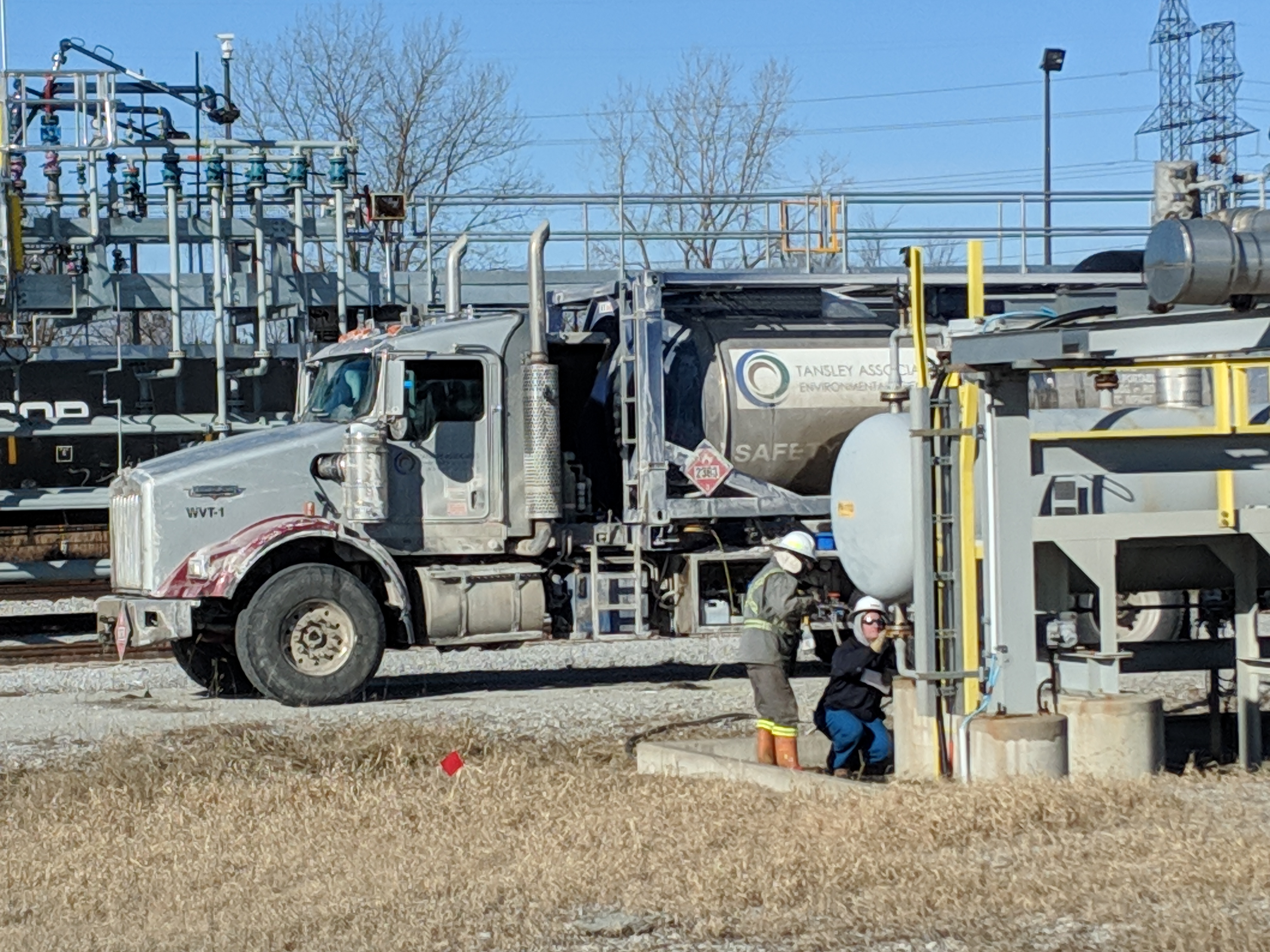
Odorant vessel performance is not just about how a tank is built. It is about how it is prepared, maintained, and kept in service over time.
Decommissioning an odorant vessel is a complex and costly process. It requires controlled removal of residual odorant, specialized deodorization, transport, and certified disposal. For many operators, this stage becomes one of the most expensive and disruptive parts of managing odorant storage infrastructure.
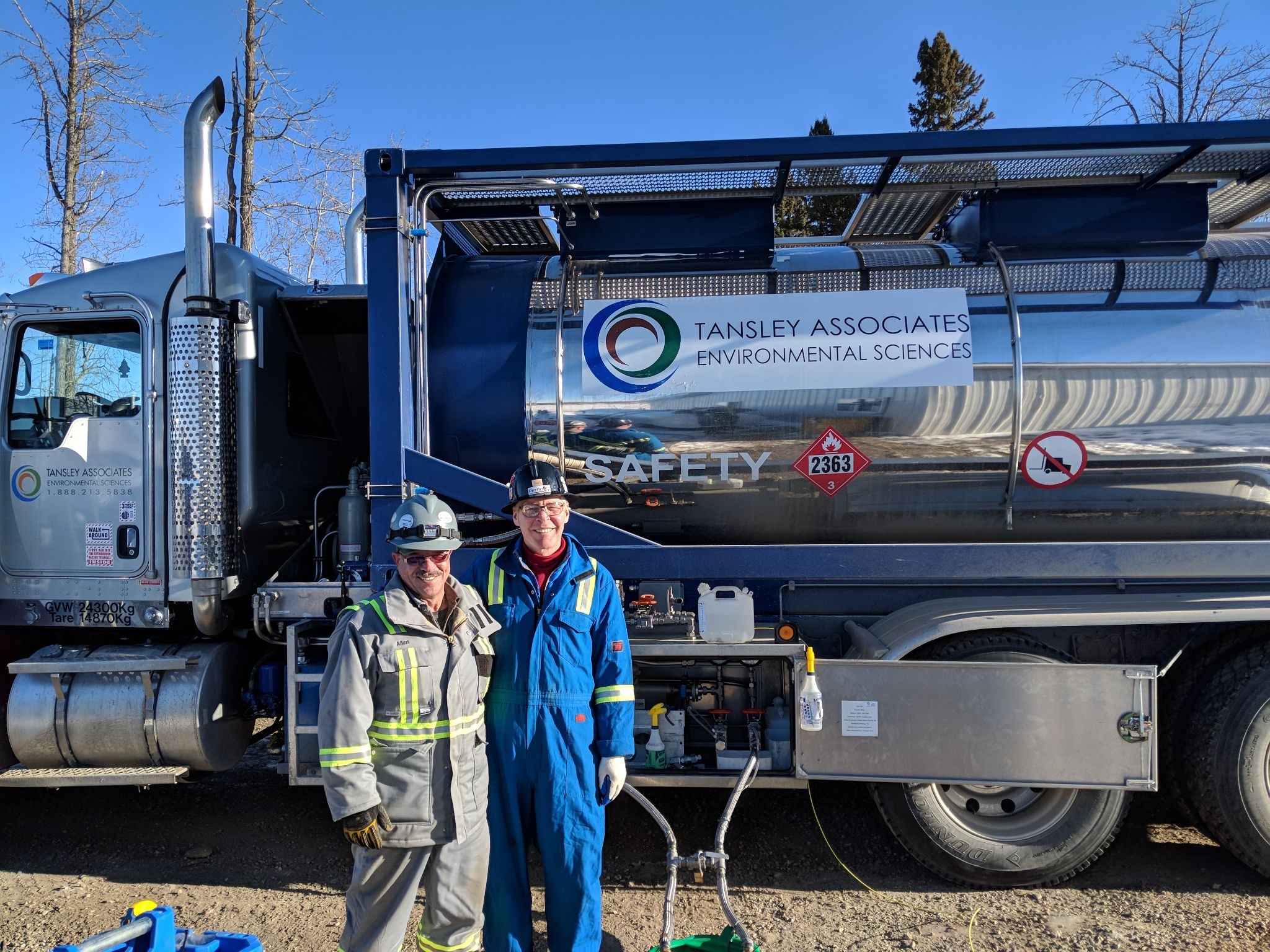
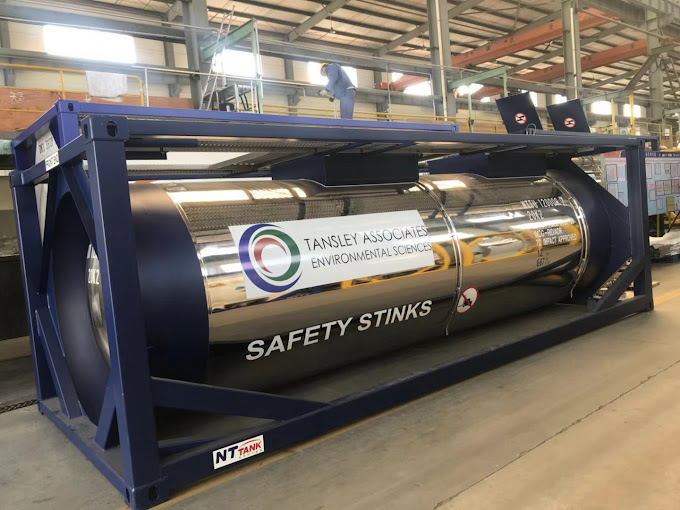
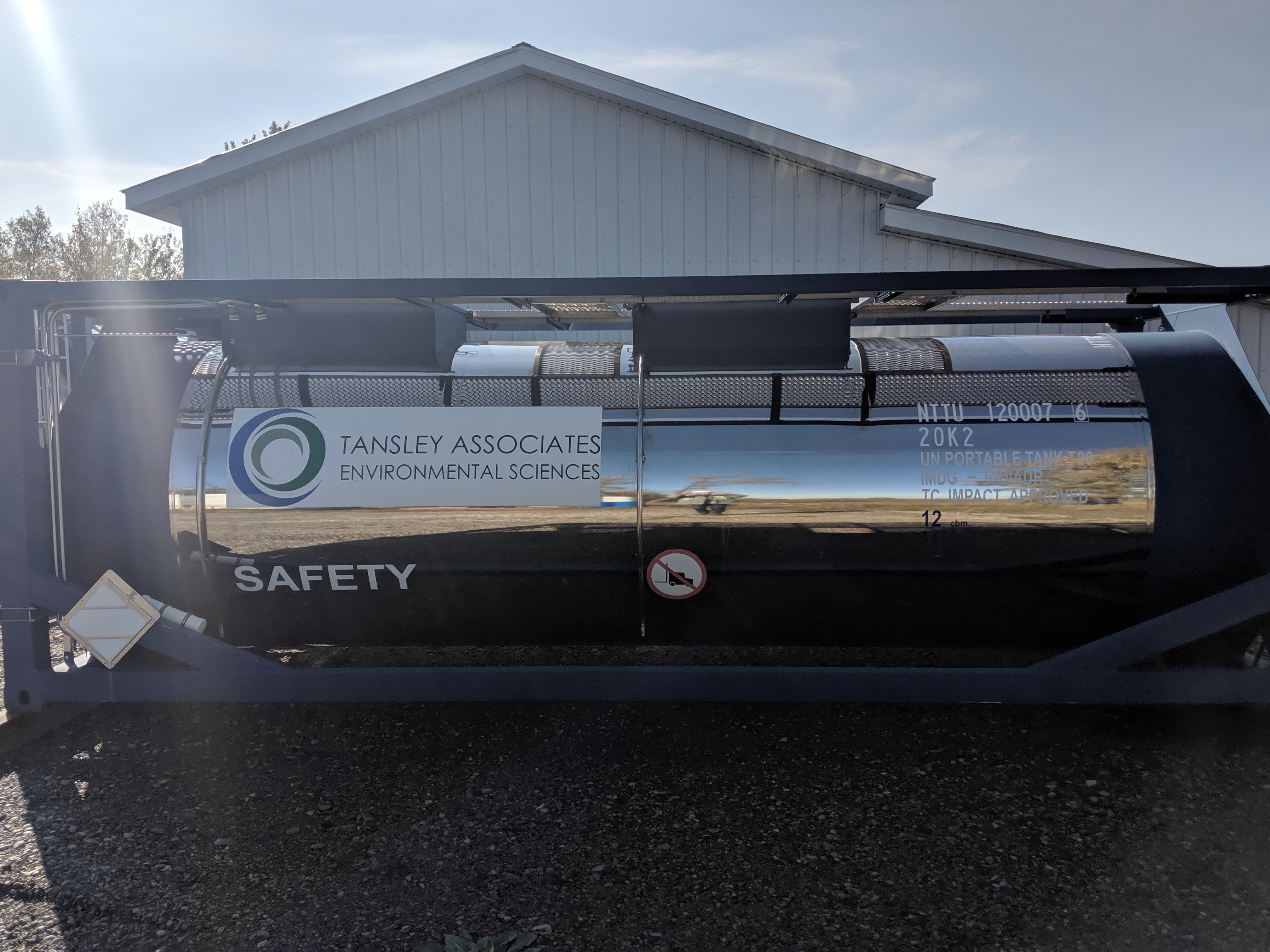
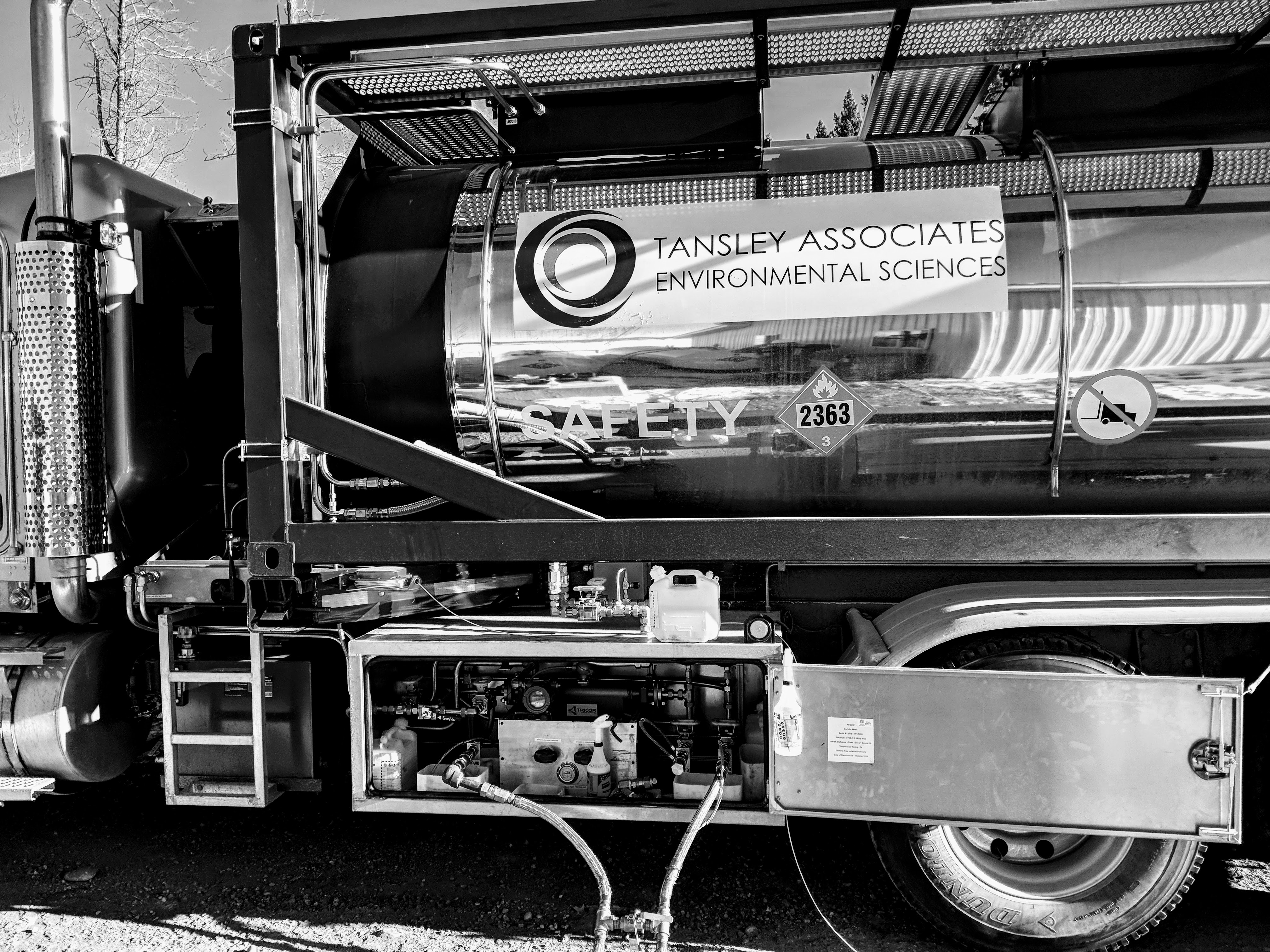
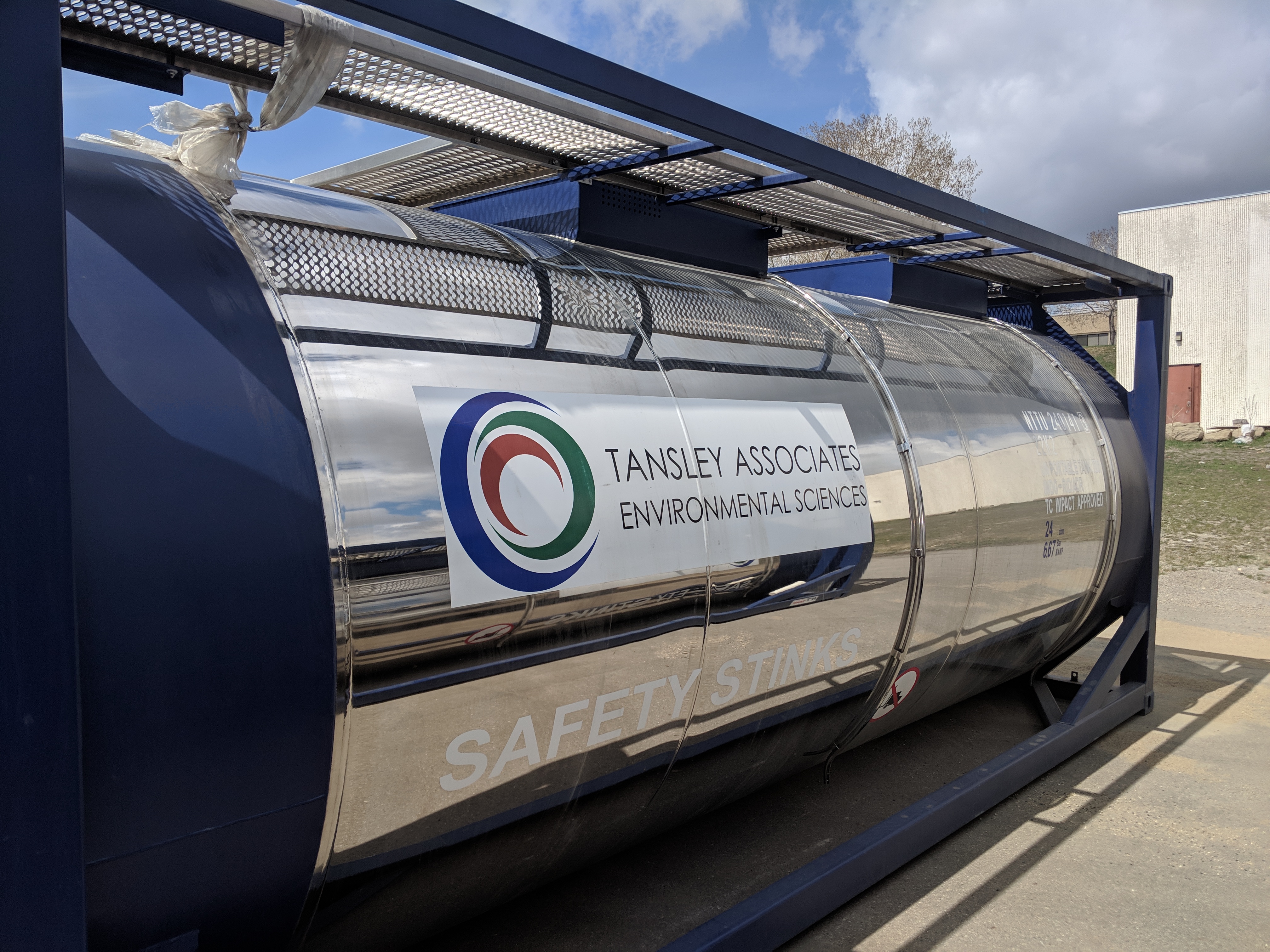
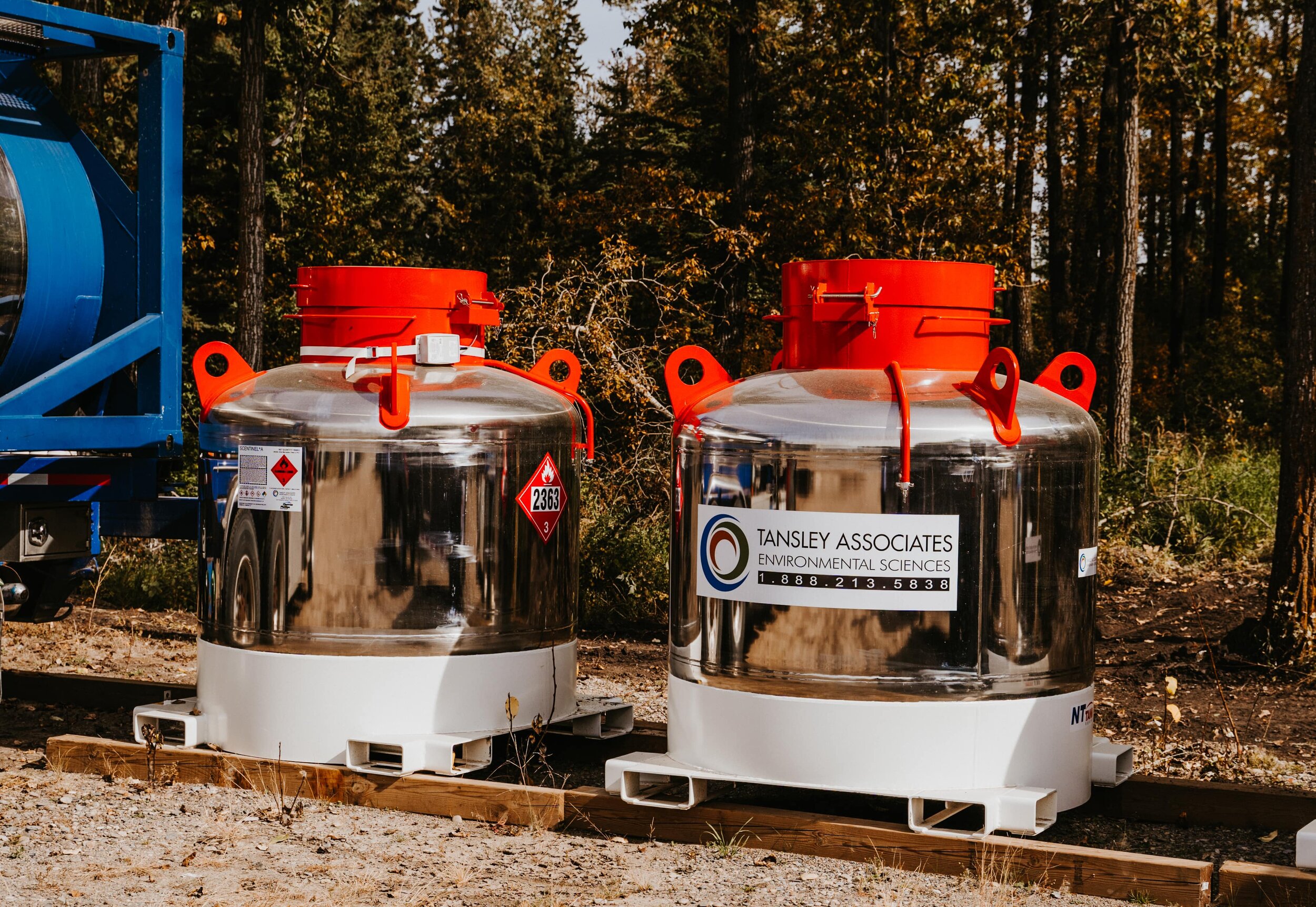
With Tansley’s ISO-built stainless steel vessels, that lifecycle starts differently. Vessels are delivered ready for service, fully verified, properly finished, and prepared for safe odorant storage from day one. In a leasing model, vessels are also removed, serviced, and replaced as part of a structured program, eliminating the need for end-of-life decommissioning altogether, which can save your organization money and time.
By removing the need for decommissioning, organizations can avoid one of the most significant lifecycle costs associated with odorant storage. Instead of managing disposal, compliance and unexpected expenses, the focus shifts to maintaining continuity through predictable service cycles such as the 4-year maintenance program.
Specification and Procurement
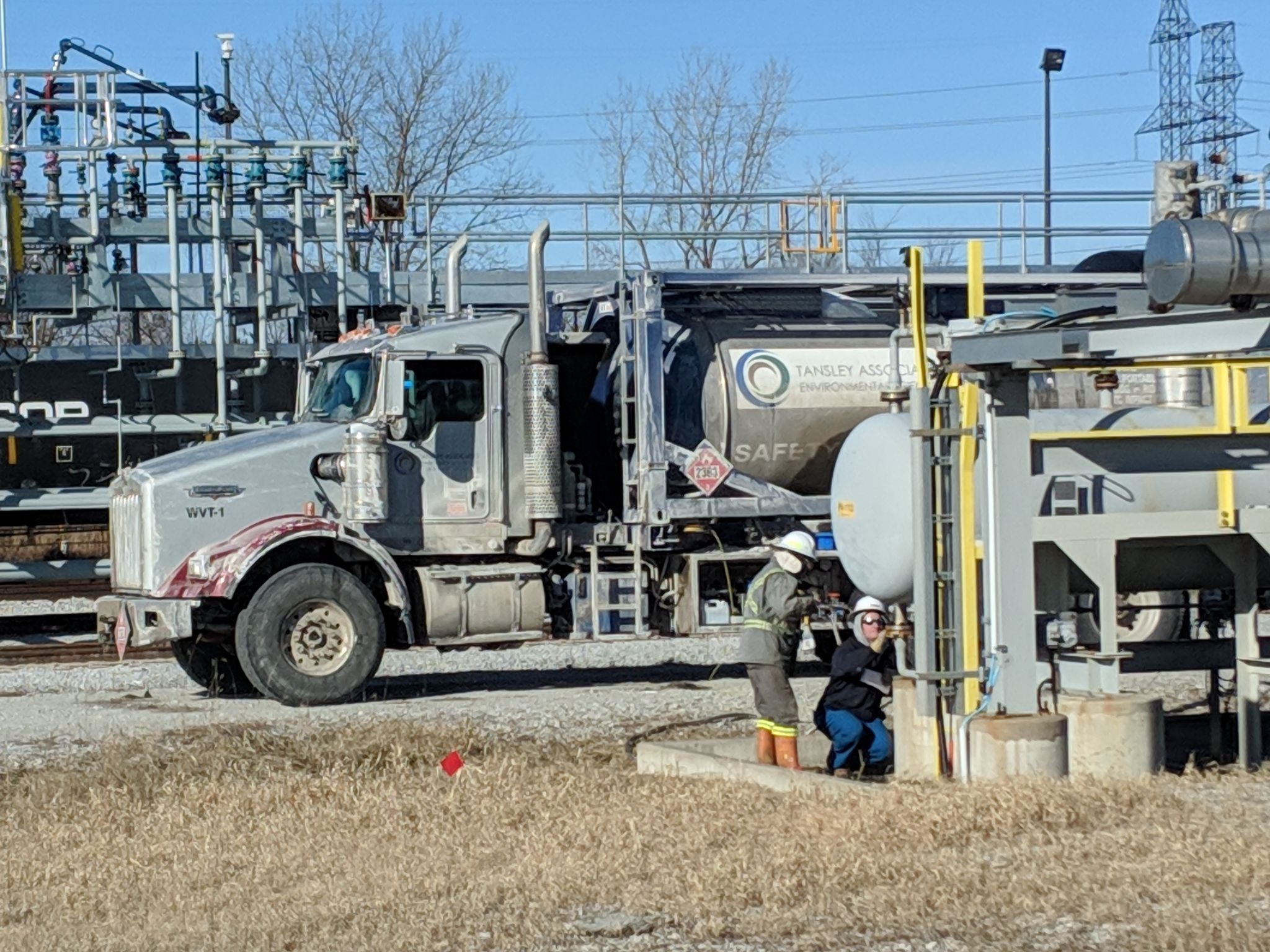
Lifecycle management begins at specification, but with Tansley, much of that work is already standardized. Material selection, surface finish, pressure ratings, and certification requirements are built into the vessel design, reducing variability before fabrication even begins.
A well-defined specification reduces variability and ensures that vessels meet operational requirements from the start.
Manufacturing and Certification
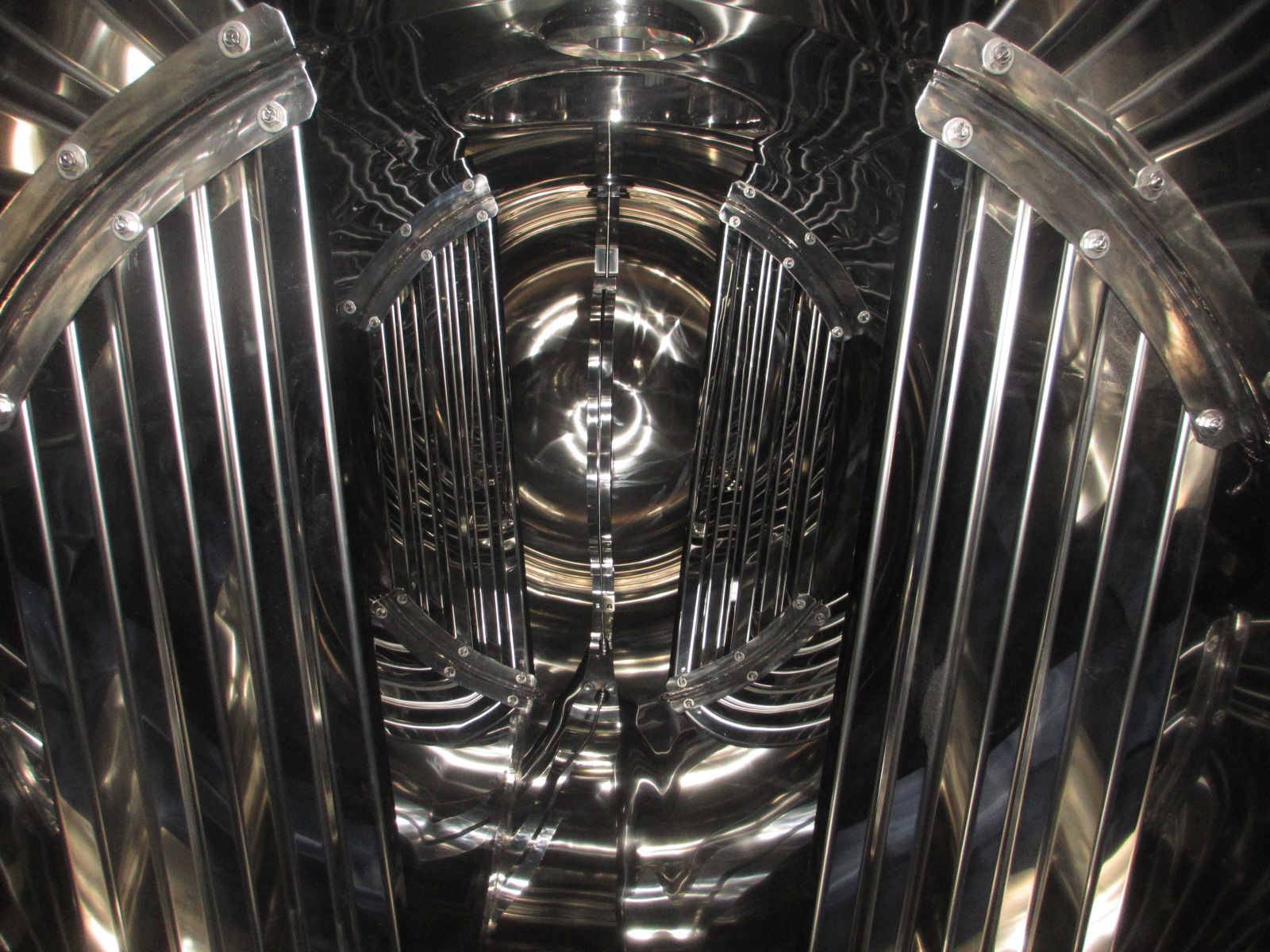
During fabrication, ISO standards guide quality control and documentation, but performance is defined by how those standards are executed. Tansley vessels incorporate verified weld procedures, internal surface finishing, and third-party inspection to ensure consistency before entering service.
Installation and Commissioning
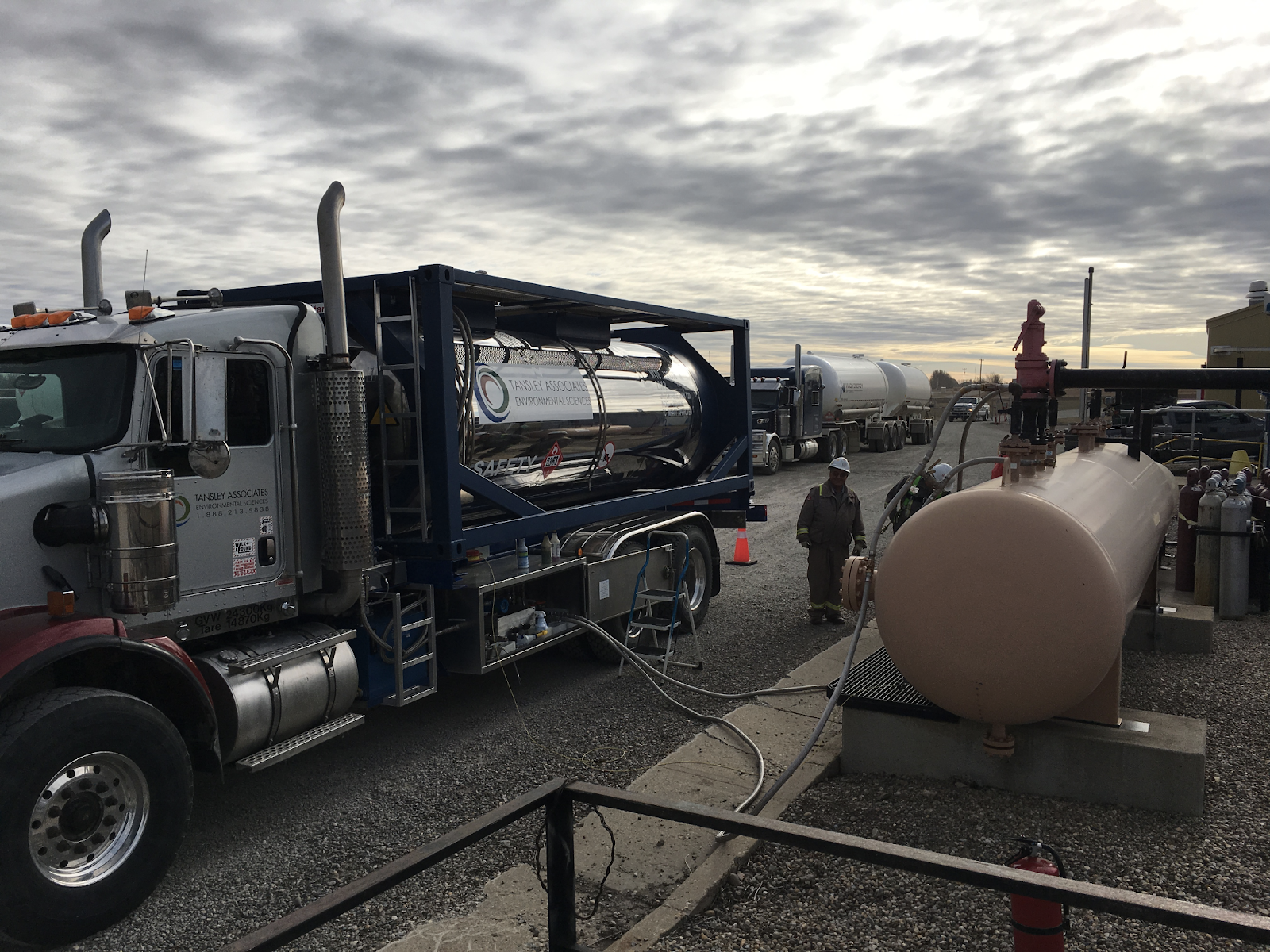
Because Tansley vessels are delivered ready for service, installation is simplified. Integration focuses on system connection and verification, rather than preparation or rework. This reduces commissioning time and removes uncertainty at startup.
Maintenance and Inspection
Ongoing lifecycle management includes scheduled inspections, component checks, and maintenance planning.
The odorant vessel maintenance cycle, including the 4-year inspection interval, ensures that structural integrity and internal conditions are maintained over time.
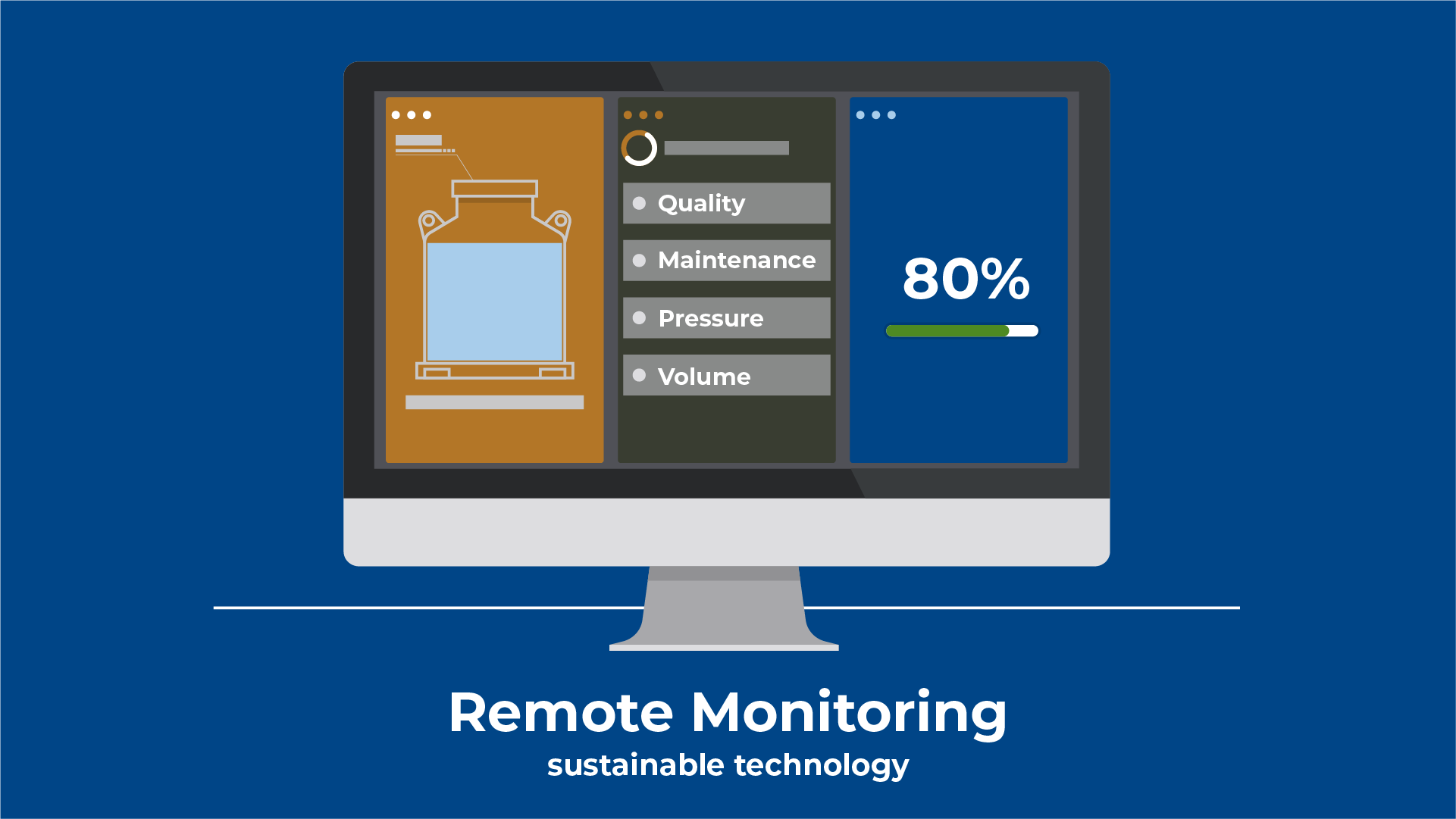
Monitoring systems provide real-time visibility, while scheduled inspections confirm physical condition.
Leasing and Lifecycle Optimization
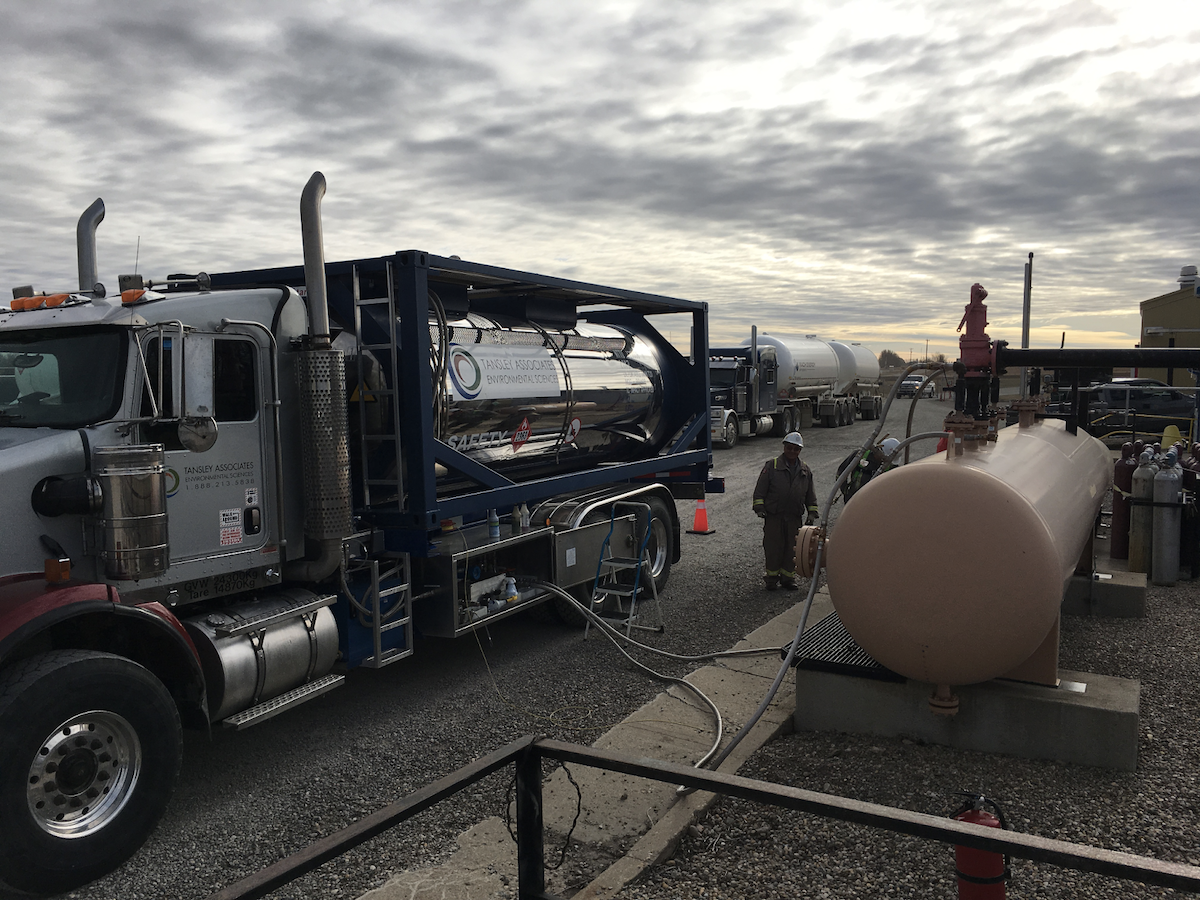
Many organizations are incorporating leasing models to simplify lifecycle management. Leasing allows for scheduled vessel exchange, built-in maintenance cycles, and updated equipment integration.
This approach supports long-term planning and reduces capital burden.
Decommissioning and End-of-Life Management
At the end of service life, vessels must be properly decommissioned. This includes controlled odorant removal, drying, sealing, transport preparation, deodorization, and certification of destruction.
Handling this stage correctly ensures compliance and protects operational reputation.
Integration with Modern Odorant Systems
Modern odorant infrastructure increasingly includes remote monitoring and data tracking.
Tansley’s AI vessel systems integrate lifecycle management with real-time performance visibility. Learn more about these systems on our AI vessels page.
Lifecycle management defines the process. Monitoring enhances control within that process.
Managing Odorant Vessels as a Complete Lifecycle
With Tansley’s approach, odorant vessels are not managed as isolated assets. They are delivered, maintained, and cycled through service as part of a structured system. Each stage, from specification through decommissioning, is aligned to maintain performance, compliance, and continuity.
When lifecycle management is structured and proactive, organizations benefit from improved reliability, better compliance, and more predictable operations.
If you are evaluating how your organization manages odorant vessel assets, now is the time to take a more structured approach. Explore our odorant services to support your vessel lifecycle from specification through maintenance and decommissioning, or contact Tansley Associates Environmental Sciences to discuss your system technology.
If you have any odorant concerns or questions, we would be pleased to talk to you. Call 403.569.8566



.JPG)

