

AI-Enabled Odorant Storage Pressure Vessels: Remote Monitoring and Predictive Maintenance
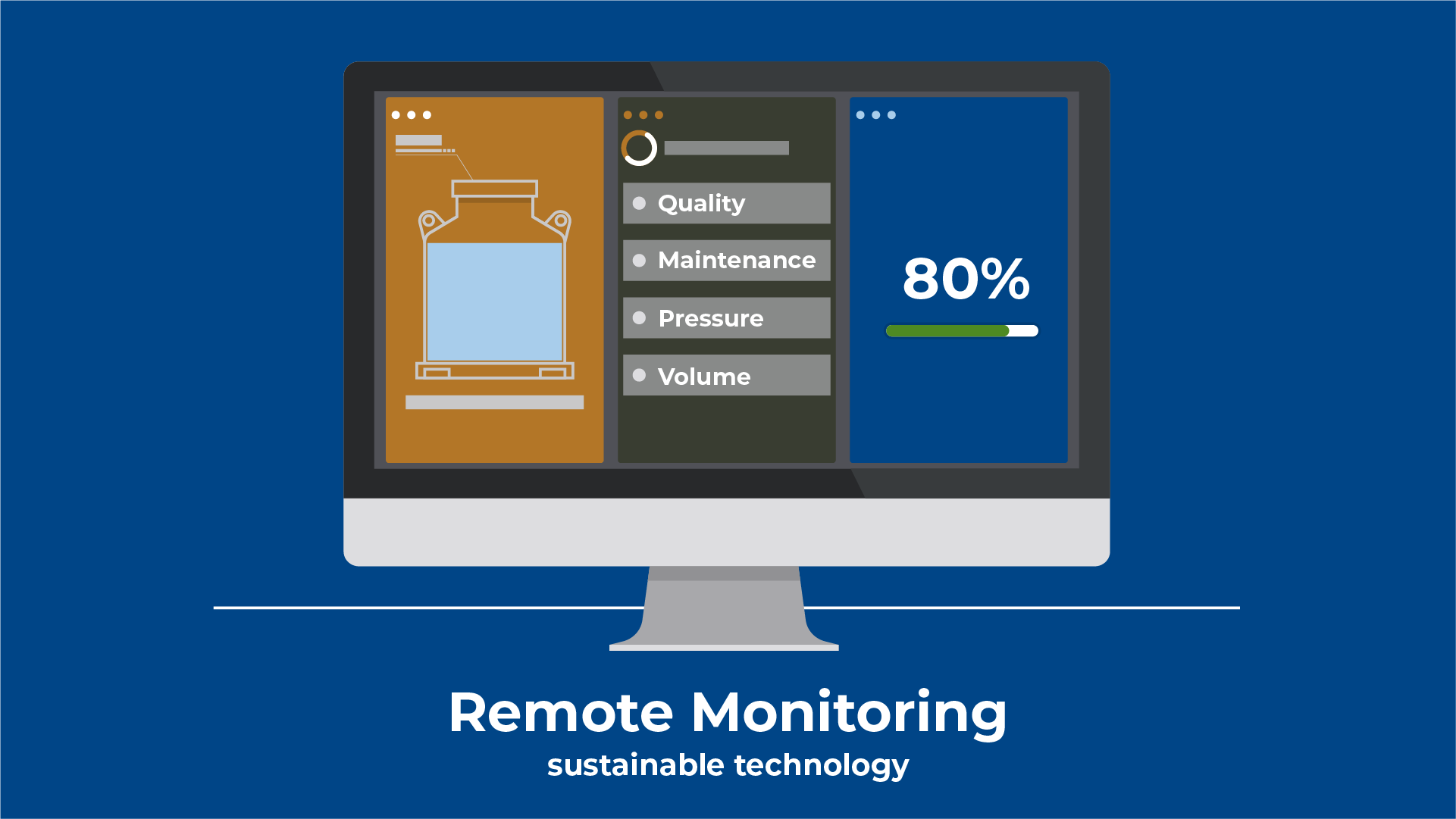
AI-Enabled Odorant Storage Pressure Vessels: Remote Monitoring and Predictive Maintenance
For decades, odorant vessel management relied on a straightforward approach: monitor odorant levels, schedule site visits, perform maintenance as needed, and refill vessels when supplies ran low.
While this model has served the industry well, it often depends on manual oversight, frequent site activity, and reacting to changing conditions after they occur.
Today, AI-enabled odorant storage pressure vessels are changing that approach. By combining remote monitoring, predictive analysis, and a structured vessel exchange program, utilities can gain greater visibility into their odorant supply while reducing operational complexity.
See How AI-Enabled Odorant Vessels Work
Watch the video below to see how remote monitoring, vessel exchange, and predictive analysis work together to simplify odorant supply management.
The Problem with "Check It When You Can"
Many odorization programs still rely on periodic site visits to confirm vessel levels, review operating conditions, and determine when service may be required.
The challenge is that conditions can change between inspections. Consumption rates fluctuate, operational demands shift, and equipment performance can vary over time.
For organizations managing multiple sites, maintaining consistent visibility becomes increasingly difficult. Operators are often left making decisions based on periodic snapshots rather than continuous information.
Modern utilities need a more proactive way to manage odorant supply.
What "AI-Enabled" Means on Tansley Vessels
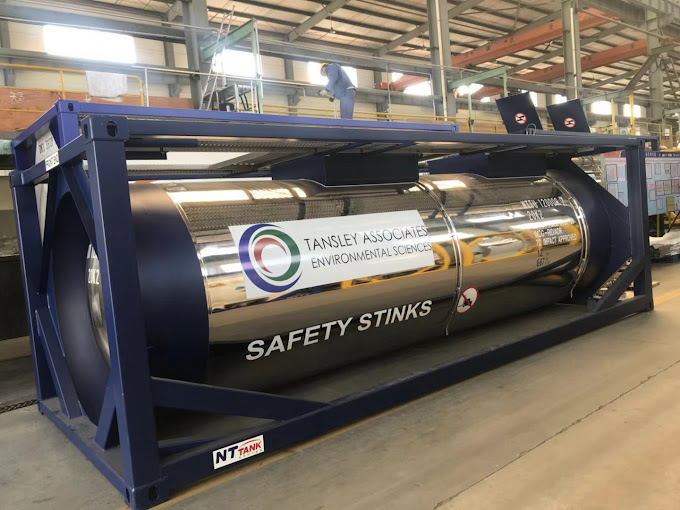
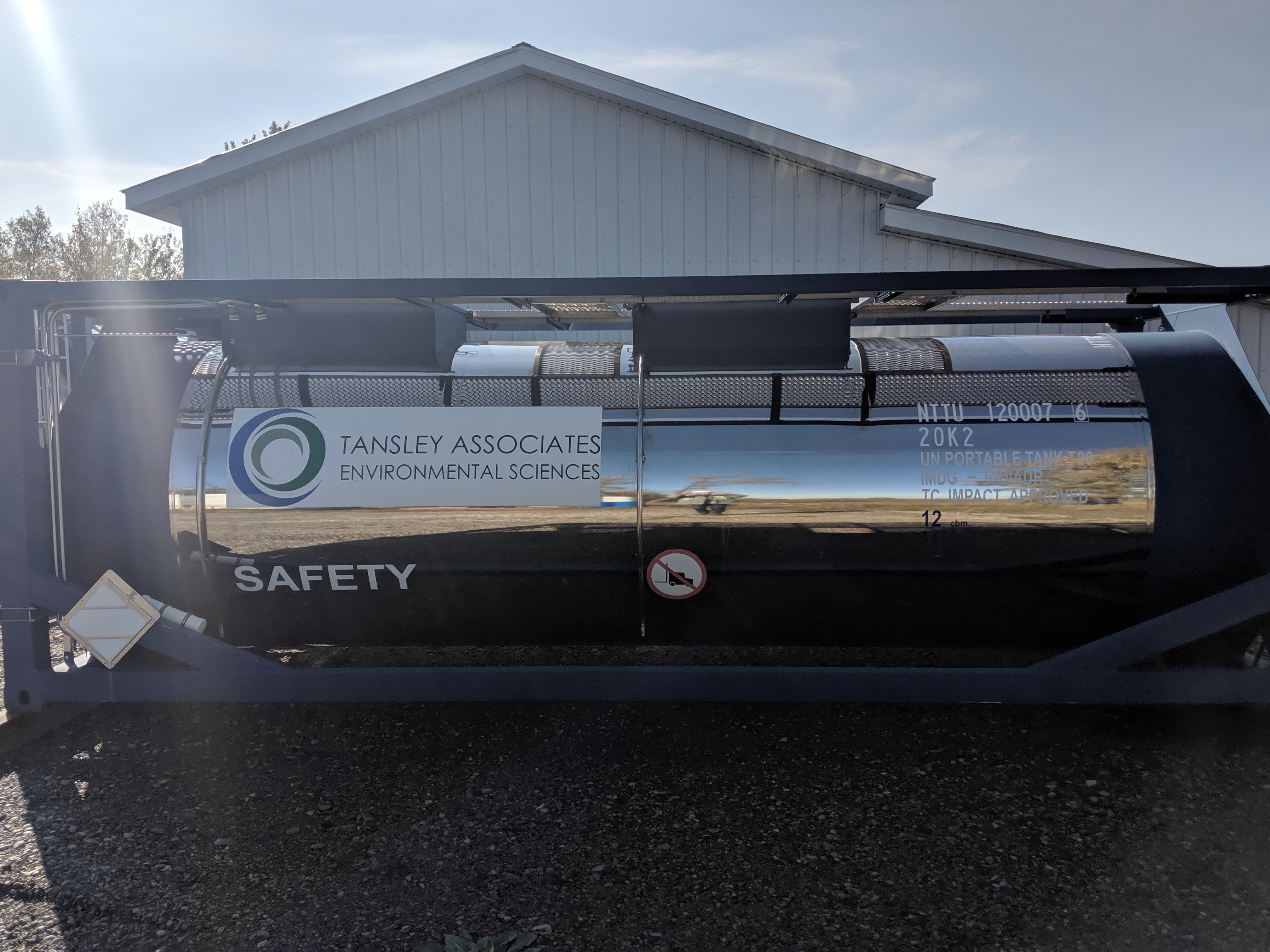
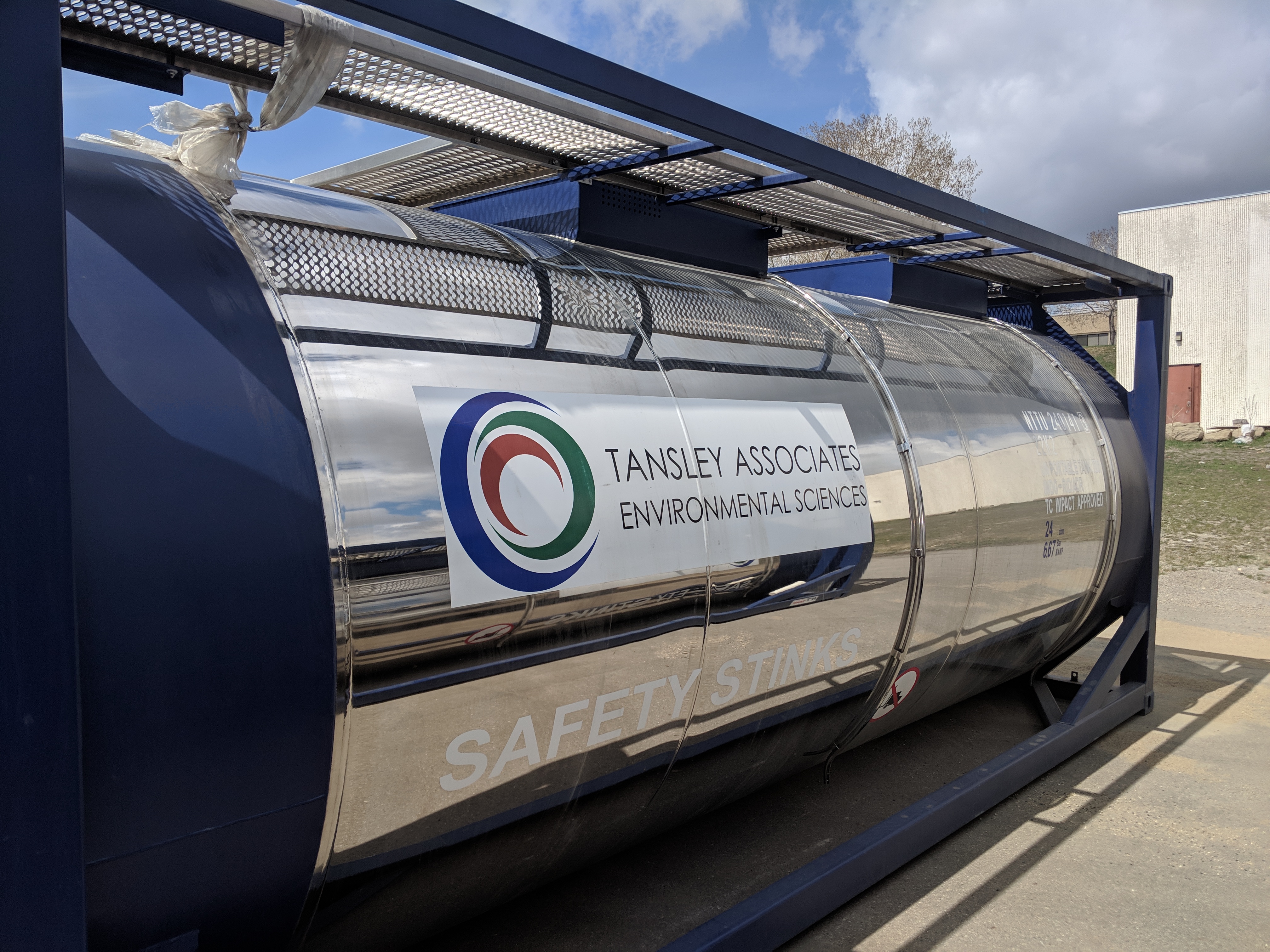
AI-enabled odorant storage pressure vessels combine stainless steel vessel technology with remote monitoring and data analysis.
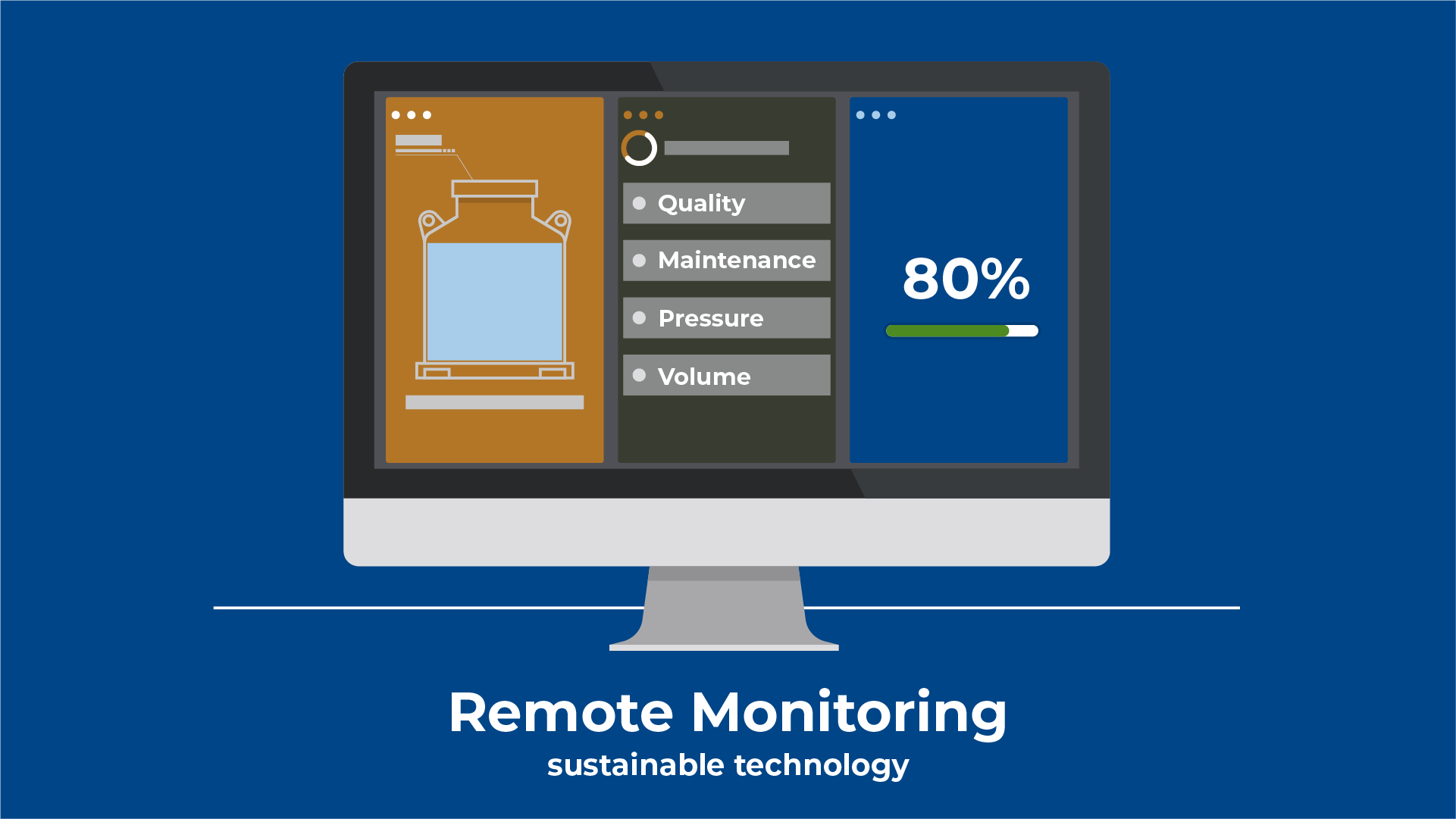
Rather than relying solely on manual inspections, operators gain ongoing visibility into:
- Odorant levels
- Consumption trends
- Usage rates
- Historical operating data
- Vessel performance indicators
This information is monitored remotely, allowing operators to make more informed decisions about odorant supply and maintenance planning.
However, the technology is only part of the story.
Beyond Monitoring: A Different Approach to Odorant Supply
Traditional odorant programs often rely on filling vessels onsite and maintaining equipment in the field.
AI-enabled odorant storage pressure vessels introduce a different model.
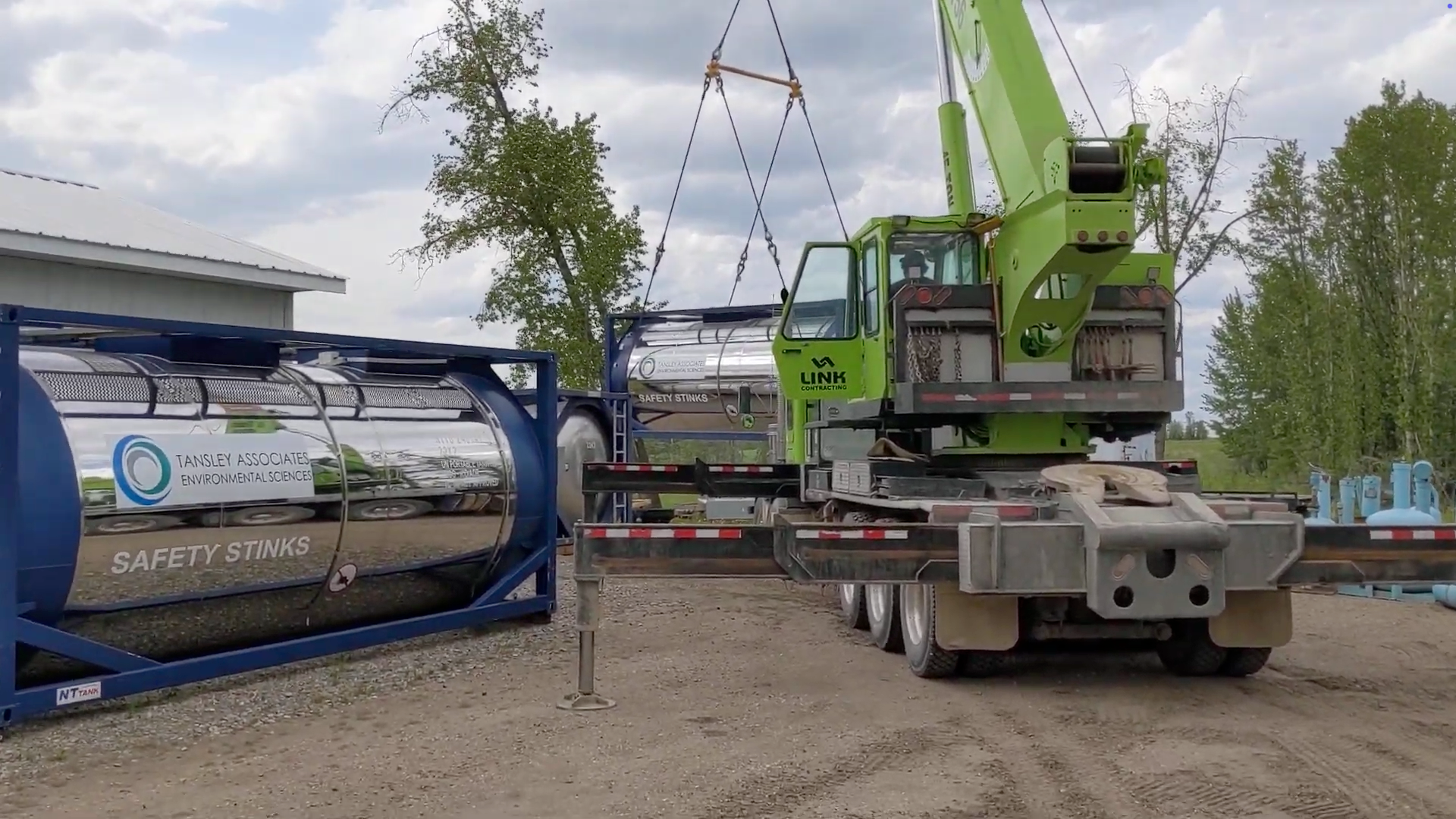
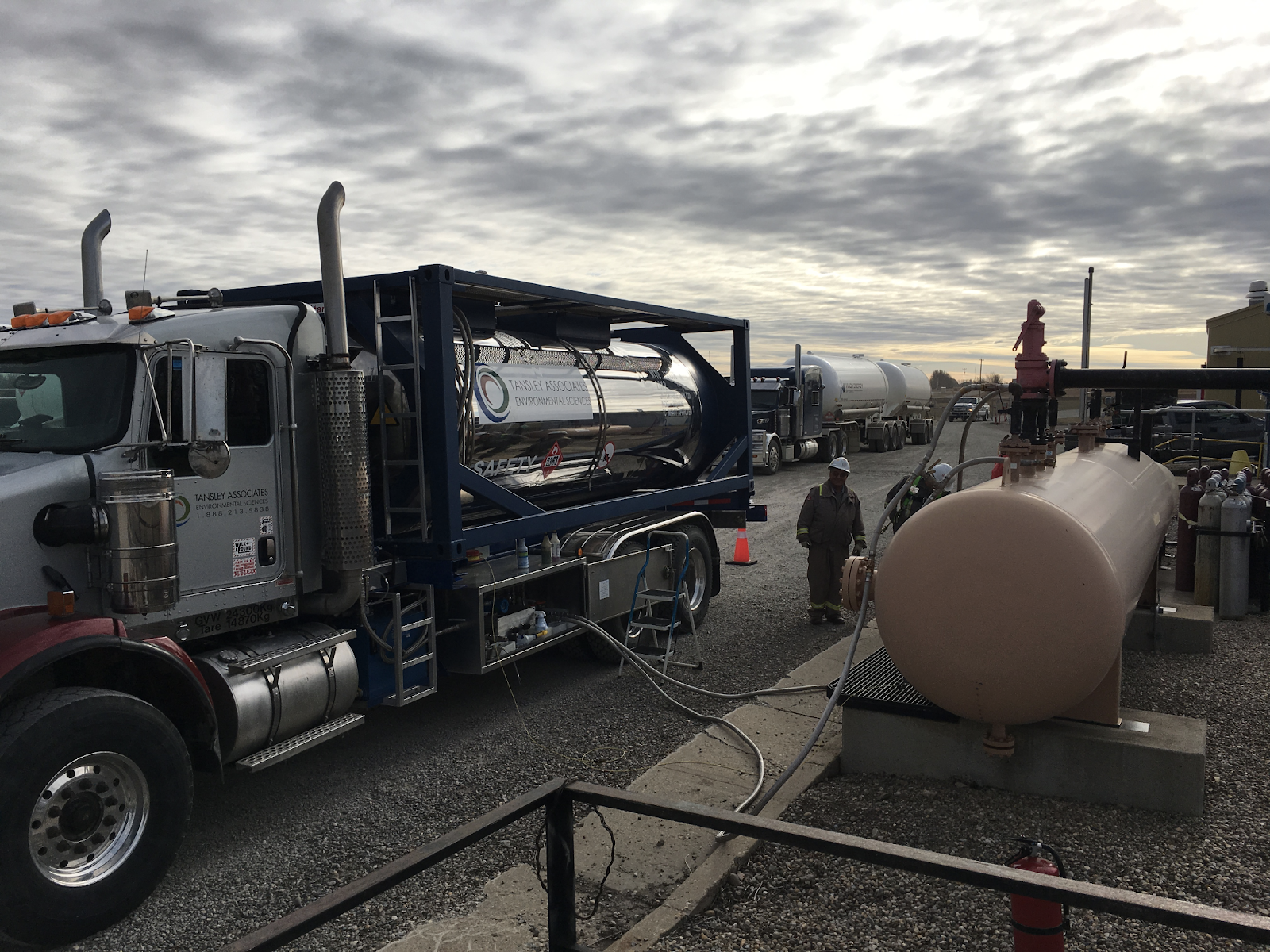
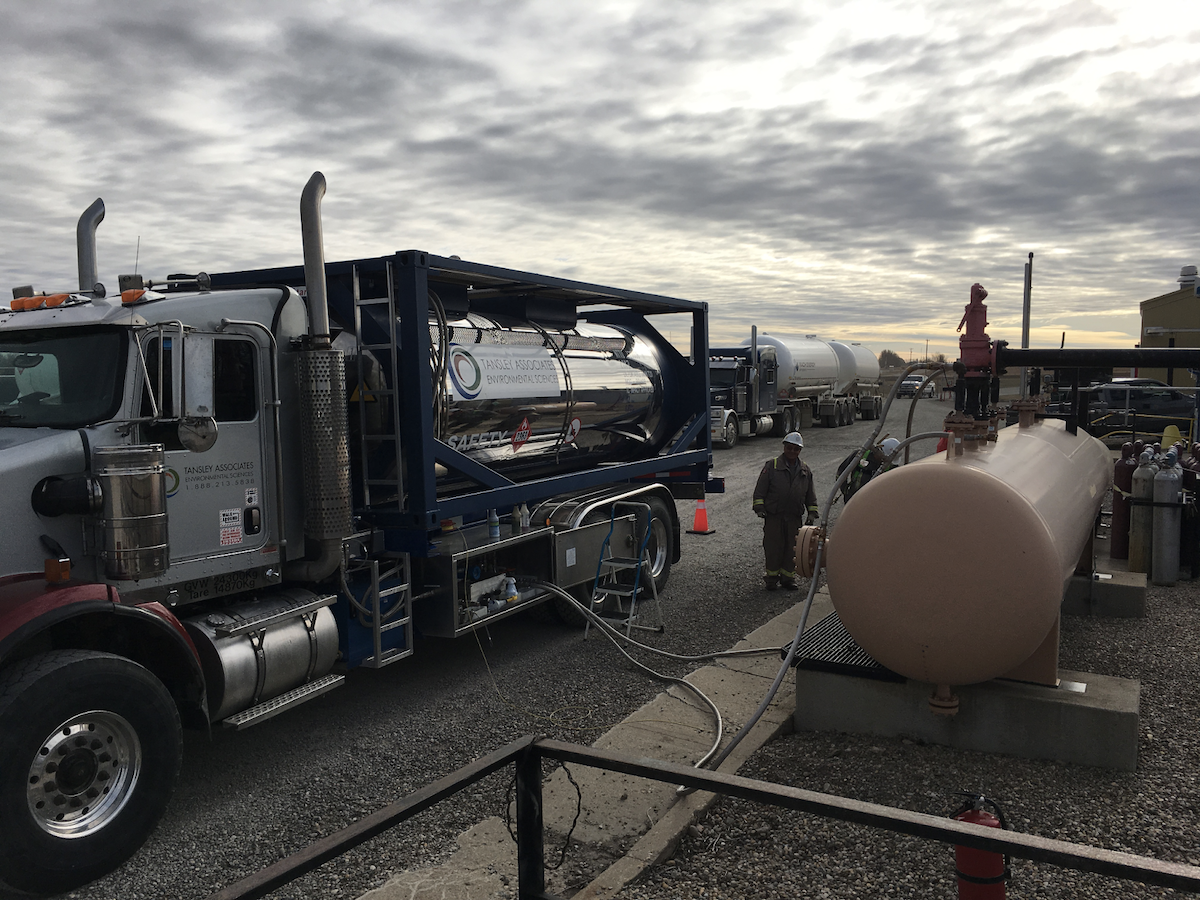
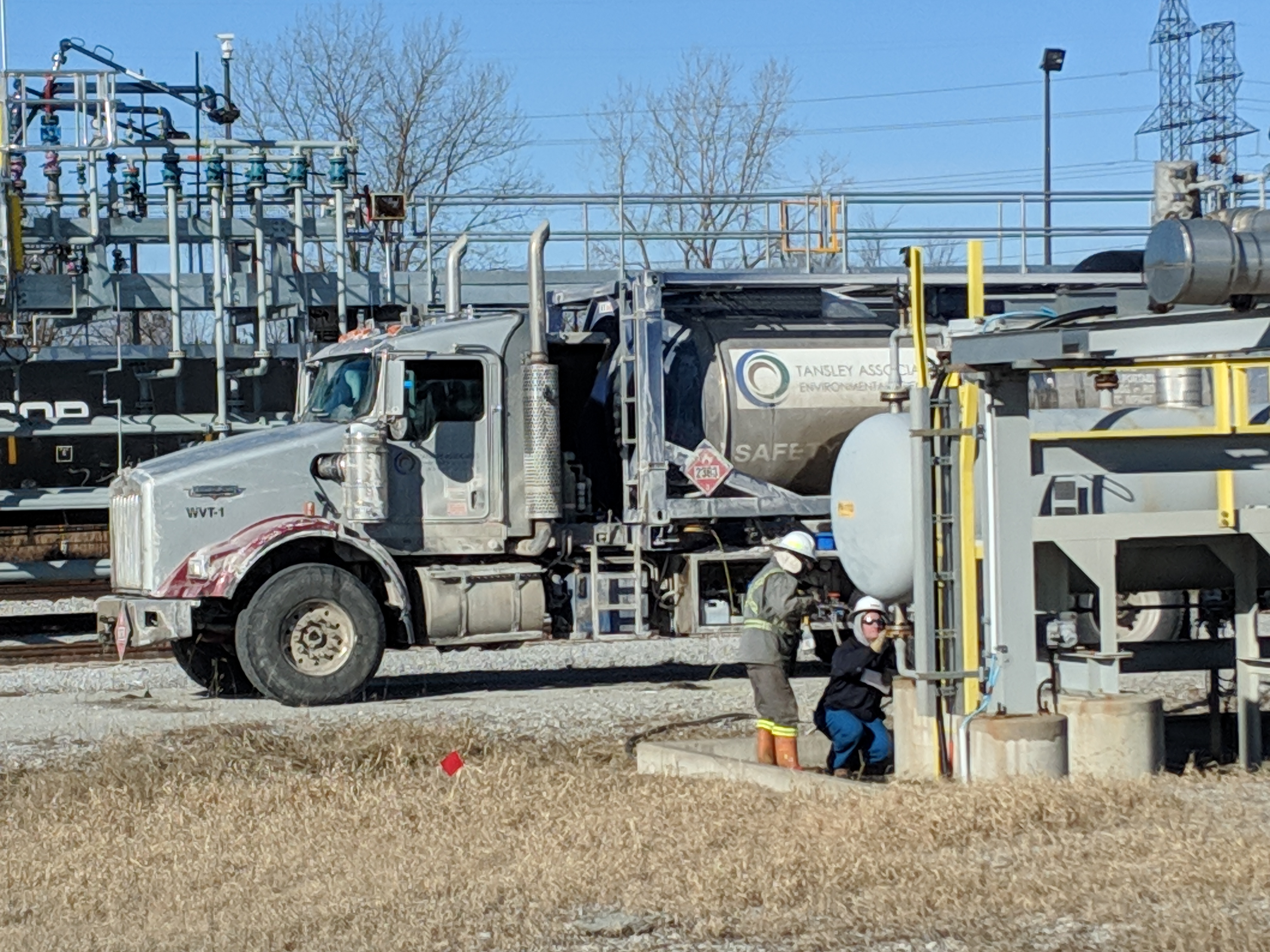
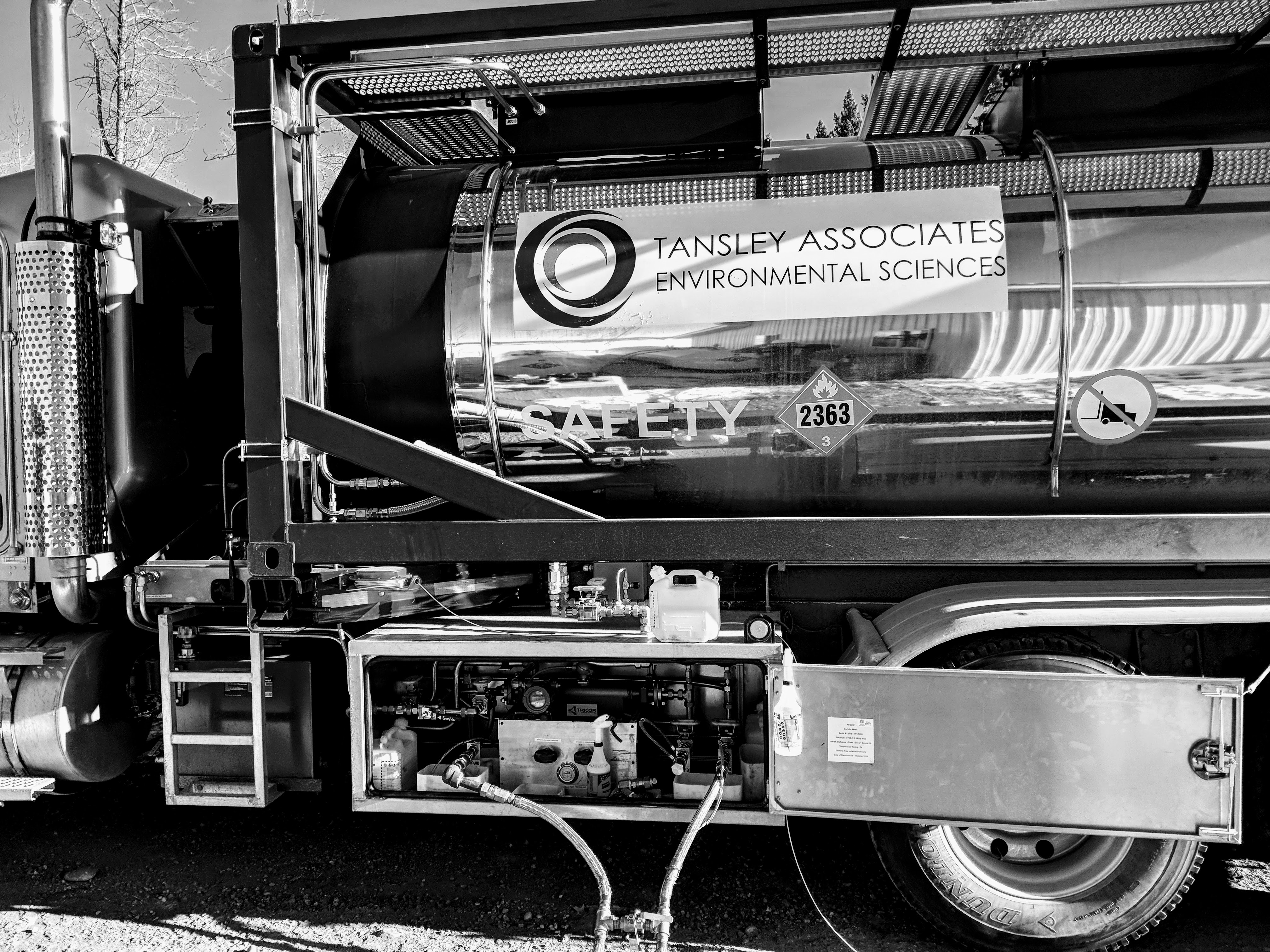
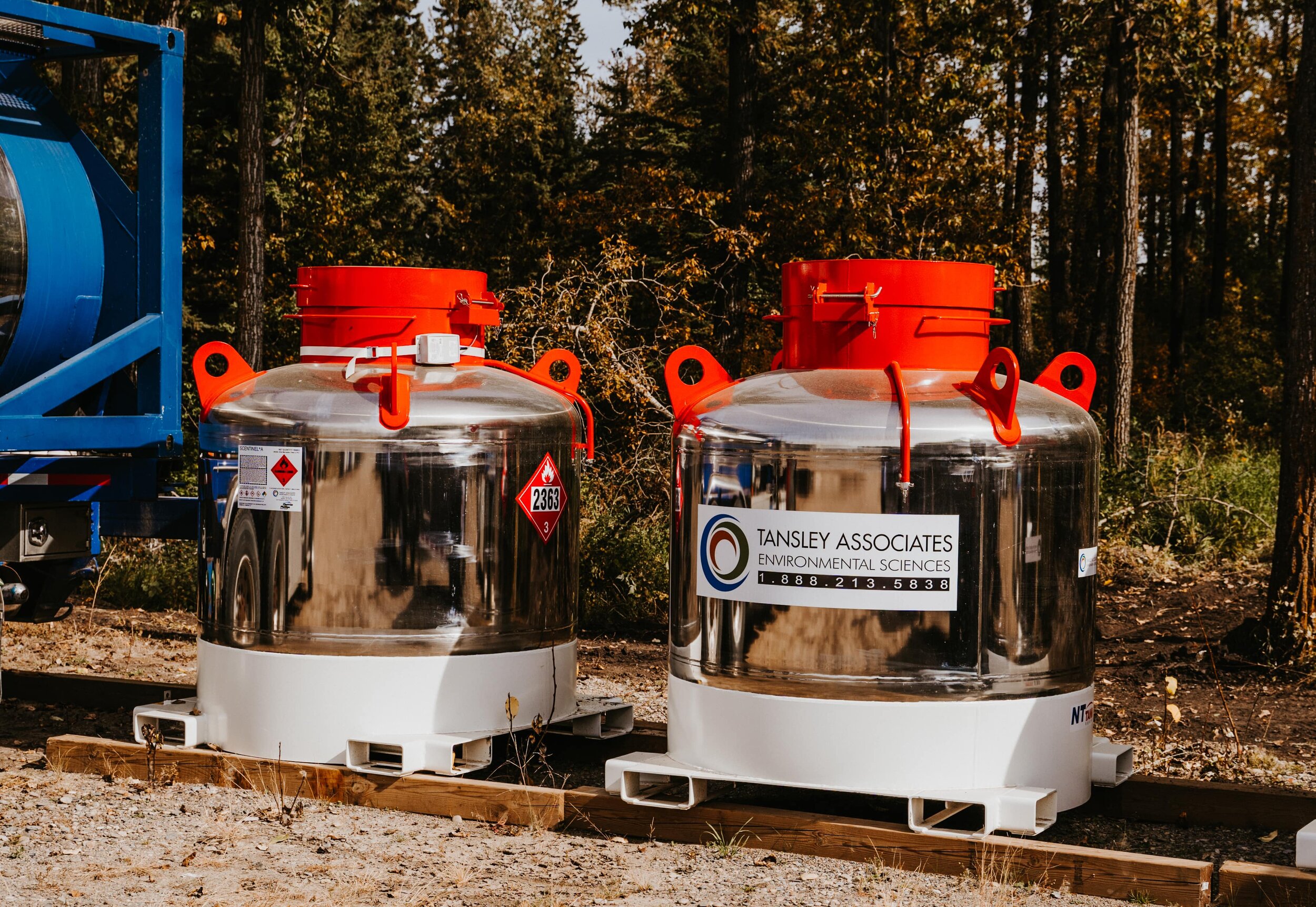
Instead of repeatedly filling vessels onsite, vessels are sized to match utility requirements and exchanged through a structured service program. As system demands change, utilities can adjust vessel capacity to support evolving usage patterns while reducing delivery frequency and site activity. When service is required, Tansley delivers a cleaned, recertified, and refilled vessel to the site, then removes the existing vessel and transports it back to its facility for maintenance, drying verification, quality assurance checks, refilling, and technology upgrades before it is prepared for its next service cycle.
This approach is attracting attention across the industry. As Mark Tansley notes:
"Several large North American utilities are evaluating vessel exchange models to reduce delivery complexity and onsite handling requirements."
This approach helps maintain consistency while reducing field activities and simplifying long-term vessel management. It also creates opportunities to incorporate technology upgrades during scheduled vessel exchanges rather than requiring separate retrofit projects in the field.
It also aligns with a broader lifecycle strategy that includes vessel inspections, maintenance planning, and eventual replacement.
Predictive Maintenance Outcomes Utilities Care About
Predictive maintenance is often discussed as a technology feature, but operators care most about the operational outcomes.
The goal is not simply collecting more data. The goal is reducing uncertainty.
Fewer Emergency Refills
Remote monitoring provides continuous visibility into odorant levels and usage trends.
Instead of waiting for manual inspections or unexpected supply issues, operators can anticipate refill requirements and plan accordingly.
This reduces emergency service activity and helps maintain continuity of supply.
Predictable Vessel Exchange Planning
AI analysis helps identify when vessel exchanges should occur based on operating conditions and usage patterns.
Rather than relying on fixed schedules or reactive decision-making, operators can take a more proactive approach to managing odorant supply.
This creates greater predictability and reduces operational disruption.
Stronger Compliance Documentation
Modern odorization programs require documentation and traceability.
AI-enabled systems provide operating data that supports maintenance planning, compliance programs, and lifecycle documentation.
When combined with structured programs such as the 4-year maintenance cycle, operators gain a more complete picture of vessel performance throughout its service life.
Earlier Integrity Warnings
Small changes in system behavior often appear before larger problems develop.
Remote monitoring can help identify unusual trends, allowing operators to investigate and address concerns earlier.
This supports better planning and more efficient maintenance scheduling.
Reduced Odorant Fading Risk
Monitoring technology does not replace controls such as a Certificate of Dryness or a properly maintained vessel interior finish.
However, it provides additional visibility into operating conditions that may affect odorant performance.
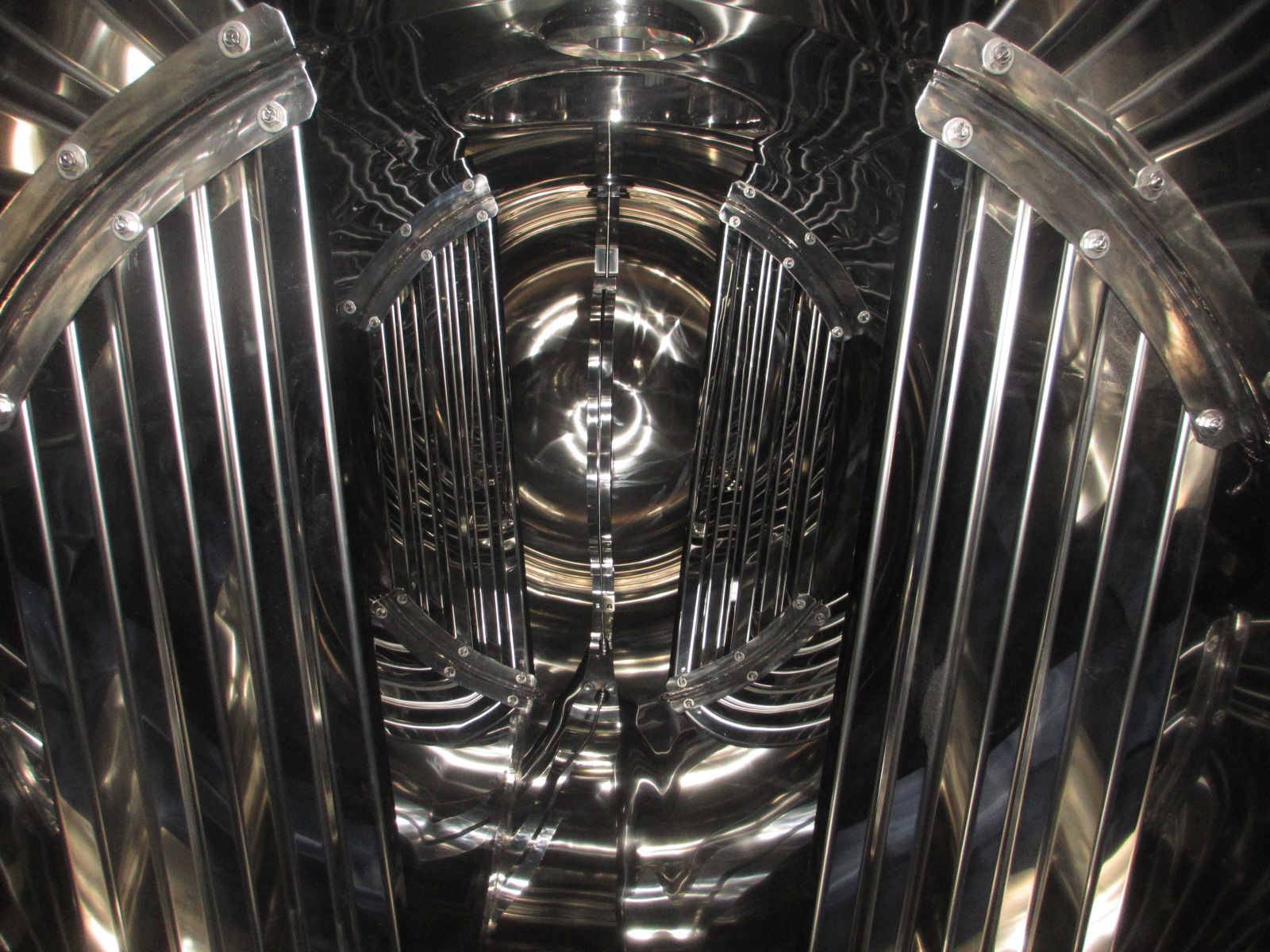
Combined with proper vessel preparation, verified drying procedures, and a 0.2-micron mirror polish interior finish, monitoring becomes another layer of protection for odorant integrity.
Reduced Site Activity and Operational Risk
One of the most practical advantages of AI-enabled odorant storage pressure vessels is the ability to reduce activities at the site.
Depending on application requirements, vessels can be supplied with up to four years of odorant capacity.
Larger vessel capacities can reduce delivery frequency, resulting in fewer filling operations, less maintenance activity, and fewer opportunities for liquid spills or vapour releases.
For utilities focused on safety and operational efficiency, reducing unnecessary site activity creates measurable benefits.
Specifying a Smart Odorant Vessel Program
When evaluating an AI-enabled odorant storage pressure vessel program, operators should look beyond the monitoring hardware itself.
The most effective programs combine:
- Remote monitoring
- Stainless steel vessel construction
- Certified fabrication and inspection
- Scheduled maintenance cycles
- Vessel exchange programs
- Lifecycle management support
Technology delivers the greatest value when it is integrated into a complete operational strategy.
Bringing Odorant Supply Into the Future
AI-enabled odorant storage pressure vessels represent more than a new monitoring technology. They represent a different way of managing odorant supply.
By combining remote visibility, predictive analysis, vessel exchange programs, and long-term lifecycle management, utilities can reduce operational complexity while improving continuity and planning.
If you are looking for ways to reduce delivery frequency, improve visibility, and simplify long-term odorant supply management, explore Tansley's AI vessel solutions or contact Tansley Associates Environmental Sciences to discuss your system requirements.
If you have any odorant concerns or questions, we would be pleased to talk to you. Call 403.569.8566



.JPG)

