

Odorant Vessel Decommissioning and Deodorization Considerations

Odorant is the extremely strong-smelling chemical added to natural gas and propane to give them their distinctive odor. That smell is not incidental. It is the primary safety mechanism that alerts the public to a gas or propane leak. In many ways, odorization is the number one safety initiative for both the natural gas and propane industries.
But what happens when an odorant vessel reaches the end of its lifecycle?
Industrial mercaptan vessel decommissioning is a highly specialized process. When a vessel has reached its operational limit or is being replaced, proper odorant vessel decommissioning must be handled with care, regulatory awareness, and experienced personnel.
Why Odorant Vessel Decommissioning Requires Expertise
The smell of mercaptan is powerful. It permeates storage vessels, piping, valves, and injection equipment. Even when a vessel is emptied, residual odor remains embedded within the metal and components.
That is why mercaptan vessel decommissioning cannot be treated like standard equipment removal.
Improper handling can result in odor releases that trigger emergency leak calls, public concern, and regulatory scrutiny. Even a small release during odorant vessel end of life handling can be mistaken for an active gas leak.
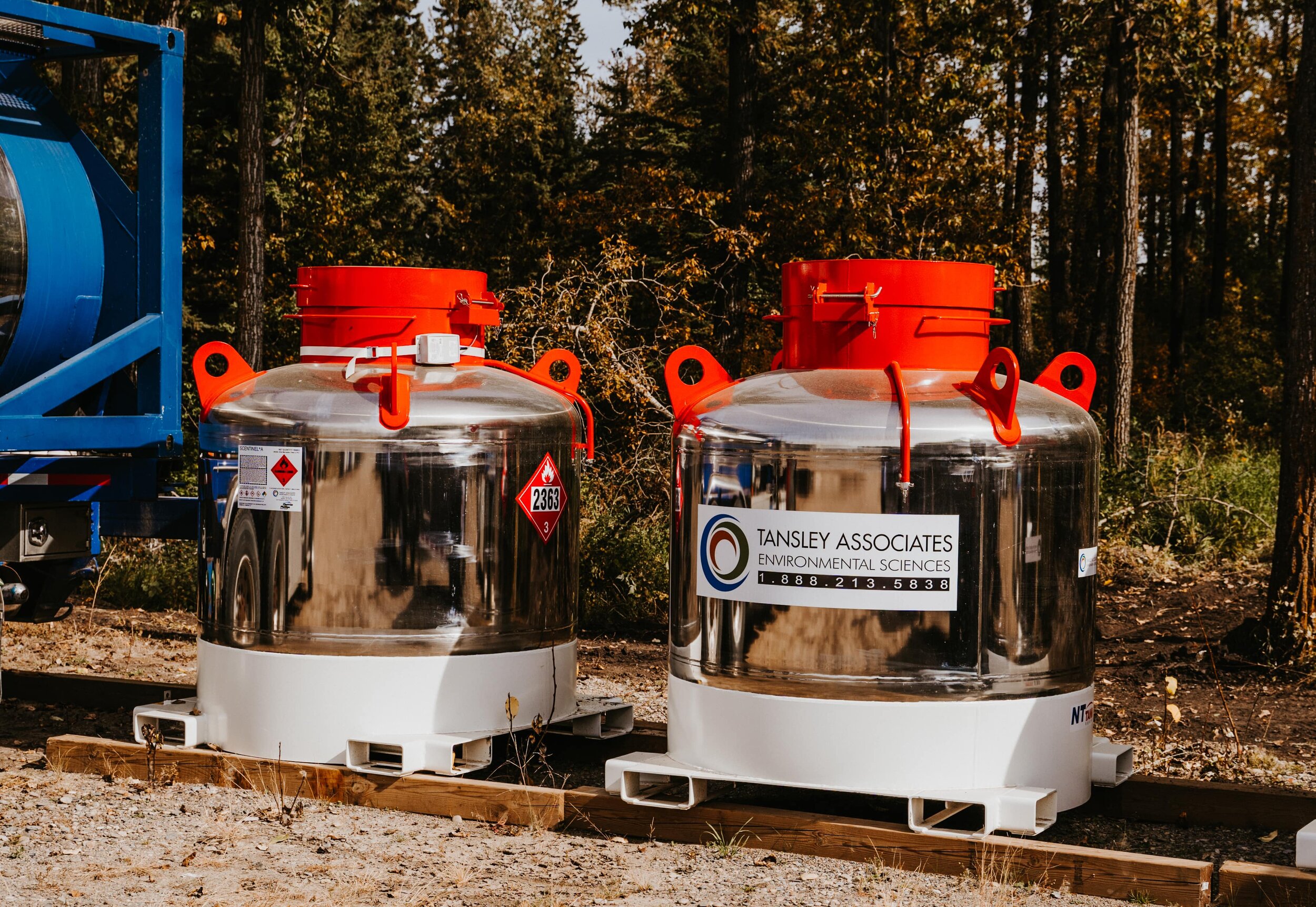
Proper techniques and trained personnel must be employed to safely decommission and deodorize odorant equipment and storage vessels.
Controlled Removal and Sealing Procedures
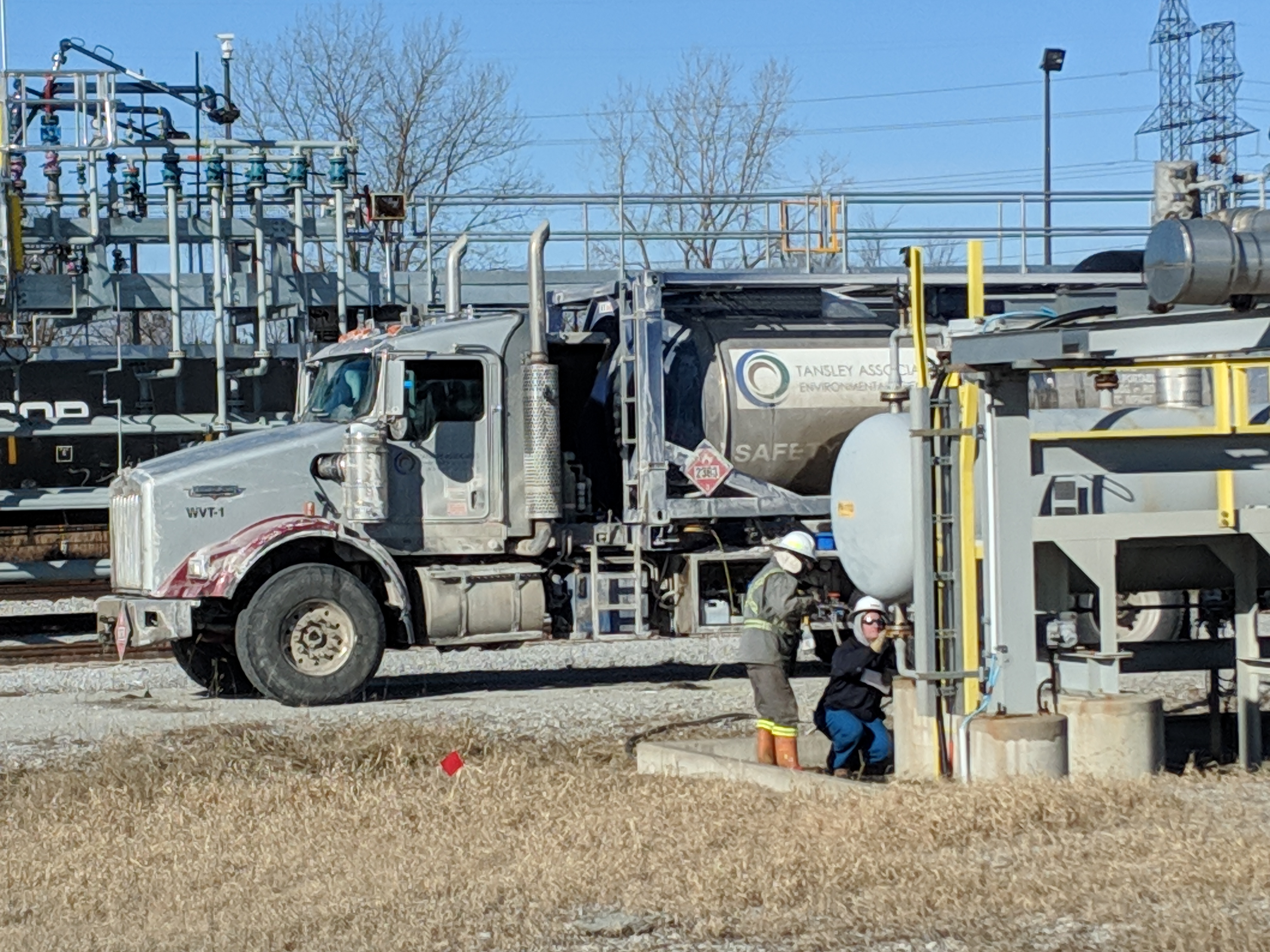
As part of odorant vessel decommissioning, the odorant must be removed under tightly controlled conditions to ensure no detectable odor is released into the surrounding environment.
The process includes:
- Controlled draining and purging
- Sealing all openings
- Safe removal of valves, tubing, piping, and accessories
- Ensuring odor-free handling throughout
If odor is released during industrial mercaptan vessel decommissioning, emergency services may receive leak calls, resulting in costly and unnecessary responses.
We once witnessed hundreds of leak calls coming in as someone else’s improperly decommissioned mercaptan vessel moved through a large metropolitan city on the back of a truck. That single oversight created confusion, public concern, and reputational risk.
Regulatory Deadlines and Compliance Considerations
In many jurisdictions, there are regulatory deadlines governing equipment replacement, inspection cycles, and end-of-life handling of pressurized odorant vessels.
When an odorant vessel reaches end of life, operators must consider:
- Transport regulations, including emptied, purged, and sealed requirements
- Documentation requirements
- Environmental compliance
- Proper certification of destruction
- Chain-of-custody during transport
Failure to follow proper odorant vessel end of life procedures can result in compliance issues and reputational damage.
Industrial mercaptan vessel decommissioning is not simply an operational task. It is a regulatory responsibility.
Preparing for Safe Transport
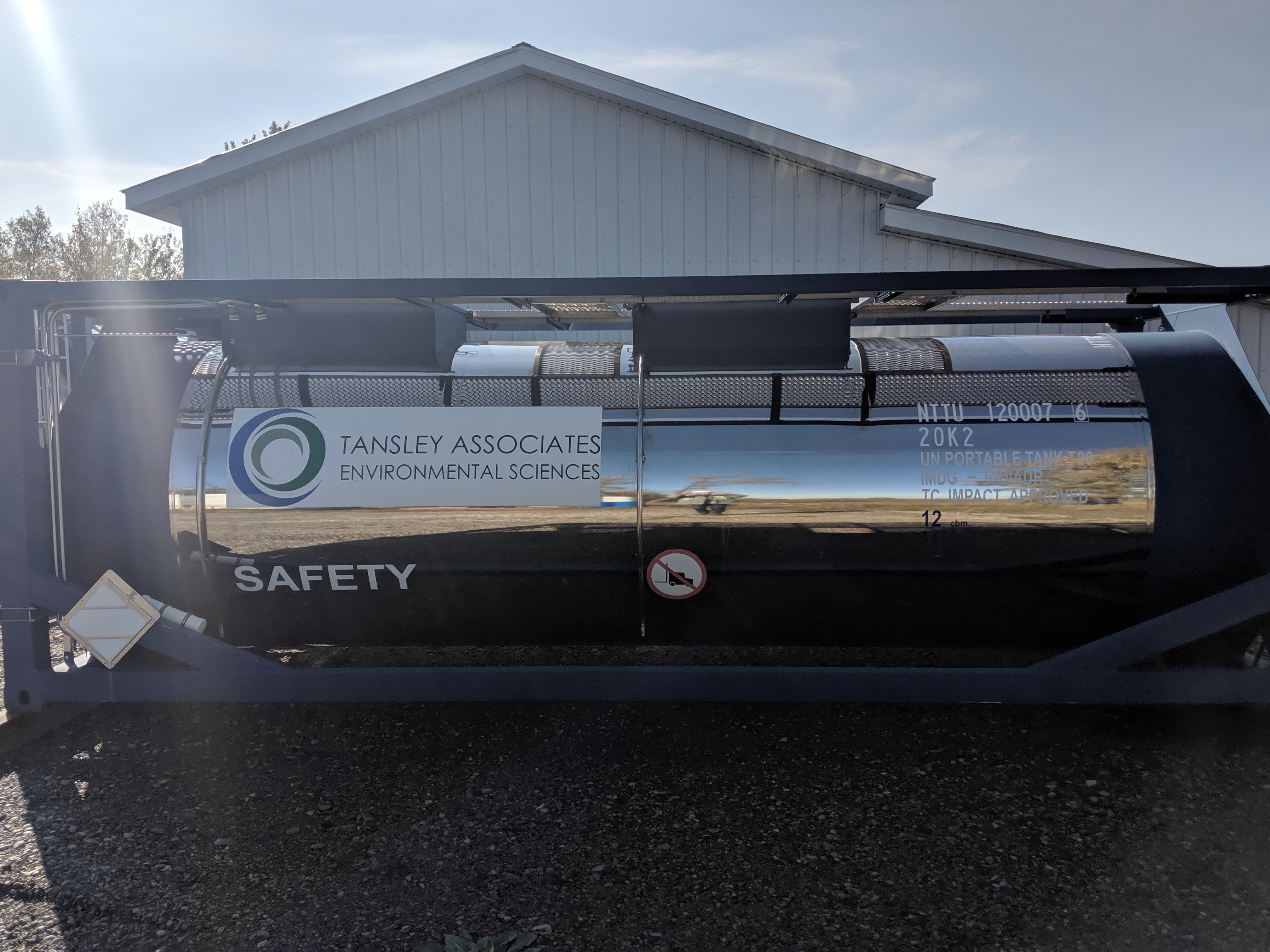
Once decommissioned, vessels must be prepared so they do not leak during transportation to a reputable deodorization facility.
This includes:
- Full emptying of residual mercaptan
- Purging with inert gas
- Sealing all openings
- Applying an inert gas blanket
- Ensuring transport compliance
This step is critical in odorant vessel decommissioning. Even trace residual odor during transport can lead to public alarm.
Professional Deodorization and Recycling
At a certified deodorization facility, the vessel must be fully deodorized prior to disposal or recycling.
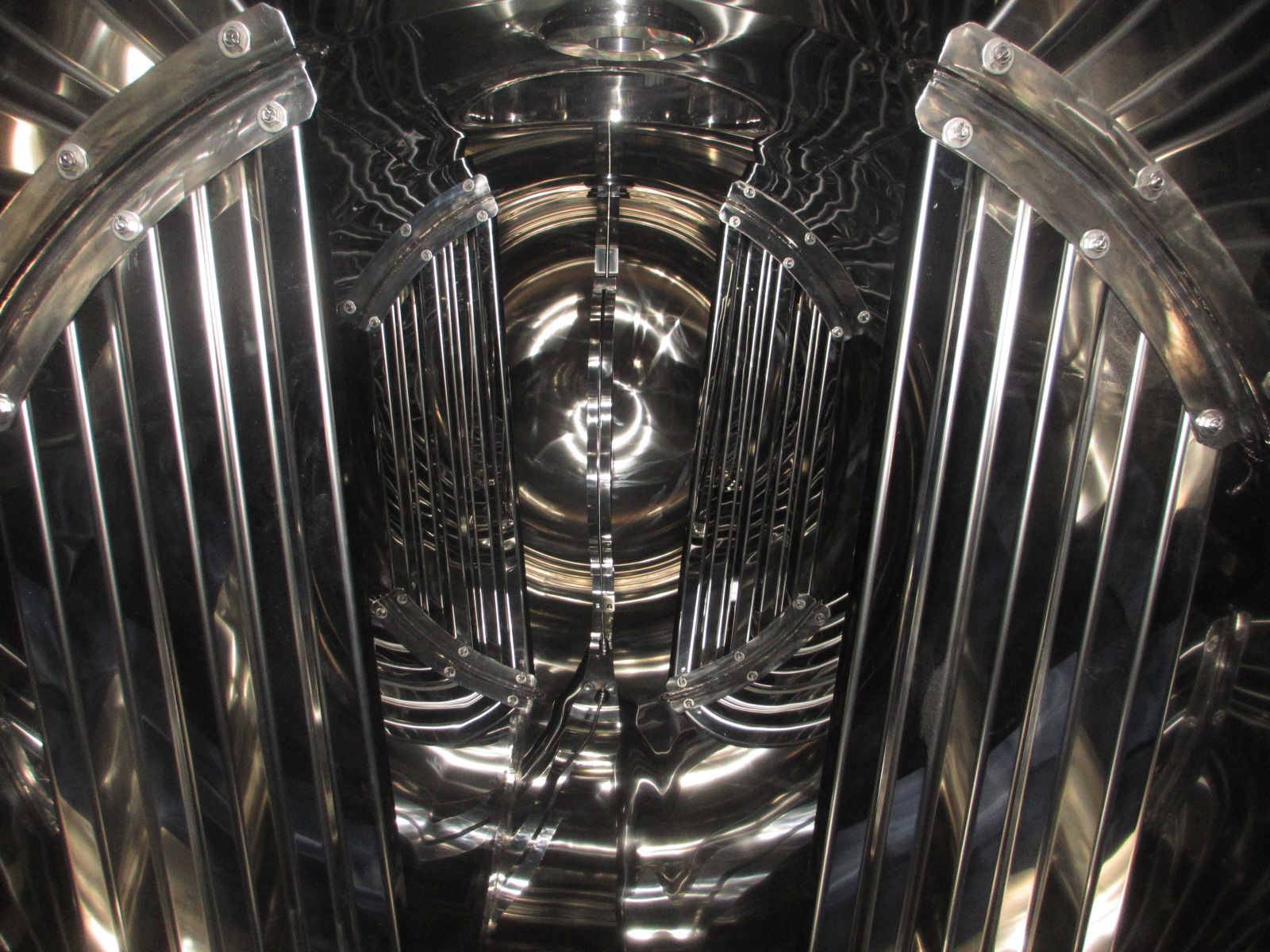
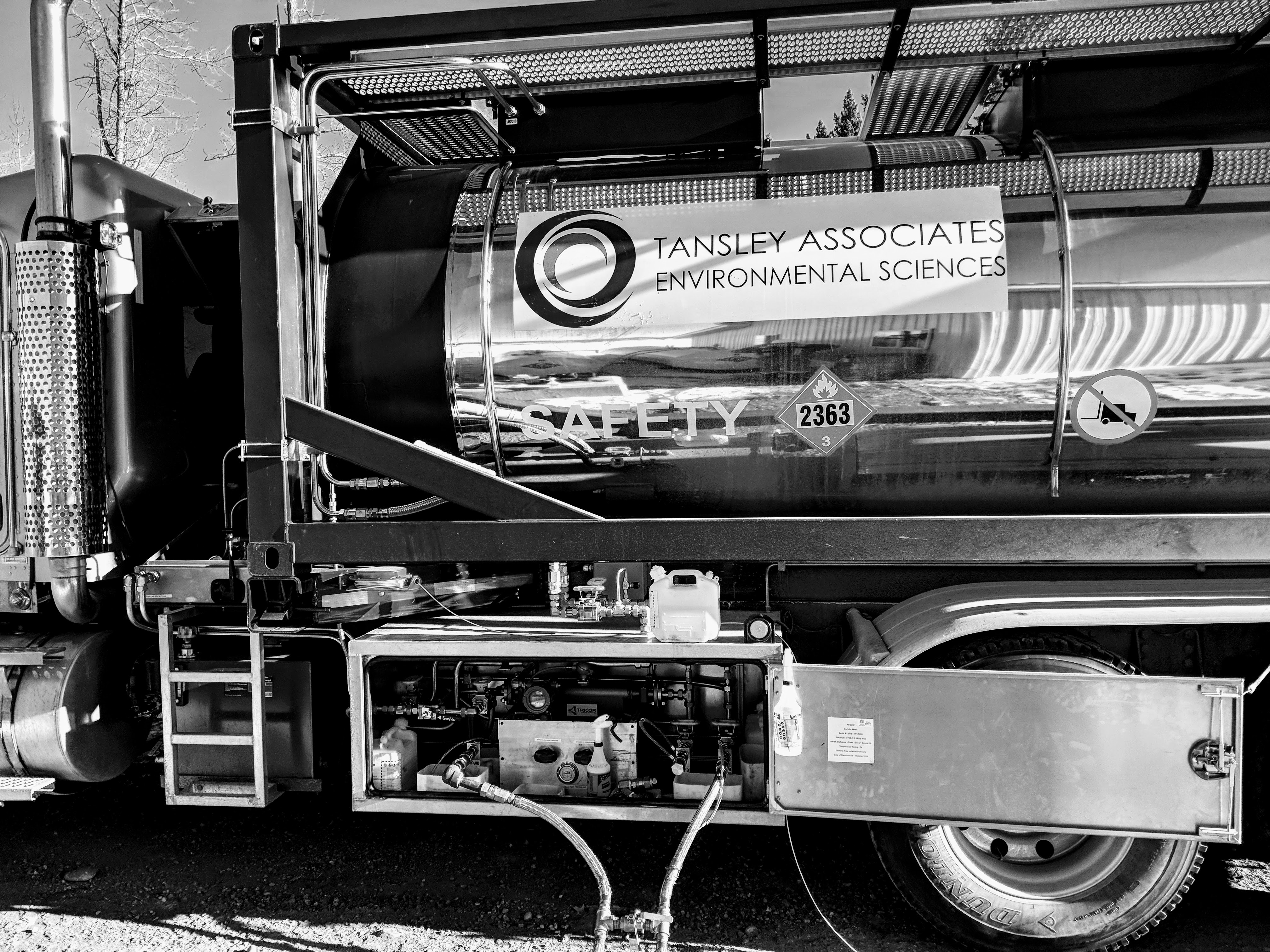
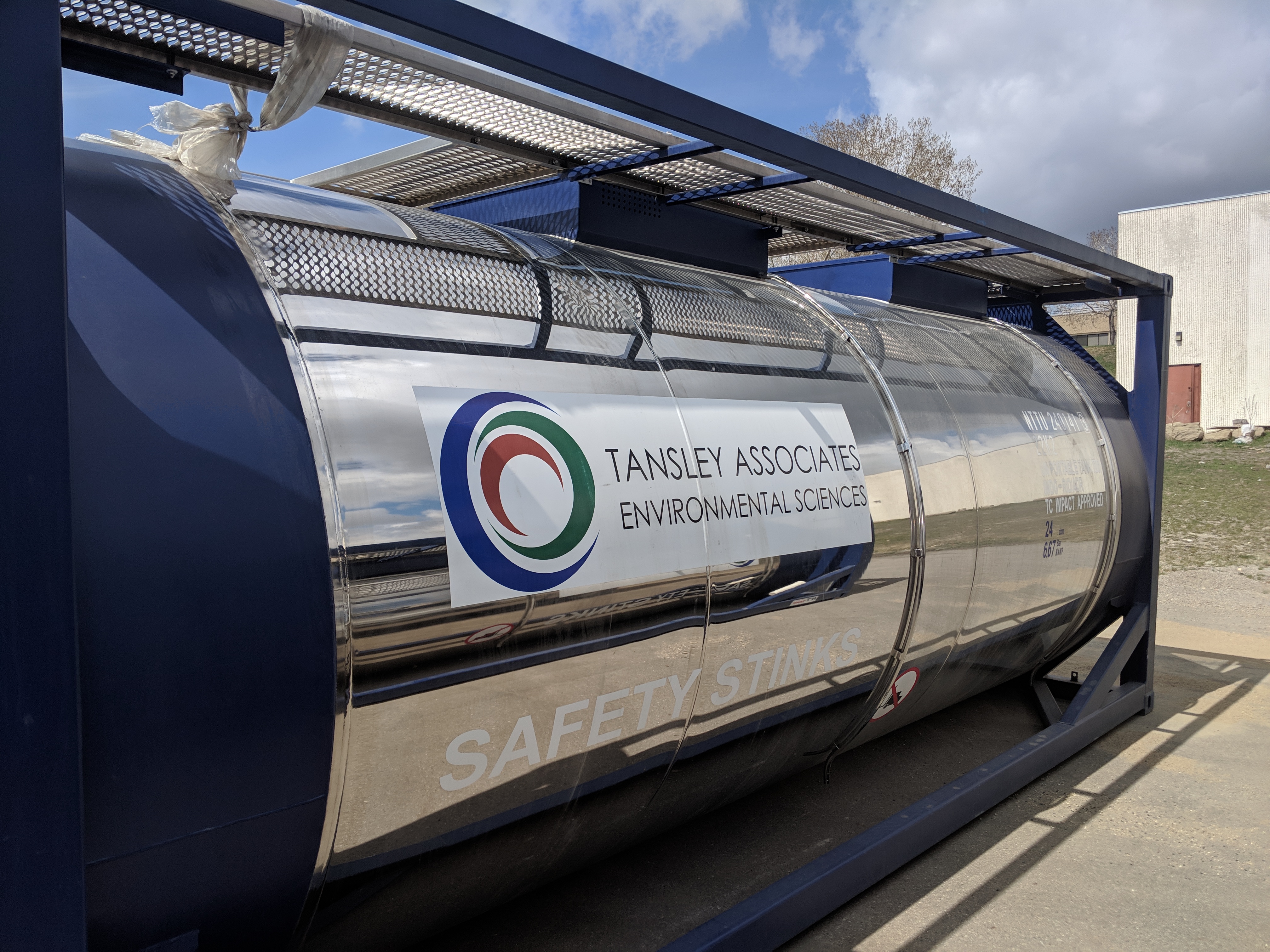
At the Tansley deodorization facility, we use an extremely safe, non-chemical method to deodorize odorant equipment and vessels. Once the equipment meets our stringent standards:
- The vessel is rendered permanently inoperable
- A hole is cut in the side to prevent reuse
- The steel is sent for recycling and often converted into rebar
- A certificate of destruction is issued
This documentation is a critical part of responsible mercaptan vessel decommissioning.
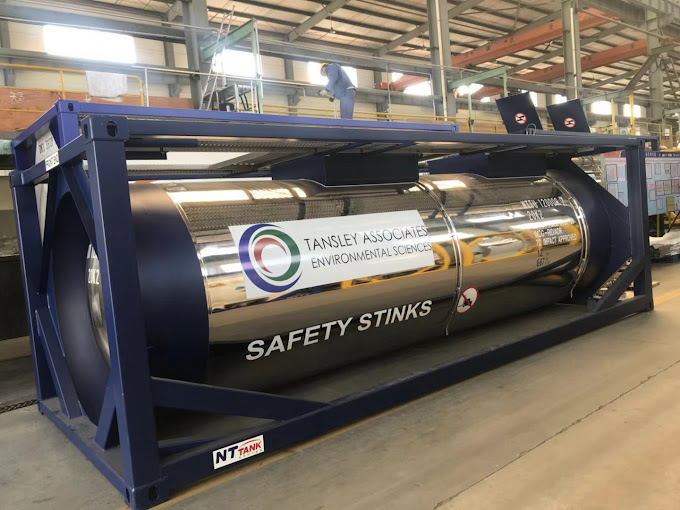
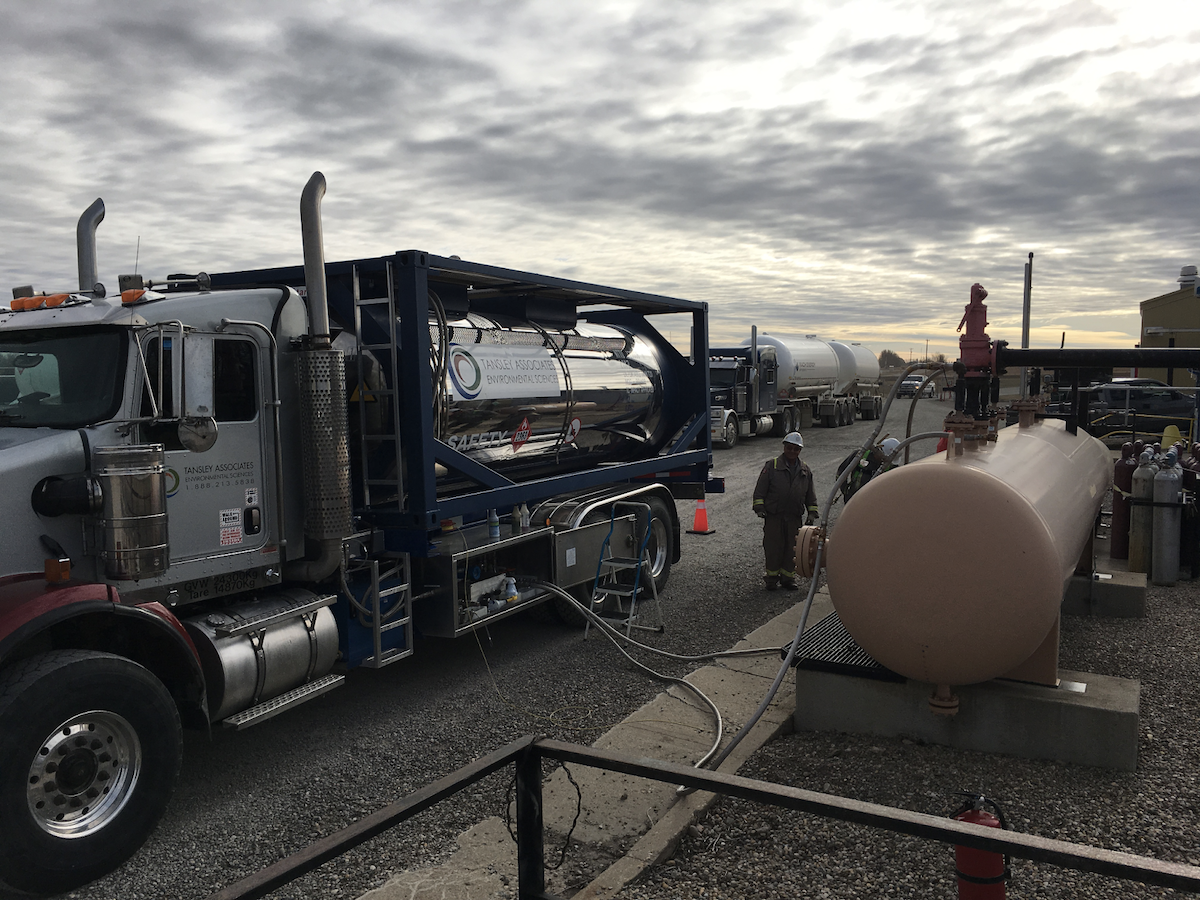
Our system is so effective that a portable version was used to deodorize a 13,000 gallon odorant vessel in the heart of Vancouver, B.C., without incident.
Professional Deodorization Services
Deodorizing odorant vessels is not a standard cleaning process. It requires specialized equipment, controlled procedures, and a deep understanding of how mercaptan behaves under different conditions.
Professional natural gas deodorization ensures that odorant equipment and vessels are safely processed without releasing residual odor into the environment. This is critical not only for compliance, but for avoiding false leak calls and unnecessary public concern.
Not all gas odorization services are equipped to handle this work. Proper deodorization requires:
- Controlled containment of residual odorant
- Proven methods that eliminate odor without introducing additional risk
- Facilities designed specifically for odorant equipment processing
- Experience managing complex decommissioning scenarios
For organizations evaluating natural gas odorization companies, the key differentiator is experience. Deodorizing a single vessel is not the same as managing hundreds of projects across different environments, system types, and regulatory conditions.
Working with a specialized provider ensures that odorant vessel decommissioning is handled safely, efficiently, and in a way that protects both operational integrity and public trust.
Nearly 50 Years of Specialized Experience
When decommissioning and deodorizing odorant equipment and vessels, Tansley uses specialty equipment and techniques developed over nearly 50 years of odorant handling experience.
Having completed industrial mercaptan vessel decommissioning projects hundreds of times is not the same as having done it once or twice. Experience matters, particularly when public safety and regulatory compliance are involved.
Why a Specialty Odorant Company Matters
For odorant vessel decommissioning, mercaptan vessel decommissioning, and odorant vessel end of life projects, we strongly recommend that the propane and natural gas industries use a specialty odorant company.
A company that:
- Understands odor behavior
- Has proper containment procedures
- Knows regulatory frameworks
- Maintains destruction documentation
- Has managed hundreds of projects
Protecting the reputation of the odorant industry is critical.
We feel so strongly about it that you can call us anytime, at no cost or obligation, to discuss odorant vessel decommissioning best practices.
If you have any odorant concerns or questions, we would be pleased to talk to you. Call 403.569.8566



.JPG)

