

0.2-Micron Mirror Polish: Why Surface Finish Matters in Odorant Storage Vessels

When engineers evaluate odorant storage systems, most attention goes to structural integrity, certification standards, and capacity. Far less attention is given to one of the most critical performance variables: the odorant vessel finish.
Surface finish directly affects chemical stability, contamination risk, cleanability, and long-term vessel performance. In high-sensitivity applications such as mercaptan storage, interior roughness is not cosmetic. It is a control parameter.
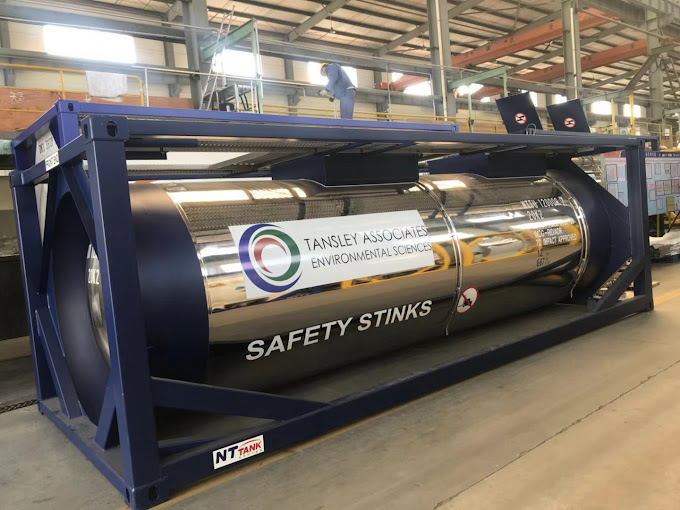
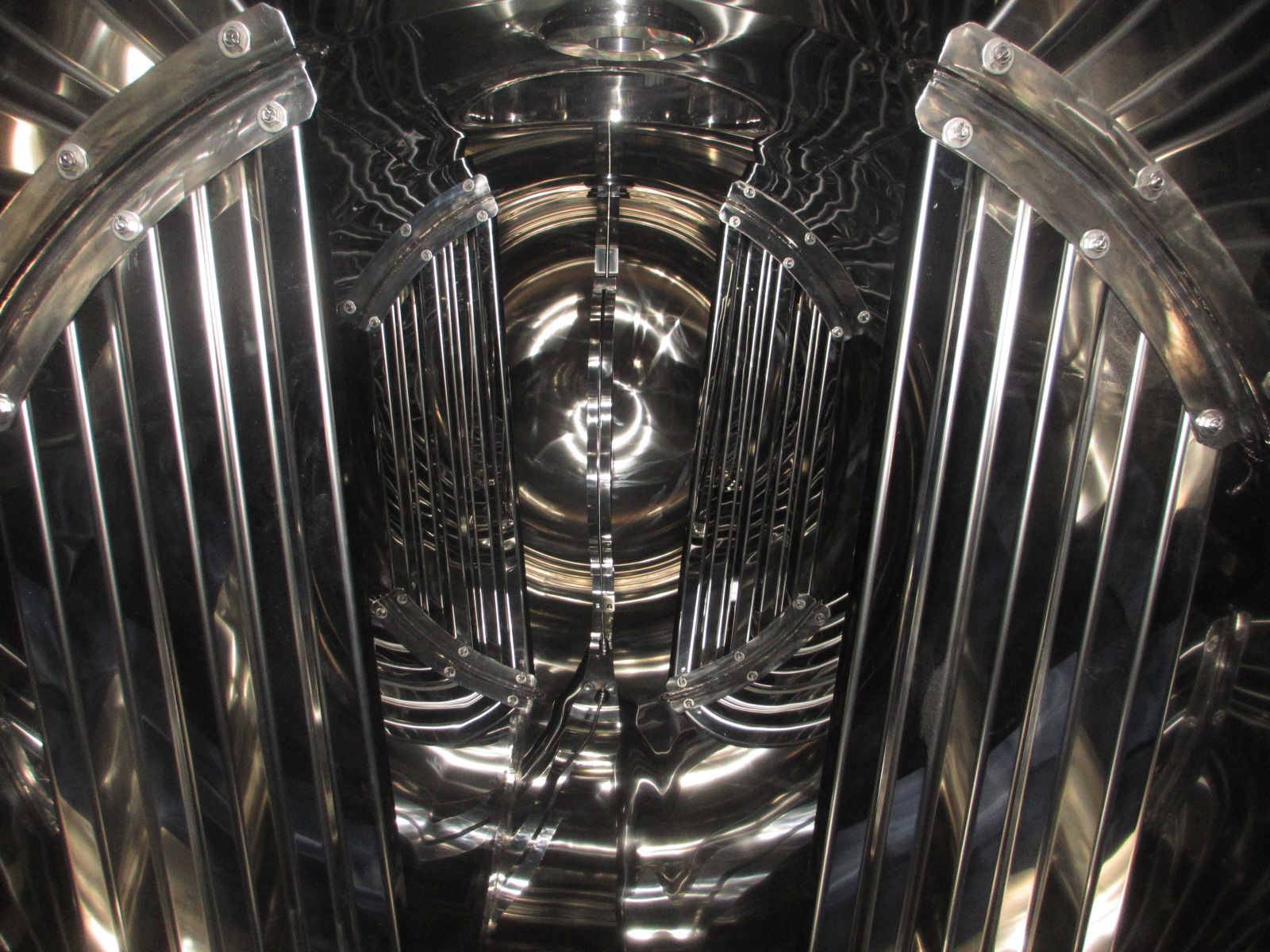
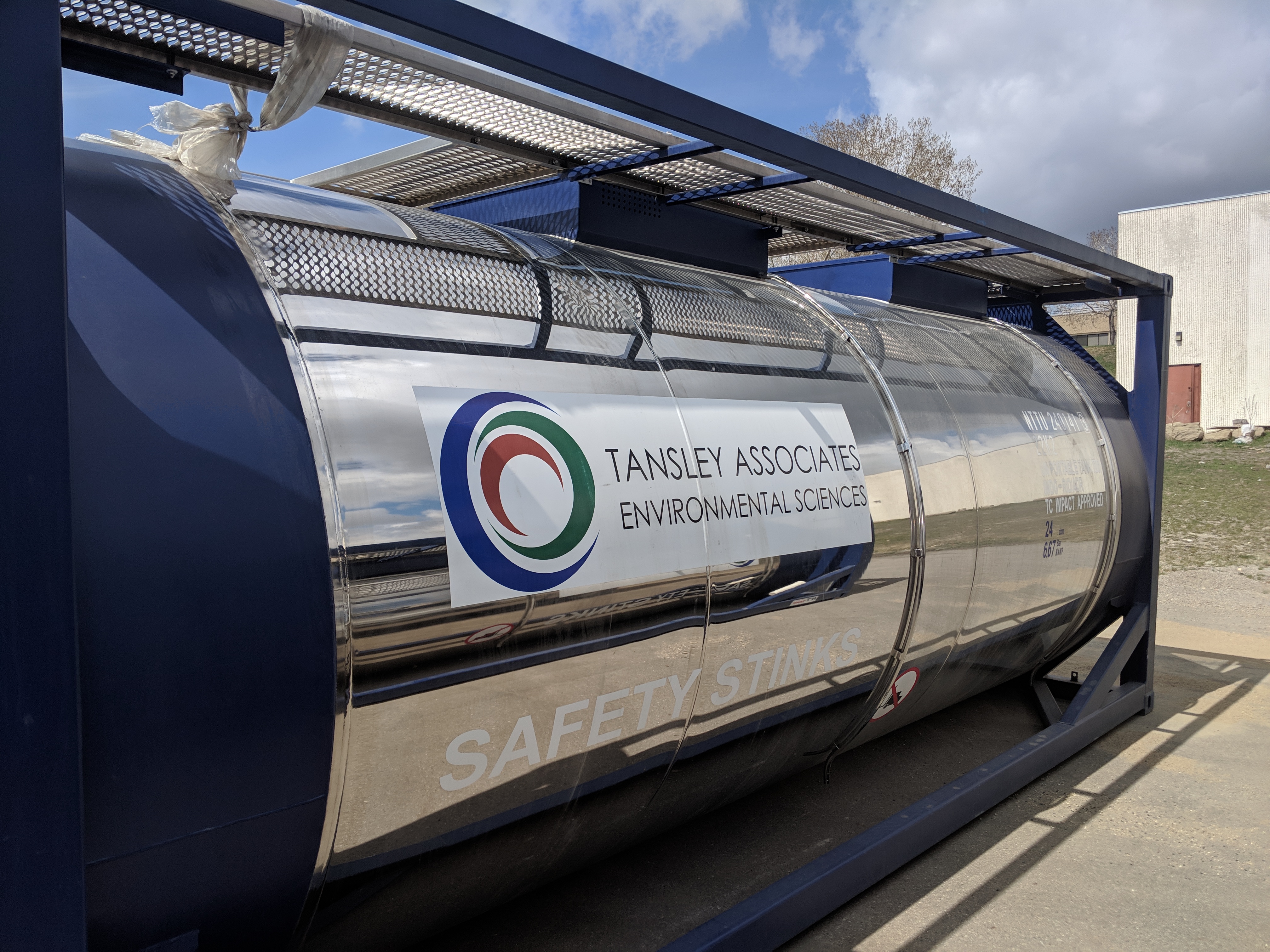
A 0.2-micron mirror polish odorant vessel represents one of the highest levels of interior refinement available for odorant storage applications. Understanding why that matters requires looking at surface science, not just fabrication.
What 0.2-Micron Mirror Polish Actually Means
Surface finish is measured in microns or microinches as an average roughness value, commonly referred to as Ra. The lower the Ra value, the smoother the surface.
A 0.2-micron mirror polish odorant vessel has an internal surface roughness of approximately 0.2 micrometers Ra. This is a highly refined finish typically associated with pharmaceutical and high-purity chemical applications.
For context:
- Standard industrial finishes often range from 0.8 to 1.6 microns Ra
- Mechanically polished vessels may achieve 0.4 to 0.8 microns Ra
- A 0.2-micron mirror polish odorant vessel sits at the high end of refinement
The difference between 0.8 microns and 0.2 microns may appear small numerically, but at a microscopic level it represents a significant reduction in surface peaks and valleys where contaminants can accumulate.
How Surface Finish Affects Odorant Stability
Mercaptans are chemically active compounds. Their stability can be influenced by environmental exposure, moisture, oxidation, and interaction with internal surfaces.
An odorant vessel finish with higher surface roughness increases:
- Surface area available for interaction
- Potential retention of residual moisture
- Microscopic crevices where oxidation reactions may initiate
- Difficulty in complete purge and drying
A mirror polish odorant vessel reduces these variables by minimizing internal surface irregularities. The smoother the finish, the less opportunity there is for chemical interaction or localized contamination.
In practical terms, a 0.2-micron mirror polish odorant vessel supports:
- More stable odorant storage conditions
- Reduced adsorption potential
- Improved consistency in injection behaviour
- Lower odorant fading risk associated with contamination
Surface finish becomes a stability control factor, not merely a manufacturing specification.
Contamination Risk and Cleanability
Contamination risk increases when interior surfaces trap moisture, residue, or particulates.
Rougher internal finishes can retain:
- Residual mercaptan from prior fills
- Trace moisture
- Particulate contamination
- Oxidized byproducts
These residues may not be visible but can influence odorant purity over time.
A mirror polish odorant vessel significantly improves cleanability. During purge and drying cycles, smoother internal surfaces allow:
- More complete evacuation of residual gases
- Faster moisture removal
- Improved deodorization efficiency
- More reliable pre-fill odorant vessel preparation
For facilities that require odorant vessel dryness certification prior to fill, interior surface finish directly affects how efficiently acceptable dryness levels can be achieved.
Longevity and Structural Benefits
Surface finish also contributes to long-term durability.
Microscopic surface irregularities act as potential initiation points for localized corrosion or degradation. By reducing these irregularities, a 0.2-micron mirror polish odorant vessel lowers the likelihood of long-term internal wear.
The smoother finish supports:
- Reduced localized stress concentration
- Improved internal corrosion resistance
- Extended vessel service life
- More predictable maintenance intervals
When evaluating total lifecycle cost, odorant vessel finish plays a measurable role in asset longevity.
Comparison to Industry Alternatives
While many stainless steel odorant vessels are manufactured with standard mill finishes or basic mechanical polishing, the performance differences are measurable.
Typical comparison:
- Mill finish or unpolished interior: Higher Ra value, greater retention potential
- Standard polished interior at 0.8 microns: Acceptable but moderate surface irregularity
- Enhanced polish at 0.4 microns: Improved cleanability
- 0.2-micron mirror polish odorant vessels: High-purity grade interior, minimal retention surface
The incremental reduction in Ra value improves chemical stability and contamination control. In high-sensitivity odorant storage applications, those incremental improvements matter.
Surface Finish Testing and Verification
Surface finish in stainless steel odorant tanks is typically verified using profilometry. Mechanical or optical profilometers measure average surface roughness to confirm Ra specifications.
Testing methods may include:
- Contact stylus profilometry
- Optical interferometry
- Surface replica testing
- Visual inspection under magnification
Documentation of interior Ra value should be available as part of fabrication records. For engineered odorant storage systems, this specification should not be assumed.
Integration with AI-Enabled Odorant Systems
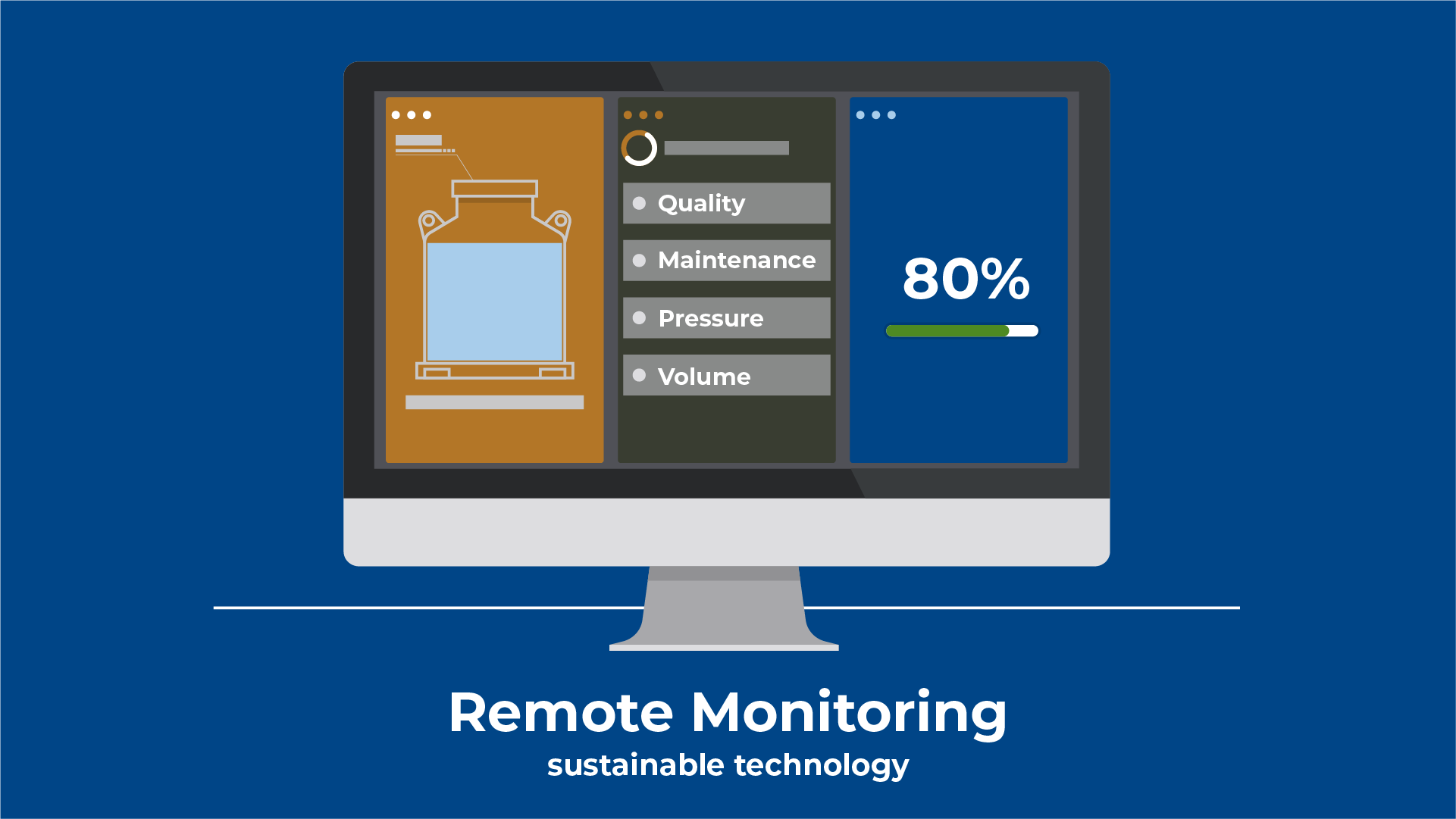
Modern odorant infrastructure increasingly incorporates remote monitoring and AI-based data tracking.
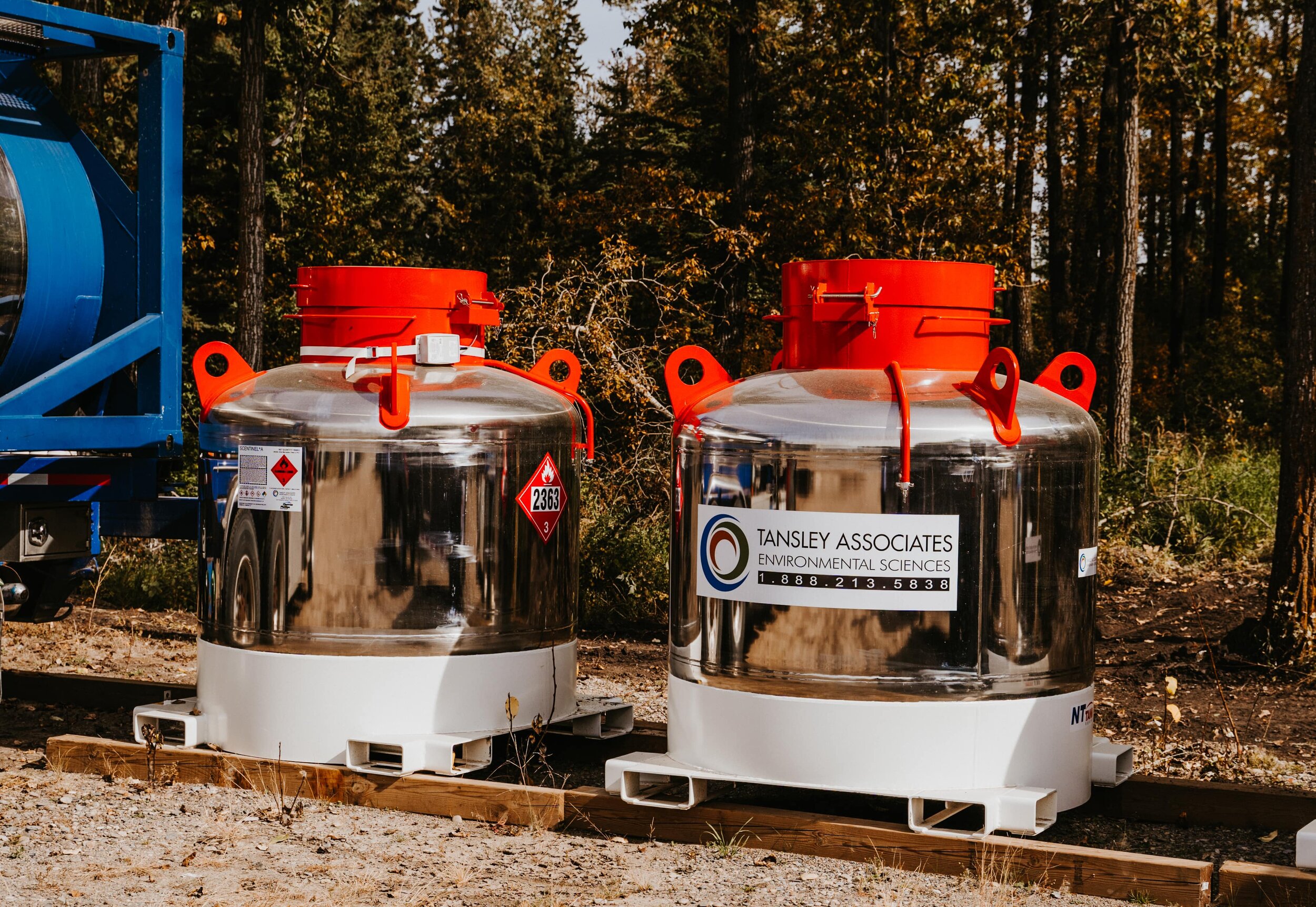
Tansley’s AI smart vessels integrate high-performance interior finishes with advanced monitoring systems. These systems are designed to work together to protect odorant integrity from storage through injection. You can learn more about these systems at /ai-vessels.
While monitoring systems provide performance visibility, interior surface quality provides environmental control. The combination of advanced monitoring and a 0.2-micron mirror polish odorant vessel creates a more complete stability strategy.
Why Surface Finish Should Be a Specification, Not an Afterthought
In odorant storage applications, internal conditions define system performance. A mirror-polished odorant vessel is not a cosmetic upgrade. It is a chemical stability enhancement.
A 0.2-micron mirror polish odorant vessel reduces contamination potential, improves purge efficiency, enhances dryness control, and supports long-term asset reliability.
For senior engineers evaluating odorant vessel finish specifications, surface roughness should be reviewed with the same scrutiny as structural certifications and pressure ratings.
Surface finish is not just a fabrication detail. It is a performance variable.
If you are reviewing odorant storage vessel specifications or evaluating upgrades, consider whether your current odorant vessel finish meets the stability and longevity standards required for modern odorization systems.
To discuss 0.2-micron mirror polish odorant vessels or AI-integrated odorant storage solutions, contact Tansley Associates Environmental Sciences.
If you have any odorant concerns or questions, we would be pleased to talk to you. Call 403.569.8566








.JPG)

