

Certificate of Dryness: The Pre-Fill Standard Every Odorant Vessel Should Meet
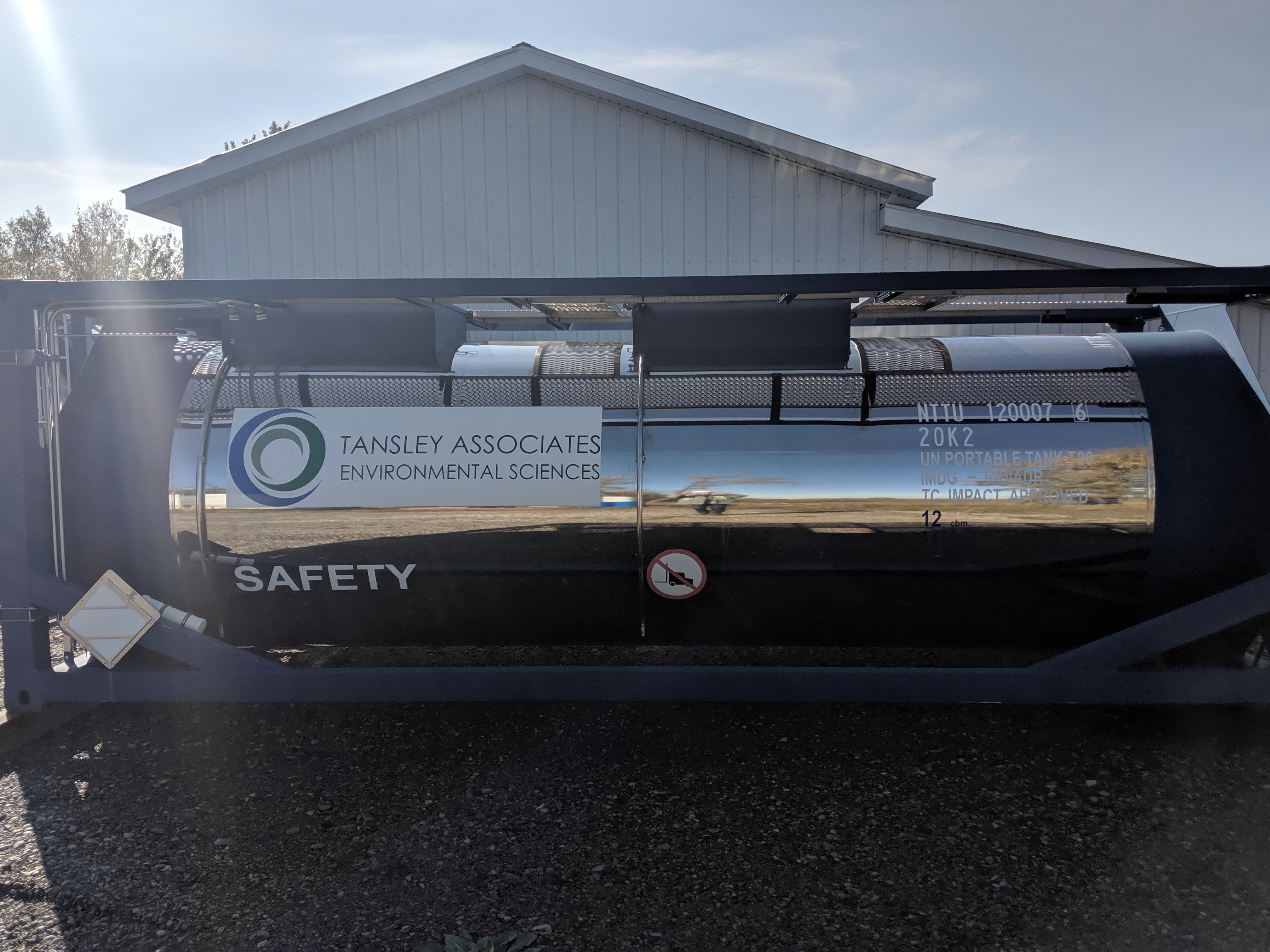
In odorization systems, most failures do not begin at the injection point. They begin much earlier, often inside the storage vessel itself.
Before any pre-fill odorant vessel is placed into service, one document should exist and be verified: the odorant vessel Certificate of Dryness.
For senior engineers responsible for odorization reliability, dryness certification is not administrative paperwork. It is a technical control that protects odorant performance, regulatory defensibility, and organizational liability.
Why Dryness Matters More Than Most Realize
Mercaptans are chemically sensitive compounds. Even trace moisture inside a vessel can alter odorant behavior over time.
A vessel that appears structurally sound may still contain residual moisture from maintenance, transport, atmospheric exposure, or previous service. Without proper drying and verification, that moisture becomes an uncontrolled variable in your system.
An odorant vessel dryness certification confirms that the internal environment meets defined dryness thresholds before odorant is introduced. This protects:
- Odorant concentration stability
- Injection consistency
- Long-term detectability
- Internal vessel integrity
Dryness is not about appearance. It is about chemical control.
The Link Between Moisture and Odorant Fading
Odorant fading risk is one of the most serious issues in gas distribution systems. It can occur when chemical instability reduces the perceptibility of the odorant, even if injection rates appear normal.
Moisture inside a pre-fill odorant vessel can contribute to:
- Oxidation reactions
- Altered mercaptan behavior
- Reduced odor intensity
- Inconsistent field detectability
When fading occurs, injection data may not immediately reveal the problem. The issue originates upstream, inside the storage environment.
An odorant tank dryness certificate provides confidence that the storage vessel will not introduce preventable chemical instability before the odorant ever reaches the distribution system.
What an Odorant Vessel Certificate of Dryness Should Include
A legitimate odorant vessel Certificate of Dryness is more than a statement. It is documented verification that controlled drying and testing procedures have been completed.
A proper dryness certification should confirm:
- Vessel purging has been completed
- Internal atmosphere has been displaced
- Moisture levels have been measured
- Acceptable dew point thresholds have been achieved
- The verification date and responsible personnel are documented
If this documentation does not exist, the internal condition of the vessel is assumed, not confirmed.
For senior engineers, assumption is not a control measure.
The Pre-Fill Odorant Vessel Workflow
A defensible pre-fill odorant vessel process should follow a structured sequence.
1. Mechanical Inspection
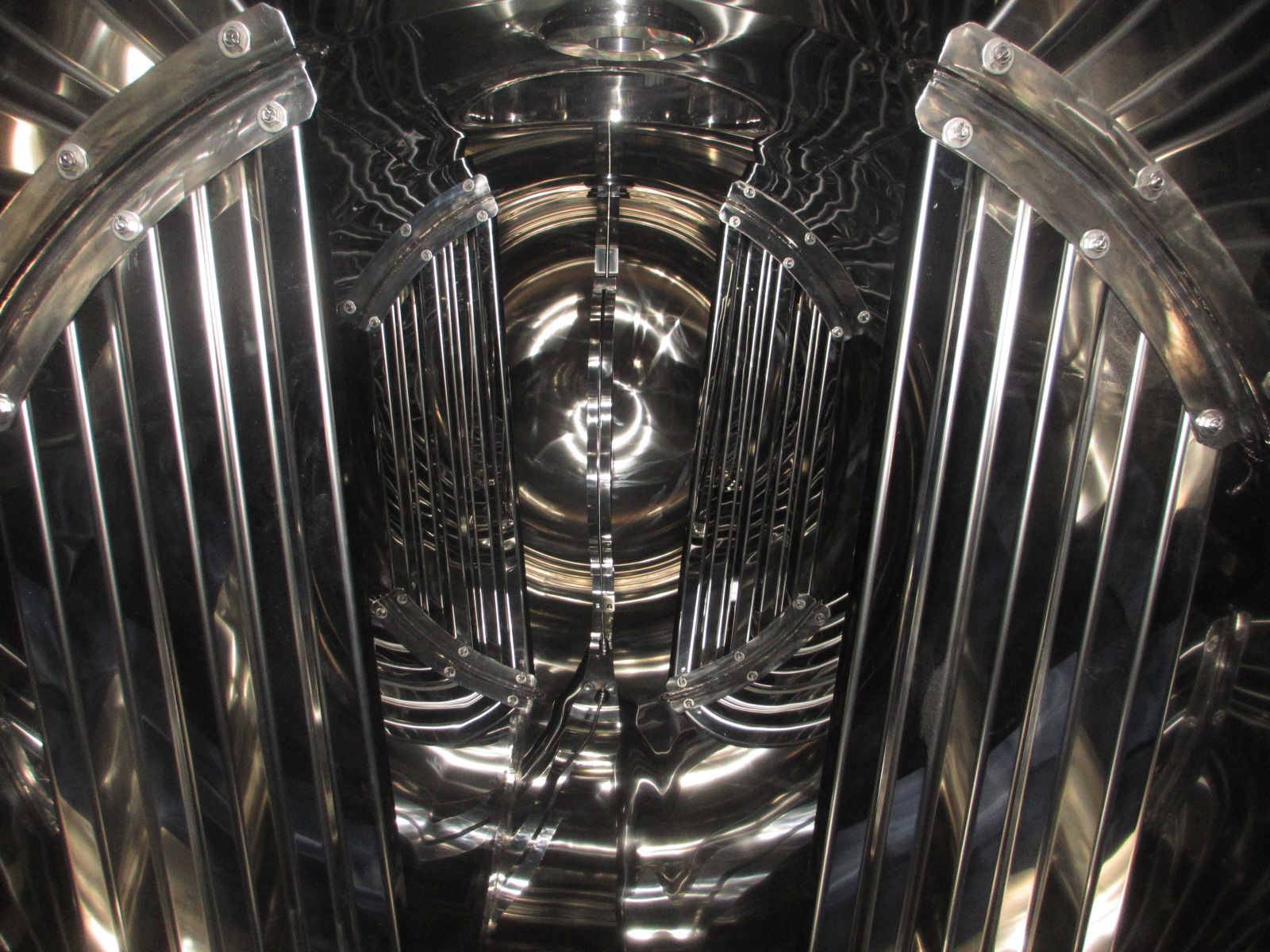
Before drying begins, the vessel should undergo inspection to confirm structural integrity, seal condition, and internal suitability.
2. Controlled Purging
Residual gases and atmospheric moisture must be removed through controlled inert gas displacement or other approved purging methods.
3. Drying Procedure
Drying methods may include:
- Inert gas circulation
- Controlled heating
- Vacuum-assisted drying
- Moisture testing to confirm dew point
4. Moisture Verification
Dryness must be measured and recorded. Only when thresholds are achieved should an odorant vessel dryness certification be issued.
5. Documentation Retention
The odorant vessel Certificate of Dryness should be retained within the asset record and referenced during audits or incident reviews.
This workflow transforms dryness from a best practice into a documented engineering control.
Consequences of Skipping Certification
Filling a vessel without a validated odorant tank dryness certificate introduces risk that may not surface immediately.
Odorant Performance Risk
Moisture can compromise odorant stability, contributing to fading or inconsistent odor intensity.
Regulatory Exposure
In the event of an odorization-related incident, investigators will review documentation. Absence of dryness certification weakens defensibility.
Liability and Reputation
Public safety systems rely on trust. If fading or instability can be traced back to inadequate pre-fill controls, the liability implications extend beyond operations.
Asset Degradation
Moisture may accelerate internal degradation, shortening vessel service life and increasing maintenance burden.
None of these outcomes are operationally acceptable when dryness verification is preventable.
Smart Monitoring Does Not Replace Dryness Certification
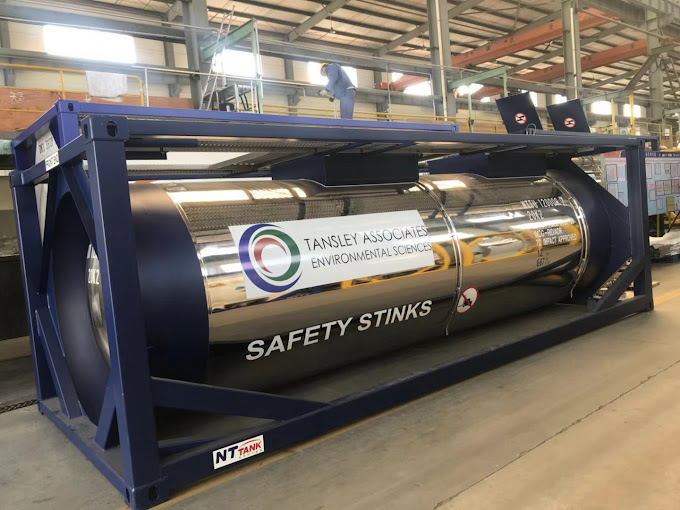
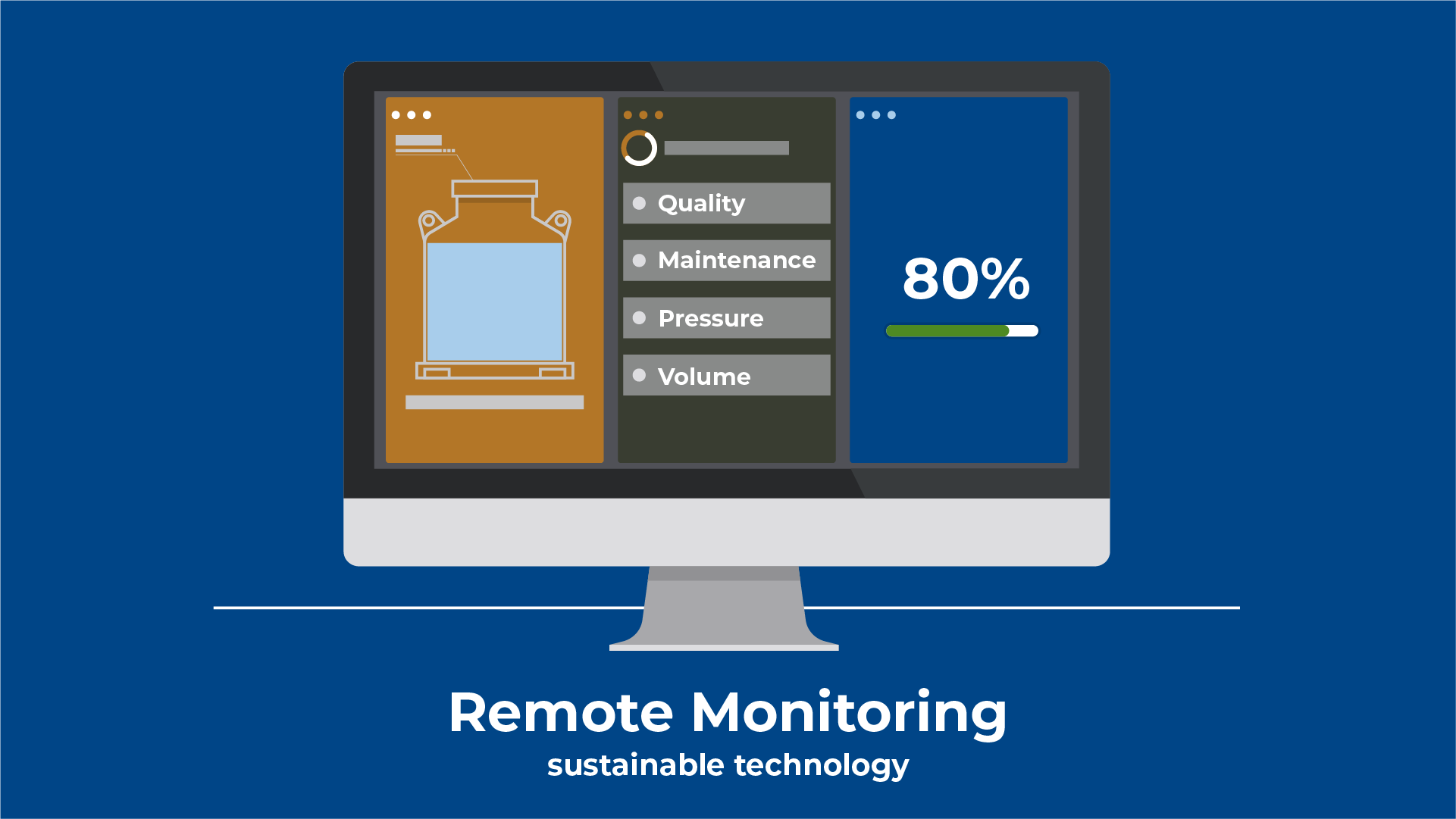
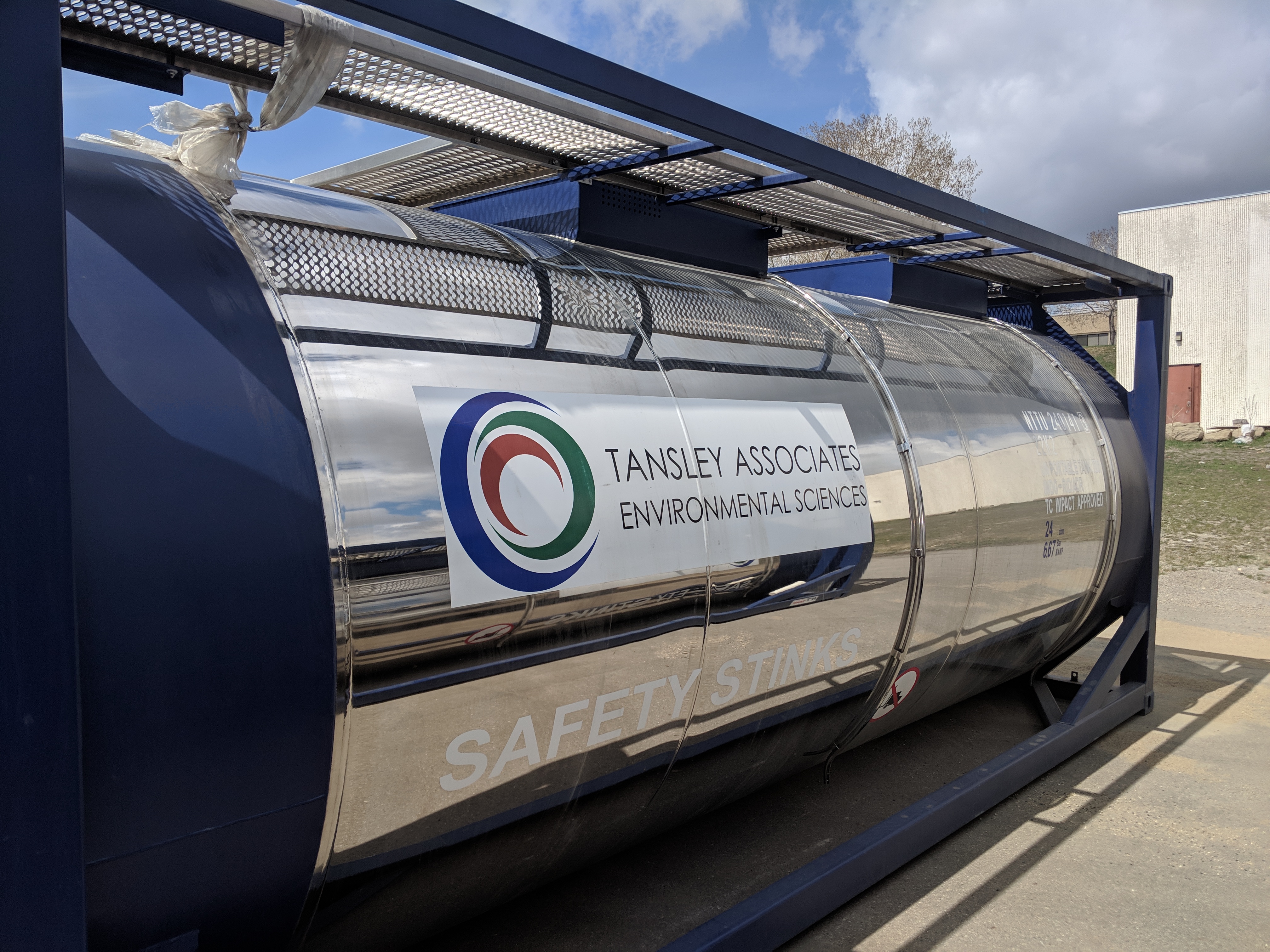
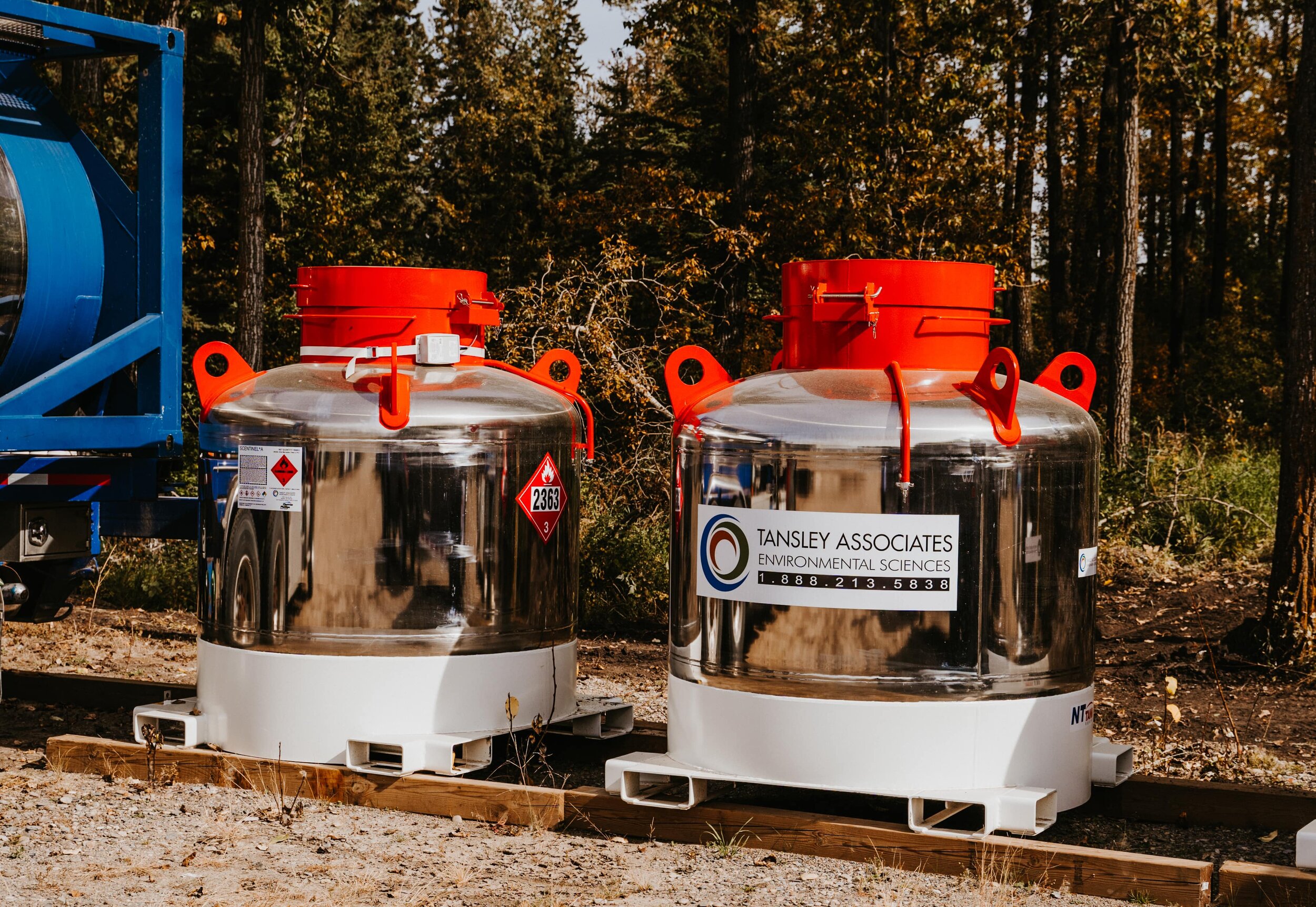
Modern stainless steel odorant vessels may incorporate remote monitoring and AI-based performance tracking. These technologies enhance visibility after filling.
However, monitoring systems do not verify internal dryness prior to fill.
An odorant vessel dryness certification remains a foundational control step, regardless of vessel sophistication.
Dryness certification protects system stability before odorant enters the tank. Monitoring protects it afterward. Both are necessary.
The Engineering Standard Moving Forward
For organizations serious about odorization integrity, the pre-fill odorant vessel standard should be clear:
No fill without a verified odorant vessel Certificate of Dryness.
This is not excessive caution. It is disciplined engineering.
Moisture is invisible. Its impact is not.
If you are reviewing your odorization procedures or strengthening documentation controls, now is the time to ensure odorant vessel dryness certification is embedded in your pre-fill workflow.
To discuss best practices for odorant vessel dryness certification or pre-fill odorant vessel protocols, contact Tansley Associates Environmental Sciences.
If you have any odorant concerns or questions, we would be pleased to talk to you. Call 403.569.8566




.JPG)

