

The Complete Guide to the Odorant Vessel 4-Year Maintenance Cycle
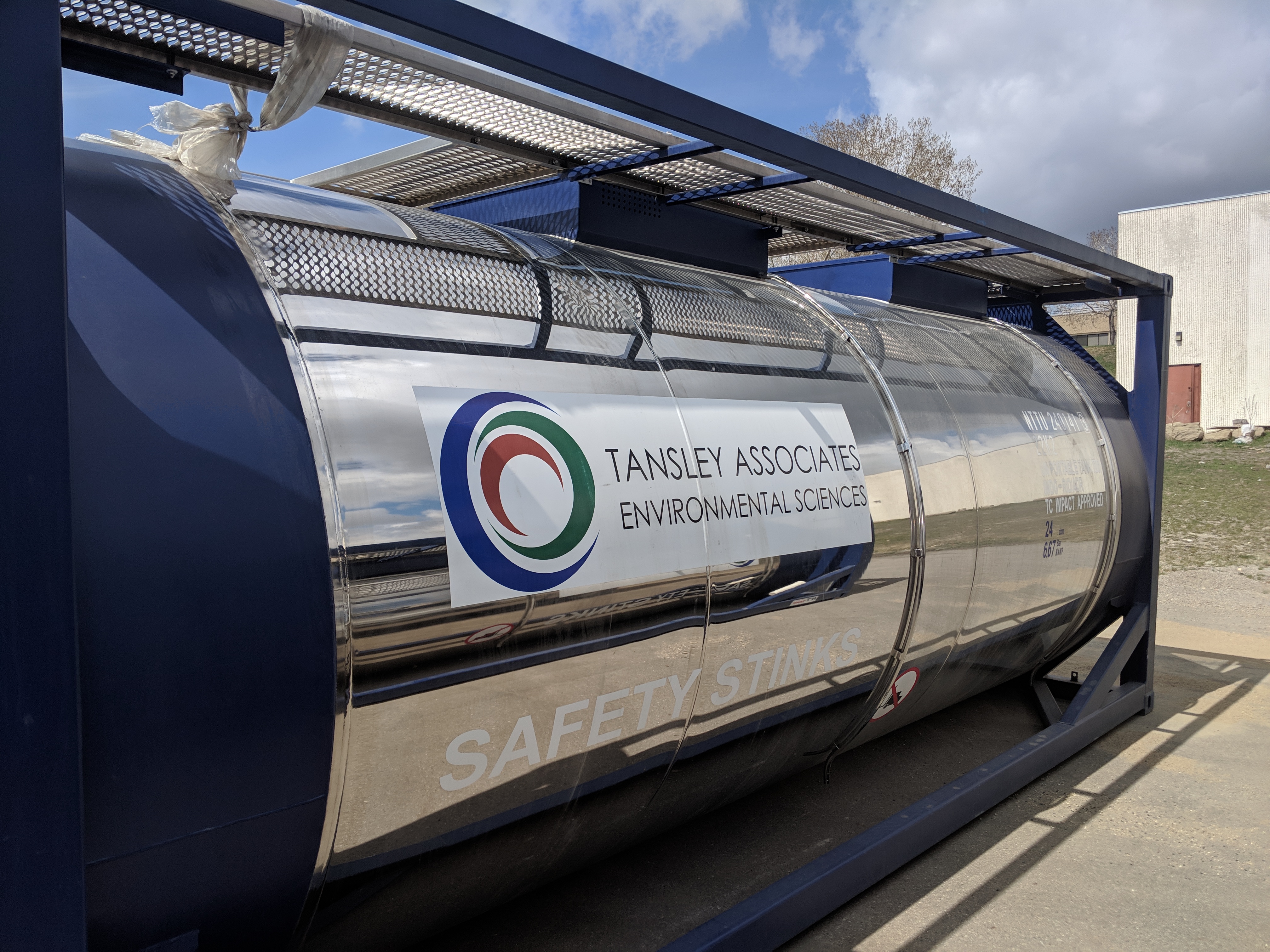
For most odorization systems, reliability is not determined by injection equipment alone. It is determined by how well the storage vessel is maintained over time.
The odorant vessel 4-year maintenance cycle is one of the most important long-term controls in an odorization program. When properly planned and documented, it protects system integrity, regulatory compliance, and public safety. When overlooked or delayed, it can introduce avoidable operational risk.
This guide walks through the odorant vessel maintenance cycle, outlines inspection requirements, explains documentation expectations, and provides a practical planning framework for senior engineers responsible for odorization infrastructure.
Why the 4-Year Maintenance Cycle Exists
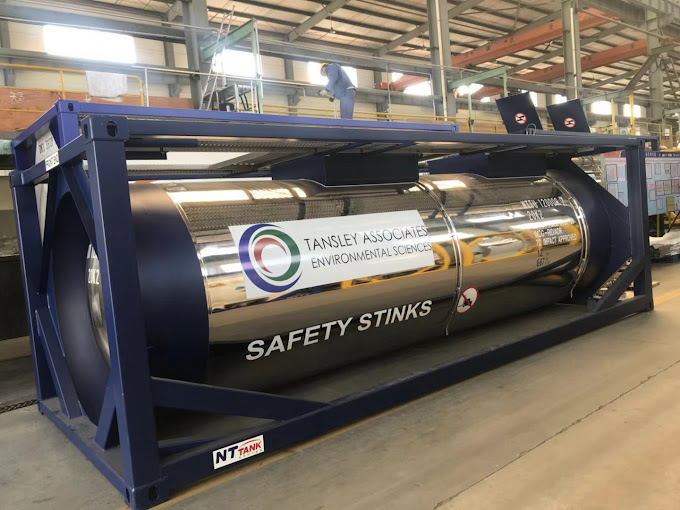
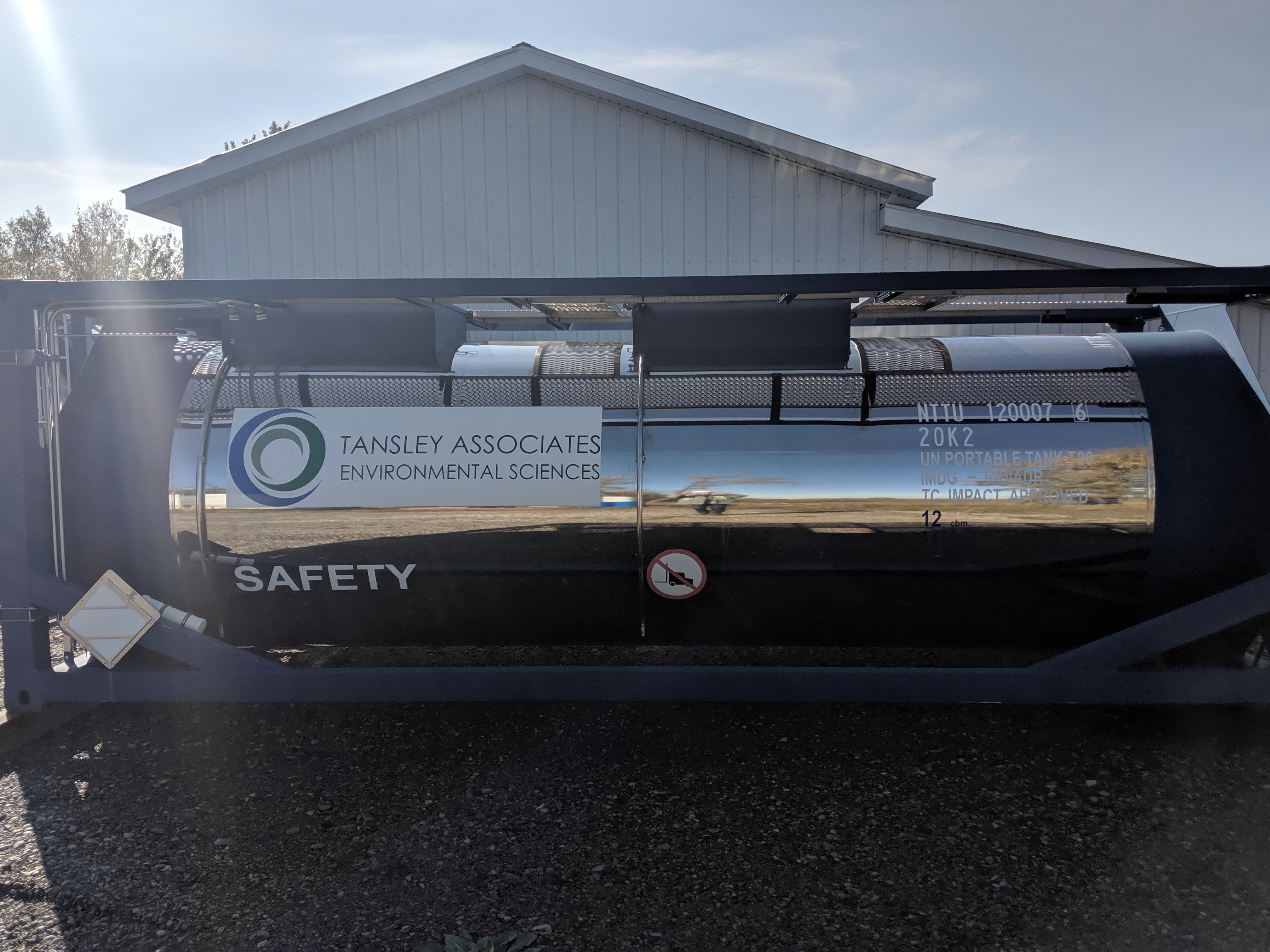
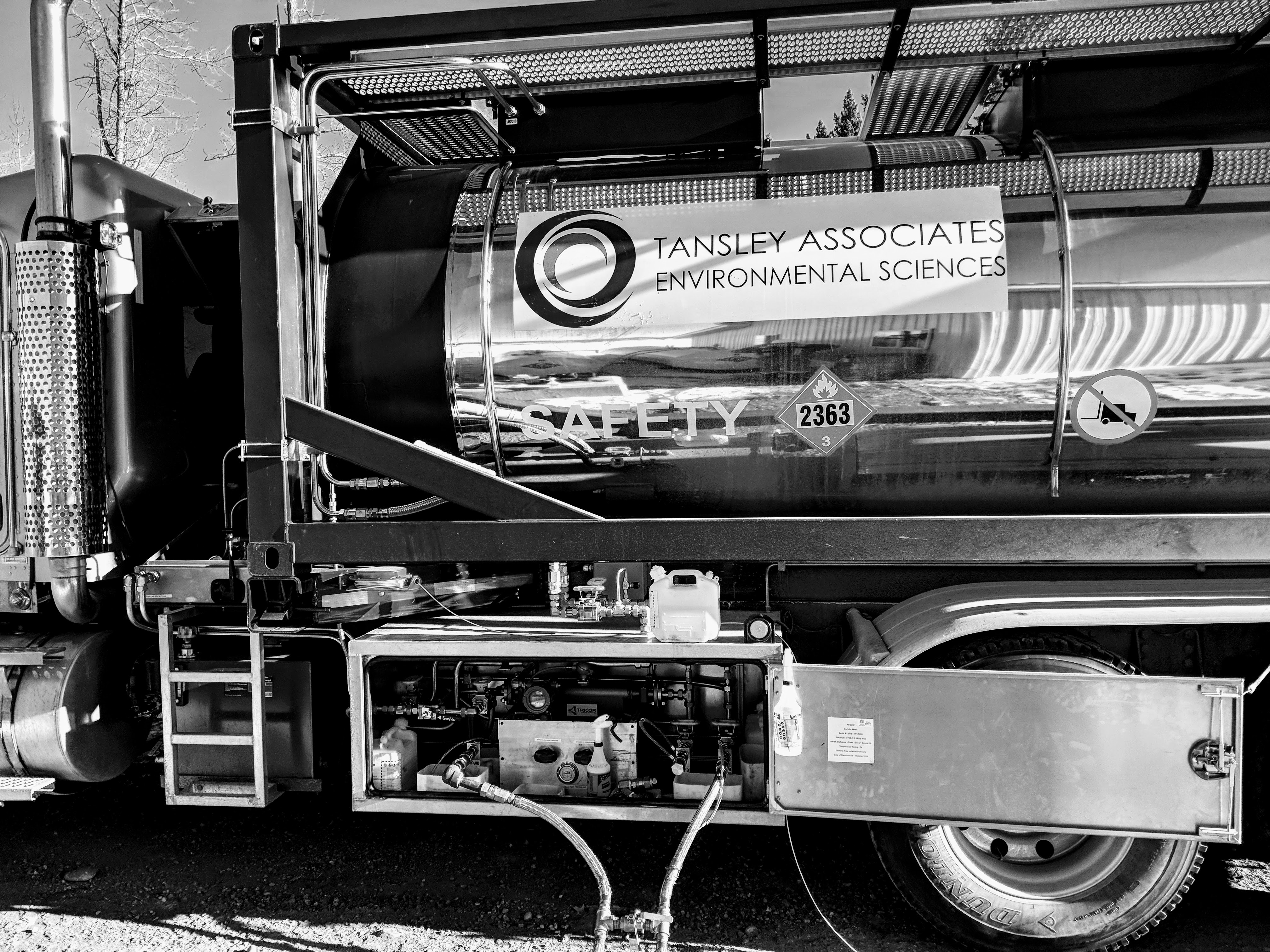
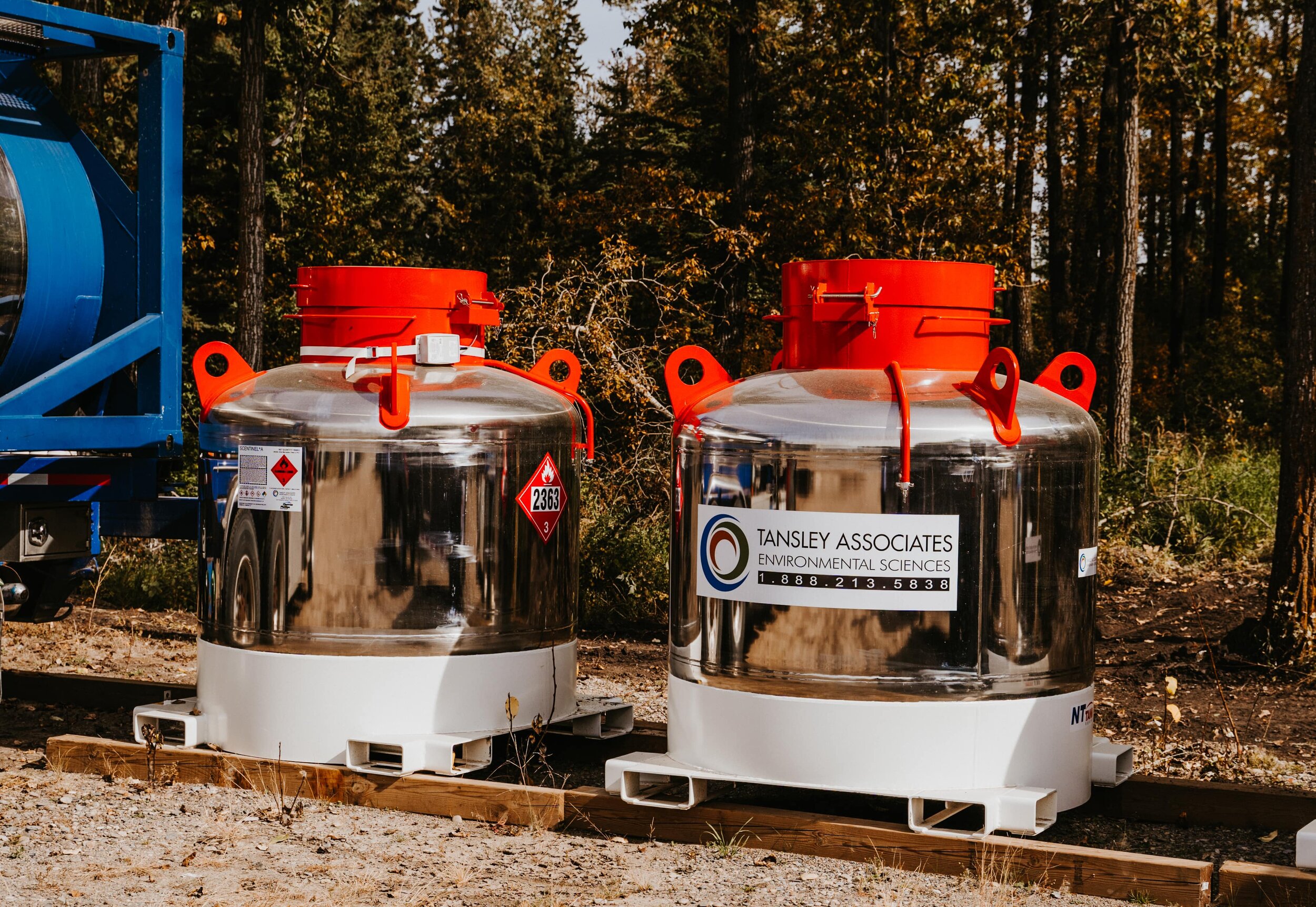
Stainless steel pressurized odorant storage vessels operate under defined inspection intervals to ensure structural integrity, internal condition, and safe performance. The 4-year odorant vessel inspection interval is widely adopted as a best-practice maintenance benchmark for transportable stainless steel odorant systems.
Over time, vessels experience:
- Pressure cycling
- Environmental exposure
- Internal chemical contact
- Seal and valve wear
A defined stainless steel pressurized odorant storage vessel inspection schedule ensures these factors are assessed before they become operational issues.
The odorant vessel maintenance cycle is not just a compliance event. It is a lifecycle management strategy.
What Happens During a 4-Year Odorant Vessel Inspection
A complete 4-year odorant vessel inspection typically includes several technical components.
STEP 1. is empty a the pressure vessel and deodorize the vessel Preparation for physical interior inspection and weld inspection followed by cleaning and drying.
External Structural Inspection
The vessel exterior is examined for structural integrity, weld condition, surface degradation, and identification markings. Pressure ratings and certification stamps are verified.
Internal Inspection and Surface Review
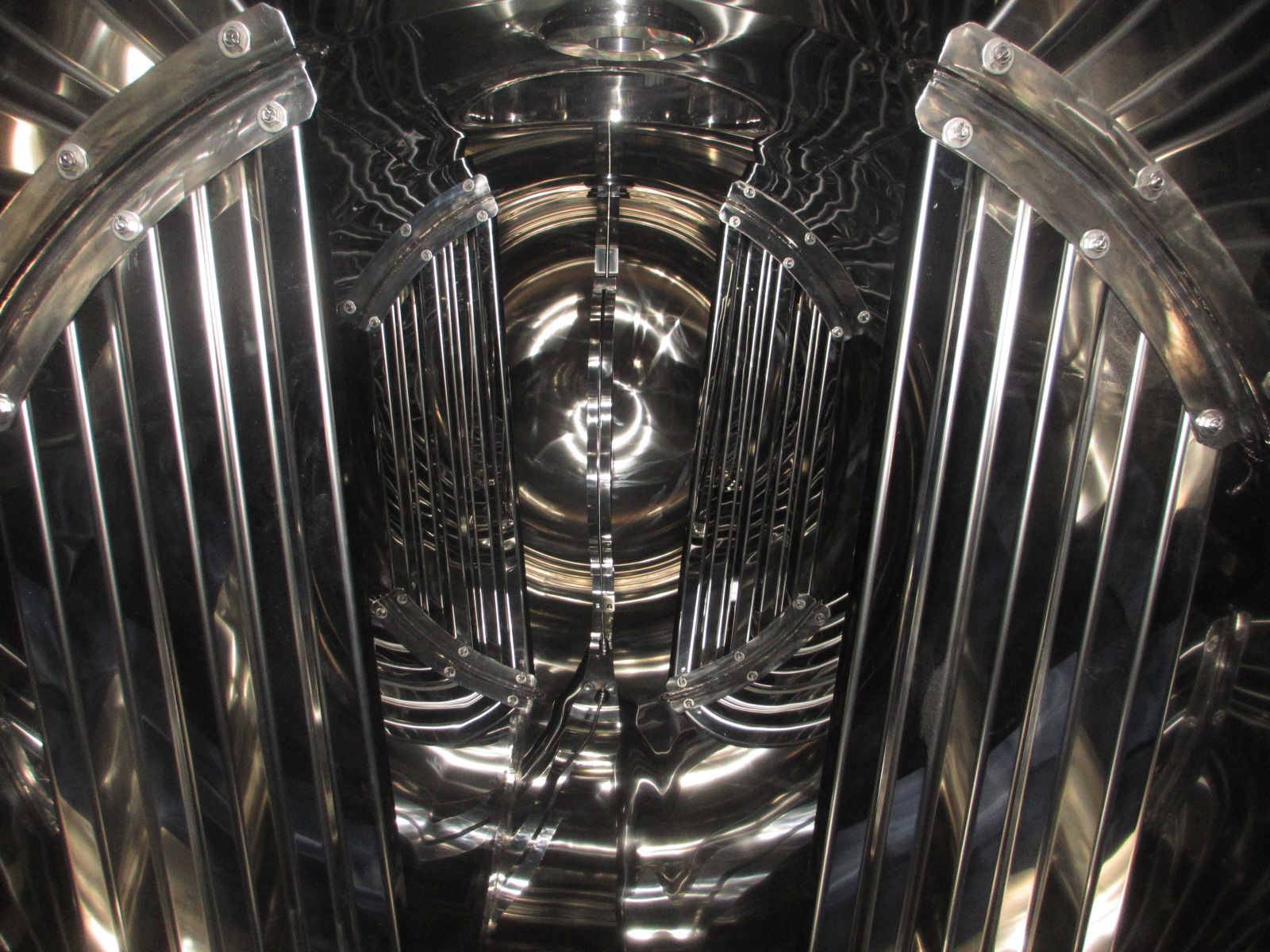
The interior of the vessel is evaluated for surface condition, contamination, and finish integrity. For vessels with polished interiors, the odorant vessel finish is assessed to ensure performance standards remain intact.
Valve and Component Assessment
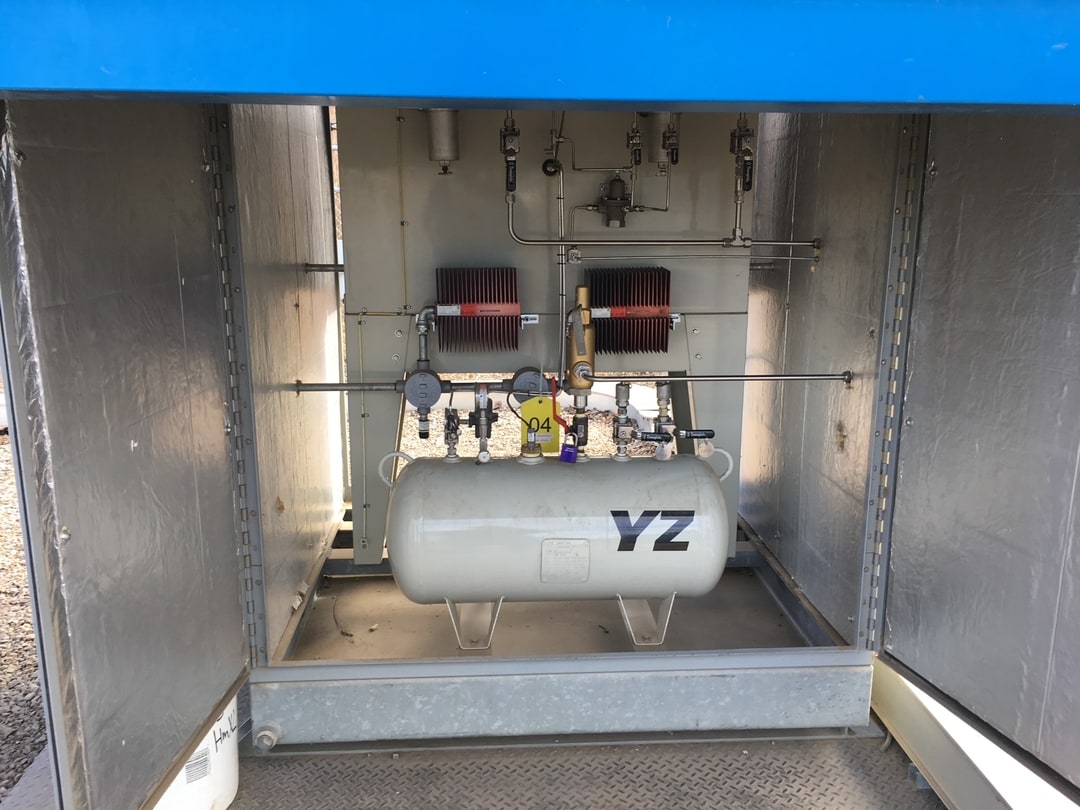
Relief valves, fittings, gaskets, and associated hardware are inspected or replaced as required.
Pressure Testing
Hydrostatic or alternative approved pressure testing methods may be performed to confirm continued structural integrity under rated conditions.
Drying and Pre-Fill Preparation
Following inspection and cleaning, the vessel must be properly purged and dried before re-entering service. Dryness verification supports safe refill and continued odorant stability.
Documentation and Recertification
Inspection results, pressure test data, and recertification documents must be recorded and retained. Updated compliance documentation becomes part of the vessel’s lifecycle record.
The Odorant Tank Inspection Schedule: Planning Ahead
The most common operational mistake in the odorant vessel maintenance cycle is reactive scheduling.
Senior engineers should track:
- Vessel commissioning date
- Last inspection date
- Certification expiration
- Upcoming 4-year inspection deadline
Planning should begin at least 6 to 12 months before the 4-year odorant vessel inspection date. This allows time to coordinate:
- Vessel exchange logistics
- Service facility scheduling
- Regulatory documentation
- Refill planning
- Downtime minimization
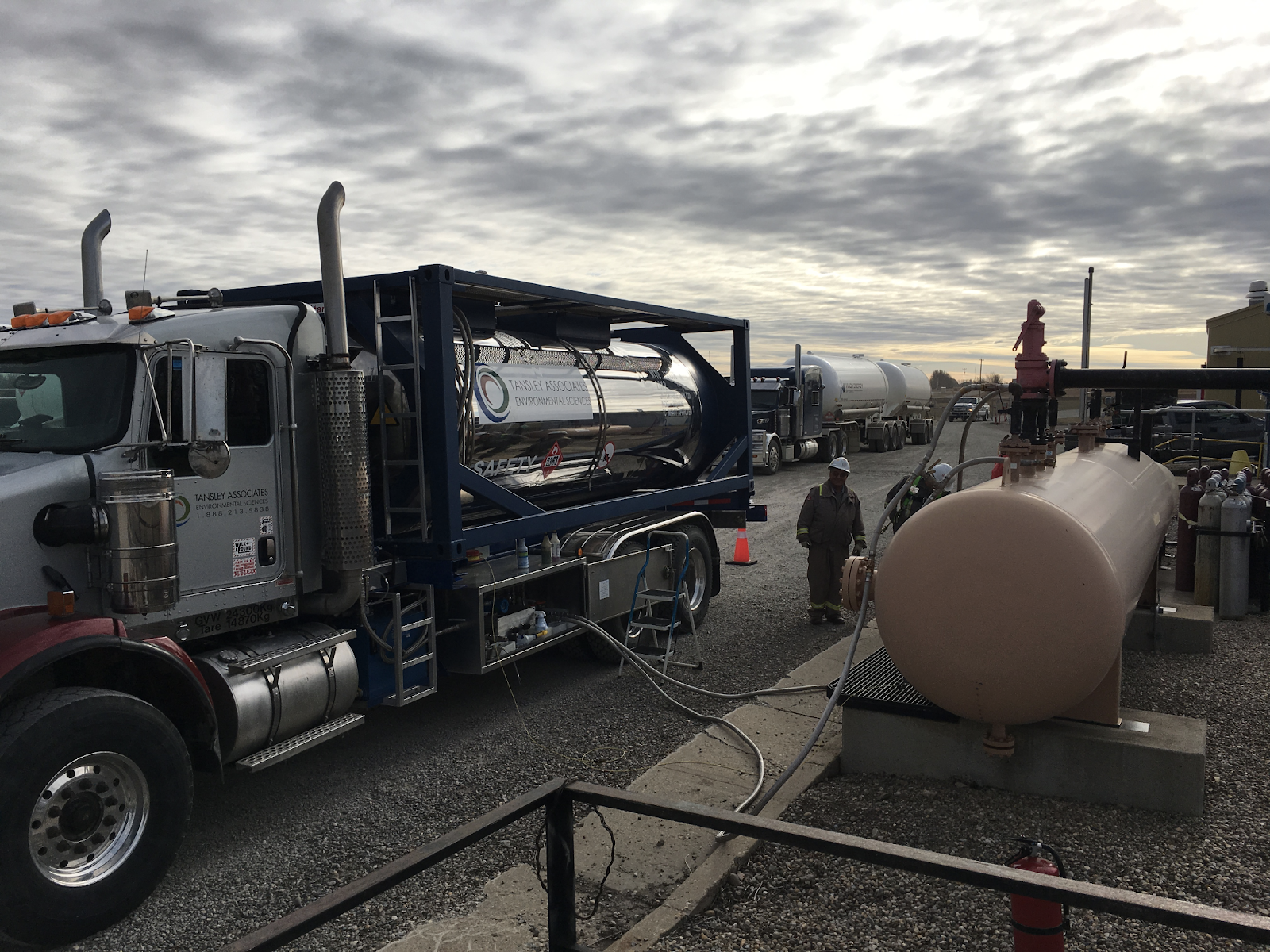
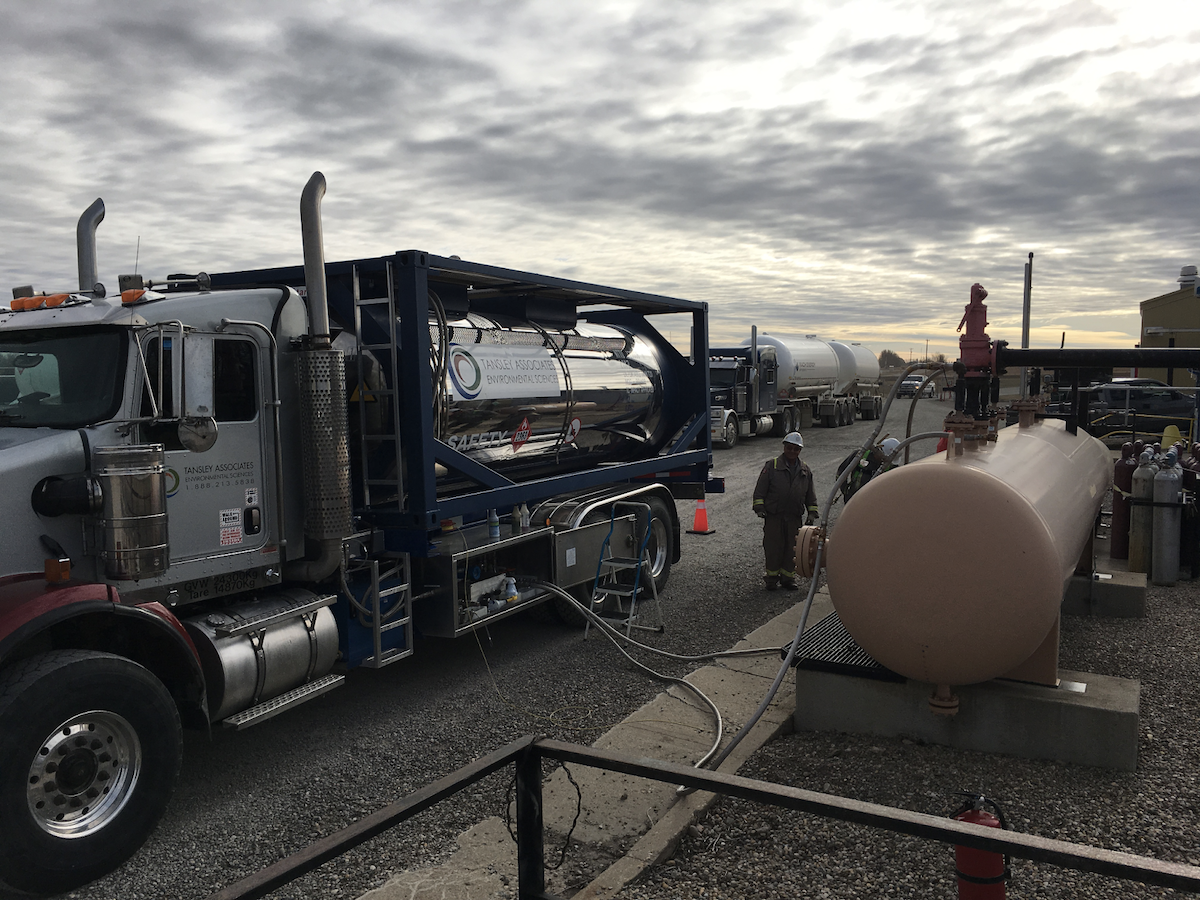
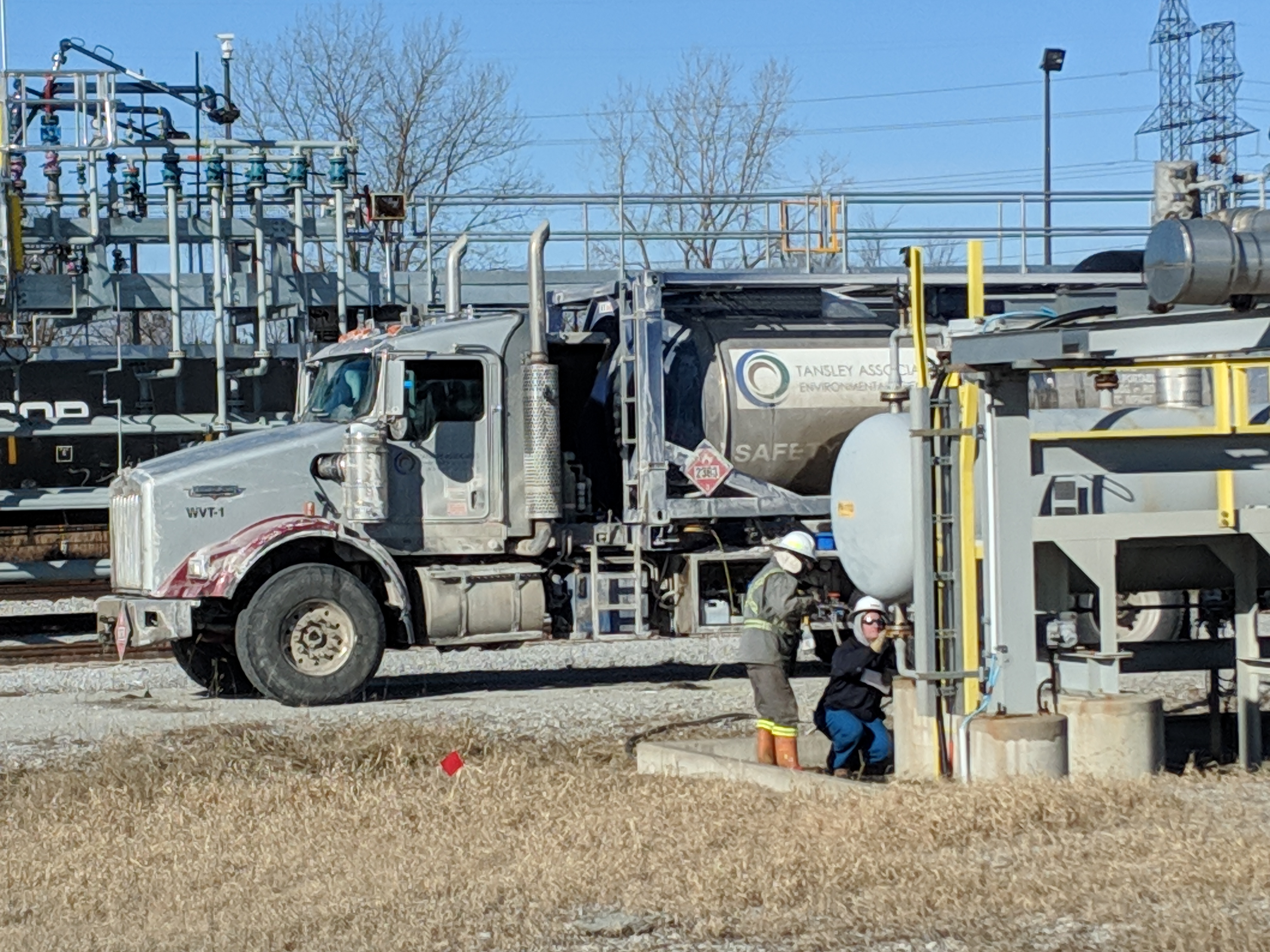
Organizations using transportable stainless steel vessels often rotate units through inspection cycles to avoid operational disruption.
For operators seeking structured support, detailed inspection coordination and vessel exchange planning can be arranged through Tansley’s odorant services team at https://www.tansleyassociates.ca/odorant-services.
Timeline Checklist for the 4-Year Odorant Vessel Maintenance Cycle
Year 0
Vessel commissioned and placed into service. Inspection documentation initiated.
Year 1 to Year 2
Routine monitoring of injection rates and vessel condition. Maintain inspection records.
Year 3
Begin advance planning for the upcoming 4-year odorant vessel inspection. Confirm certification expiration date and evaluate service scheduling availability.
6 to 12 Months Before Year 4
Schedule inspection facility. Plan logistics for vessel exchange or downtime. Review internal documentation for completeness.
Year 4
Perform full 4-year odorant vessel inspection. Conduct pressure testing, internal review, drying, and recertification. Update asset records and compliance documentation.
Post-Inspection
Confirm documentation is archived. Verify new inspection date is logged in asset management system.
Documentation Requirements
The odorant vessel maintenance cycle must be defensible from a regulatory perspective. Documentation should include:
- Inspection reports
- Pressure test certification
- Recertification records
- Valve replacement documentation
- Dryness verification prior to refill
- Updated compliance stamps or plates
Failure to maintain complete documentation can create exposure during audits or incident investigations.
The odorant inspection schedule should be embedded within asset management systems, not tracked informally.
Common Pitfalls in the 4-Year Odorant Vessel Maintenance Cycle
Delaying Scheduling
Inspection facilities may have limited availability. Waiting until the deadline approaches increases operational risk.
Inadequate Documentation
Missing inspection records or incomplete certification can create compliance challenges.
Overlooking Dryness Verification
Following inspection and cleaning, vessels must be properly dried before refill. Skipping this step increases odorant stability risk.
Poor Logistics Planning
Failure to coordinate vessel exchange can lead to unnecessary downtime.
Assuming Monitoring Replaces Inspection
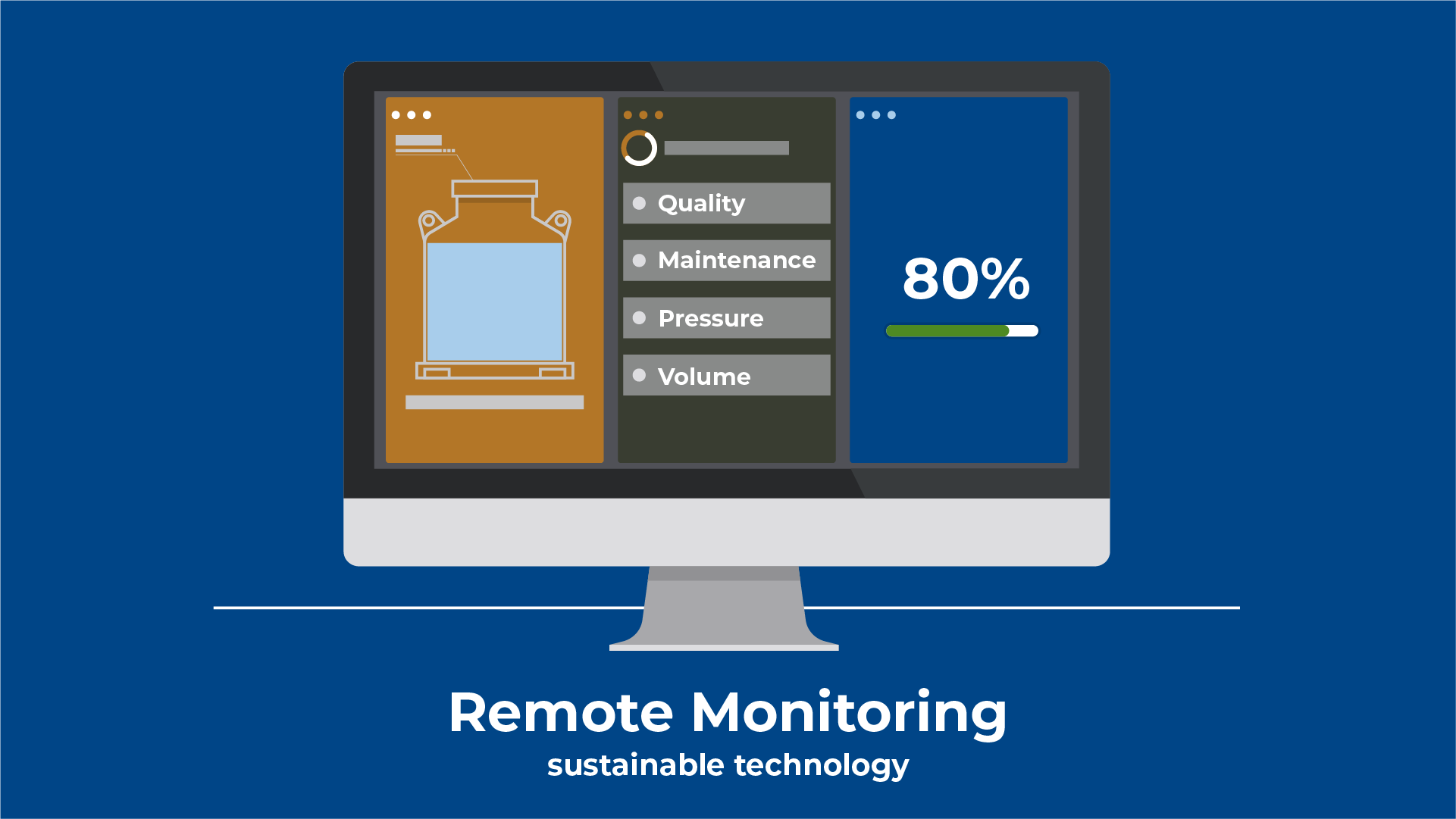
Remote monitoring supports performance tracking but does not replace structural inspection and recertification.
Integrating Maintenance with Long-Term Strategy
The 4-year odorant vessel inspection should not be viewed as an isolated event. It should be part of a broader asset management strategy that includes:
- Odorant vessel dryness certification
- Surface finish preservation
- Valve and component lifecycle tracking
- Smart monitoring data integration
- Recertification planning
When managed proactively, the odorant vessel maintenance cycle becomes predictable and efficient.
When managed reactively, it becomes disruptive and costly.
Final Thoughts
The odorant vessel 4-year maintenance cycle is one of the most important long-term controls in an odorization system. It protects structural integrity, supports odorant stability, and strengthens regulatory defensibility.
For senior engineers responsible for odorization infrastructure, the priority should be clear: plan early, document thoroughly, and integrate the odorant tank inspection schedule into long-term asset strategy.
If you are reviewing your 4-year odorant vessel inspection planning or need support coordinating inspection logistics, visit our odorant services page to learn more about available maintenance and recertification support.
If you have any odorant concerns or questions, we would be pleased to talk to you. Call 403.569.8566



.JPG)

