

Why Lloyd’s of London Odorant Vessel Inspection Matters for Natural Gas Safety
In odorization systems, safety is not defined by design alone. It is defined by verification.
Odorant vessels operate under pressure, contain chemically sensitive materials, and play a critical role in public safety. While engineering specifications and internal quality control processes are essential, independent validation adds another layer of confidence.
A Lloyd’s of London odorant vessel inspection provides third-party verification that a vessel meets strict fabrication, material, and safety standards. For organizations responsible for natural gas systems, this level of oversight supports both operational reliability and regulatory defensibility.
What a Lloyd’s Odorant Vessel Inspection Involves
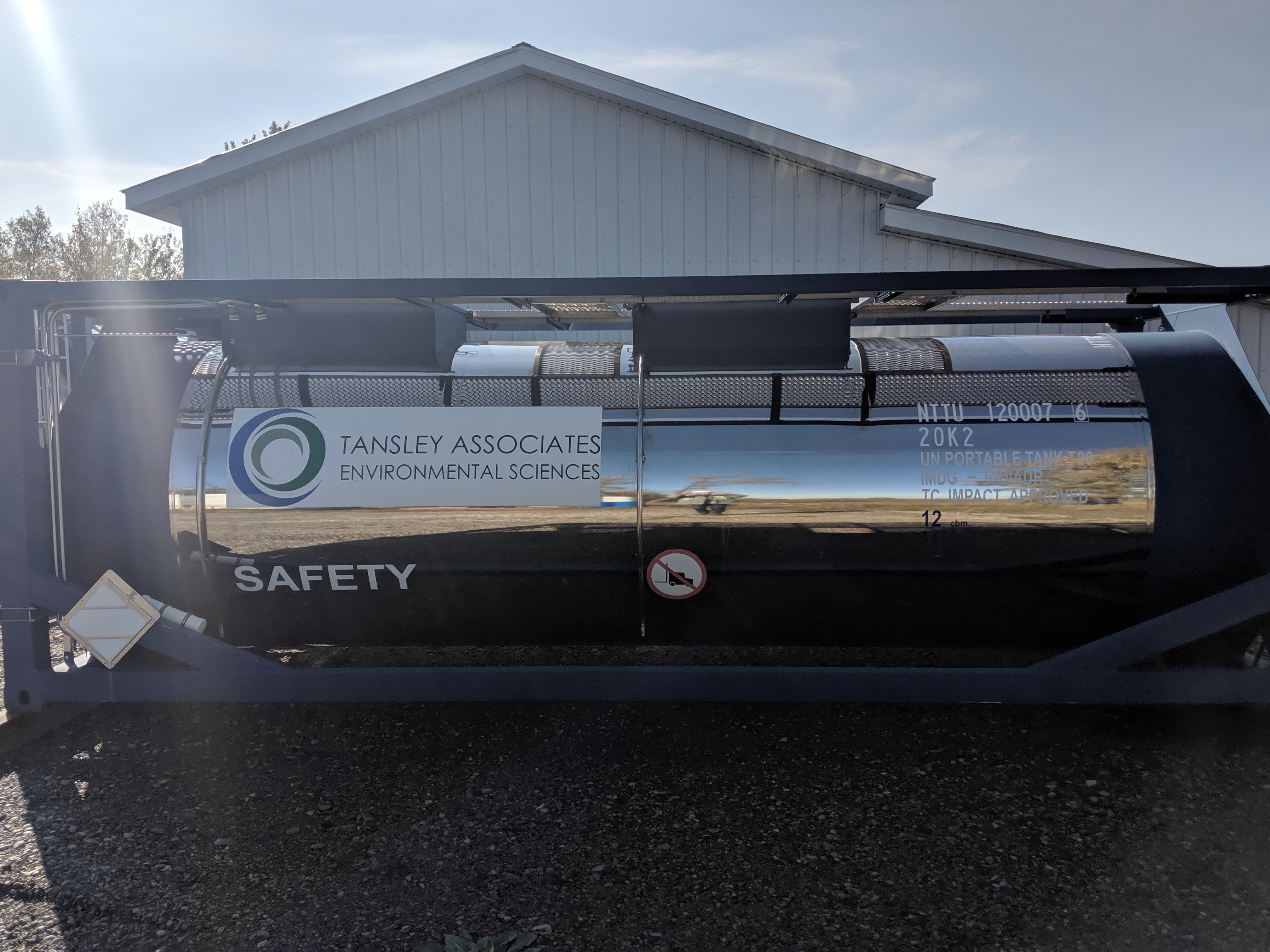
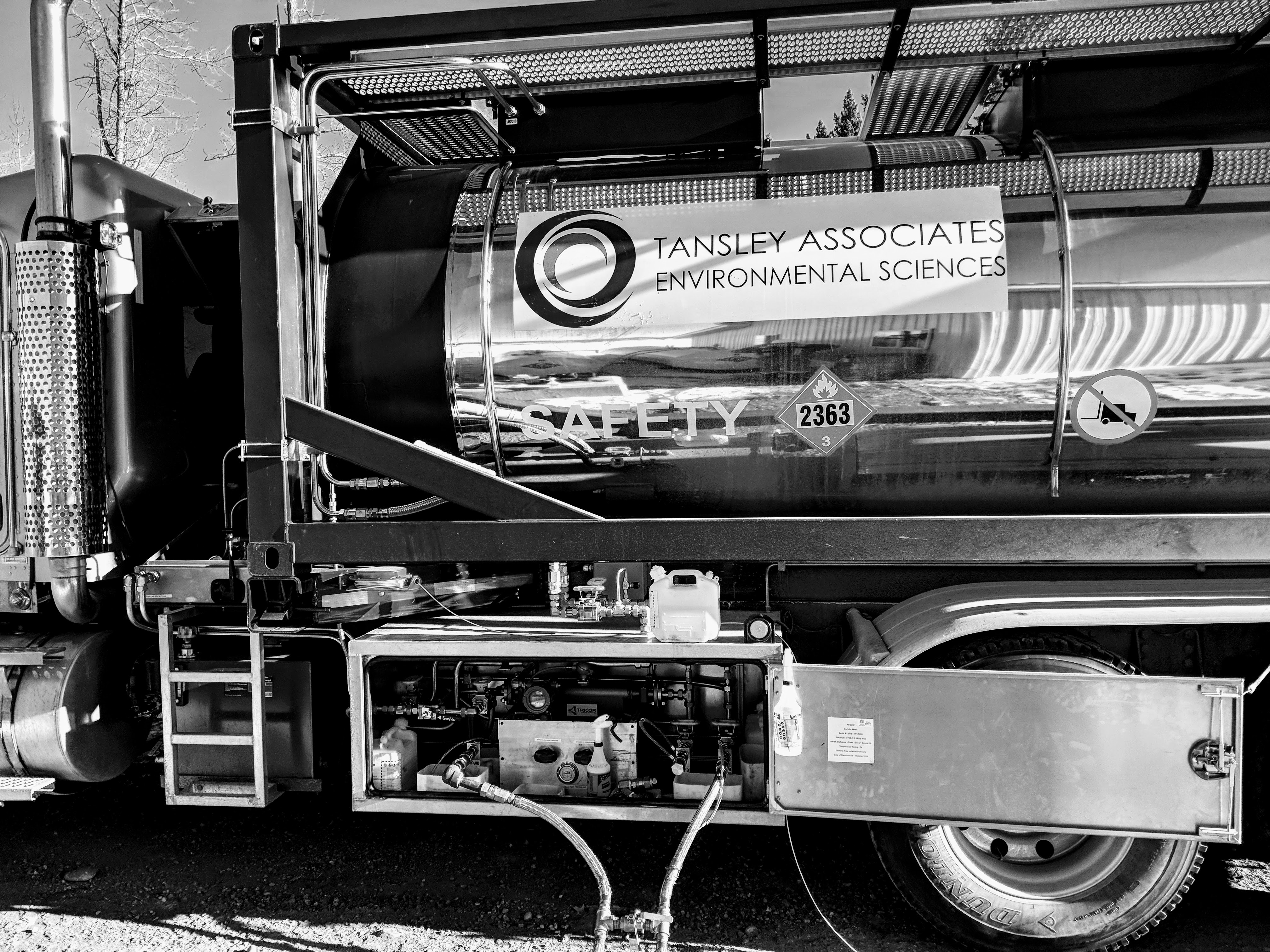
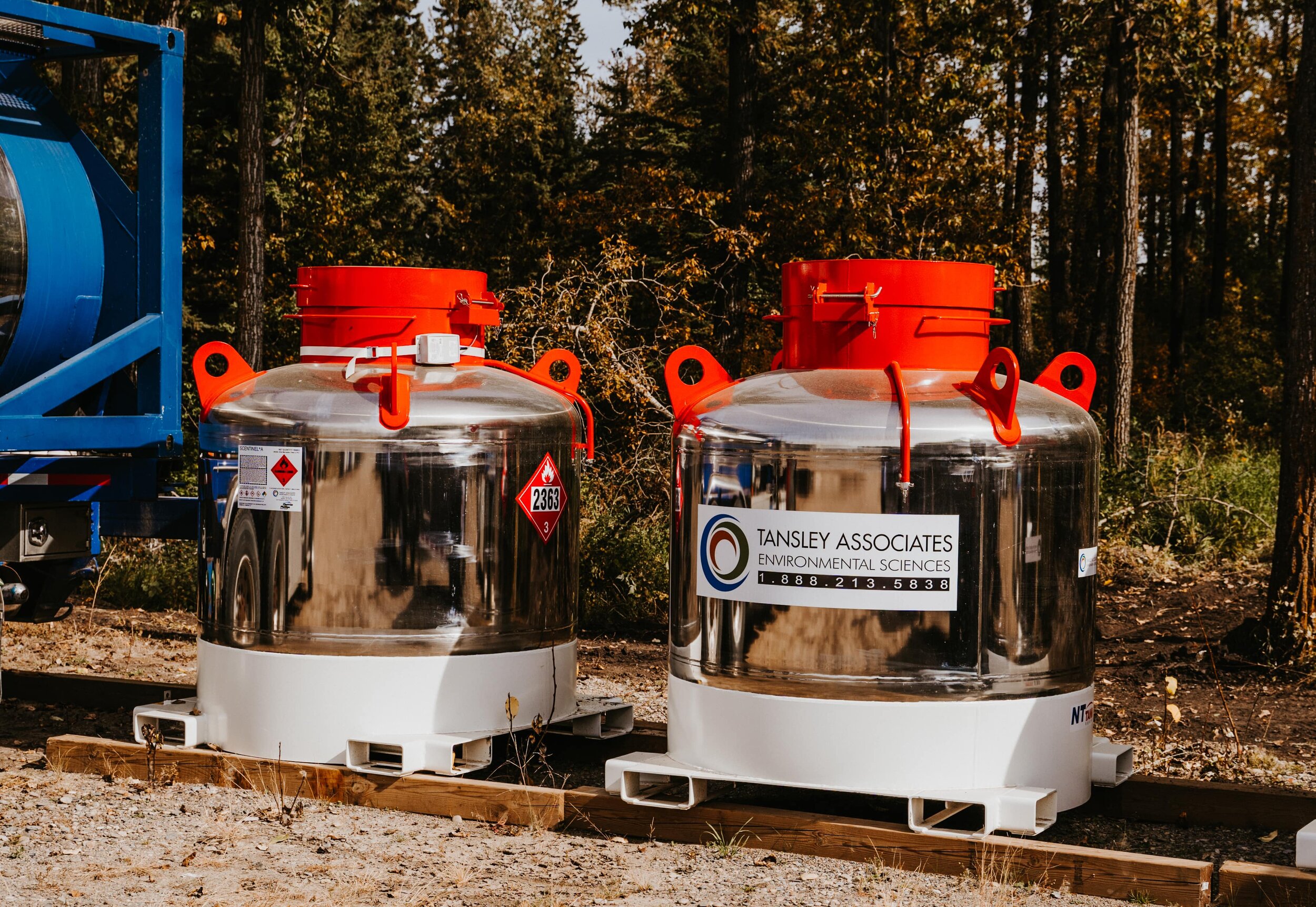
A Lloyd’s certified odorant vessel is inspected throughout the manufacturing and certification process. This is not a single inspection point. It is a structured process that verifies each stage of production.
Inspection typically includes:
- Material traceability and verification
- Welding procedure review and inspection
- Fabrication quality checks
- Pressure testing and structural validation
- Certificate of Dryness documentation review
Each step is independently reviewed, creating a documented record that the vessel meets required standards before it enters service.
What Verified Fabrication Looks Like in Practice
Inspection only matters if the underlying process meets a high standard. For odorant vessels, that begins with how they are built, finished, and verified before entering service.
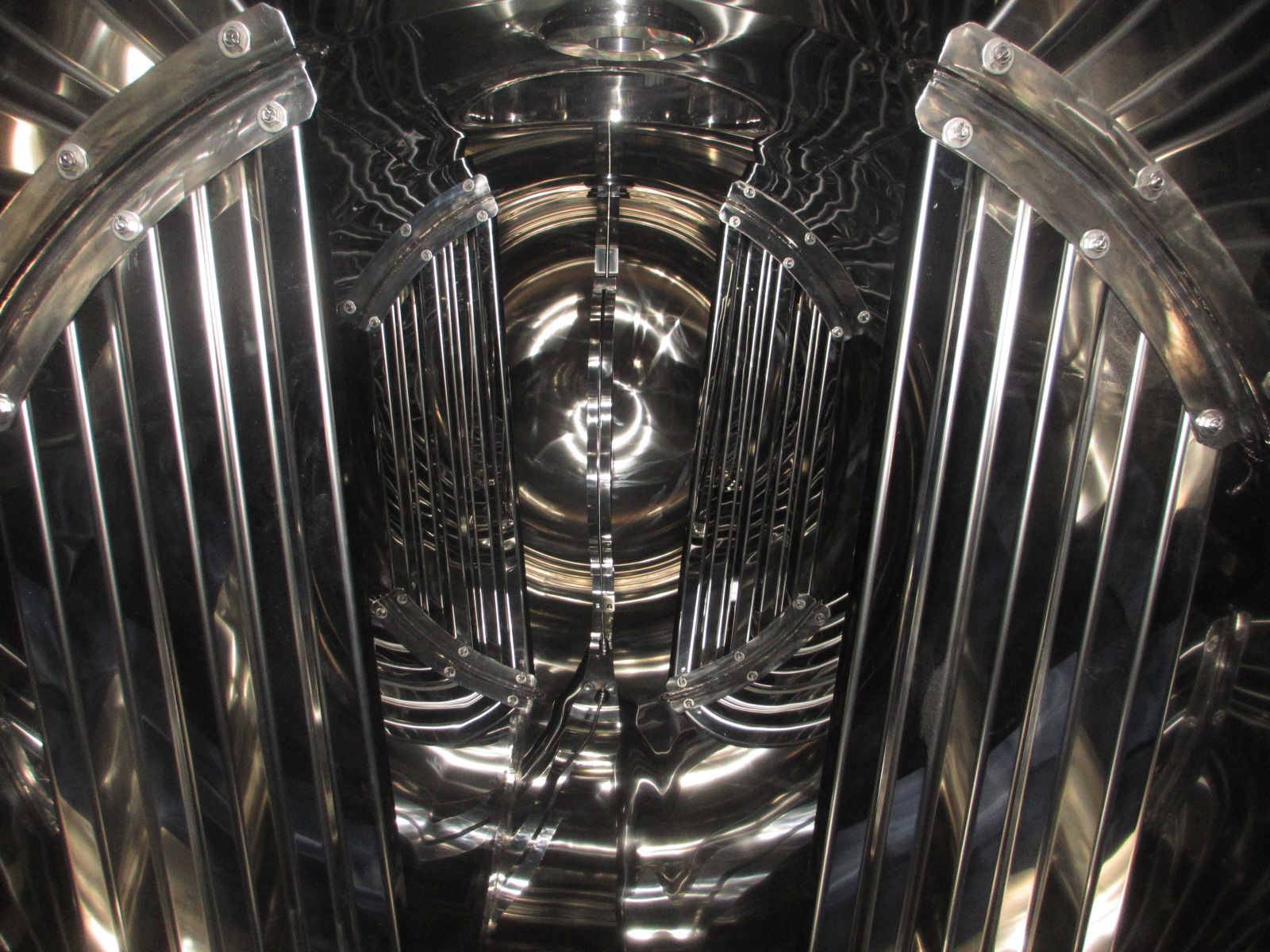
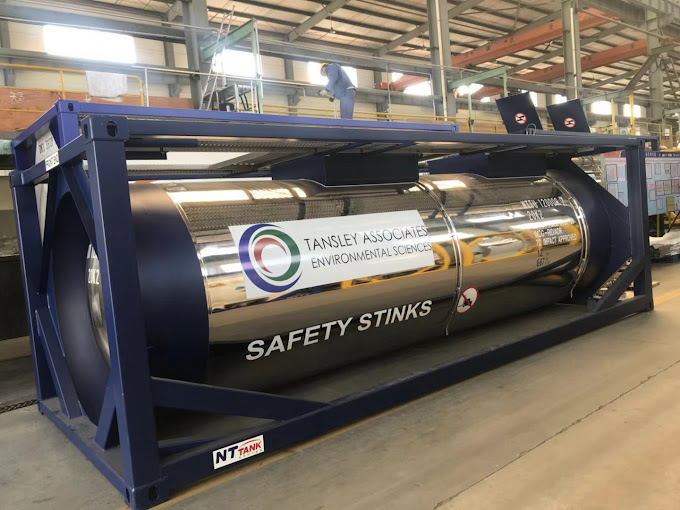
In Tansley’s process, vessel preparation goes beyond standard fabrication. Internal surfaces are mechanically refined through a mirror polishing process, where technicians physically enter the vessel to achieve a 0.2-micron finish. This level of surface control supports odorant stability, cleanability, and long-term performance.
Weld integrity is also critical. All vessel welds are inspected by Trimack Transport using non-destructive testing methods, including X-ray verification, to confirm structural consistency and eliminate hidden defects.
This fabrication process is then independently verified through third-party inspection. A Lloyd’s of London inspector reviews materials, weld procedures, testing results, and documentation before certification is issued. This ensures the vessel meets third-party validated standards, not just internal quality benchmarks.
Before entering service, the vessel is prepared for filling under controlled conditions, including drying and verification procedures that support the issuance of a Certificate of Dryness. This confirms the internal environment is suitable for odorant storage without introducing moisture-related risk.
Together, these steps define a complete verification process, from fabrication through certification and pre-fill readiness.
Why Third-Party Inspection Matters
Internal quality assurance processes are necessary, but third-party inspection introduces an additional level of accountability.
A Lloyd’s odorant vessel inspection helps:
- Confirm compliance with recognized standards
- Provide documented verification for audits
- Reduce uncertainty during procurement
- Support internal engineering validation
For senior engineers, third-party inspection strengthens reliability and reduces the risk of unexpected downtime.
Reducing Risk and Strengthening Liability Protection
In the event of an incident, documentation becomes critical. Engineering decisions, procurement standards, and certification records are all subject to review.
A vessel that has undergone third-party inspection provides an independent record that it met required standards at the time of manufacture. This distinction strengthens defensibility and reduces liability exposure.
Without this level of verification, organizations rely solely on internal documentation.
What to Look for in a Certified Odorant Vessel
When evaluating a Lloyd’s certified odorant vessel, engineering and procurement teams should confirm:
- Certification is issued by a recognized third-party authority
- Inspection includes fabrication stages, not just final testing
- Pressure testing and material verification are documented
- Certification records are complete and traceable
Inspection should be verifiable and documented, not assumed.
Integration with Modern Odorant Systems
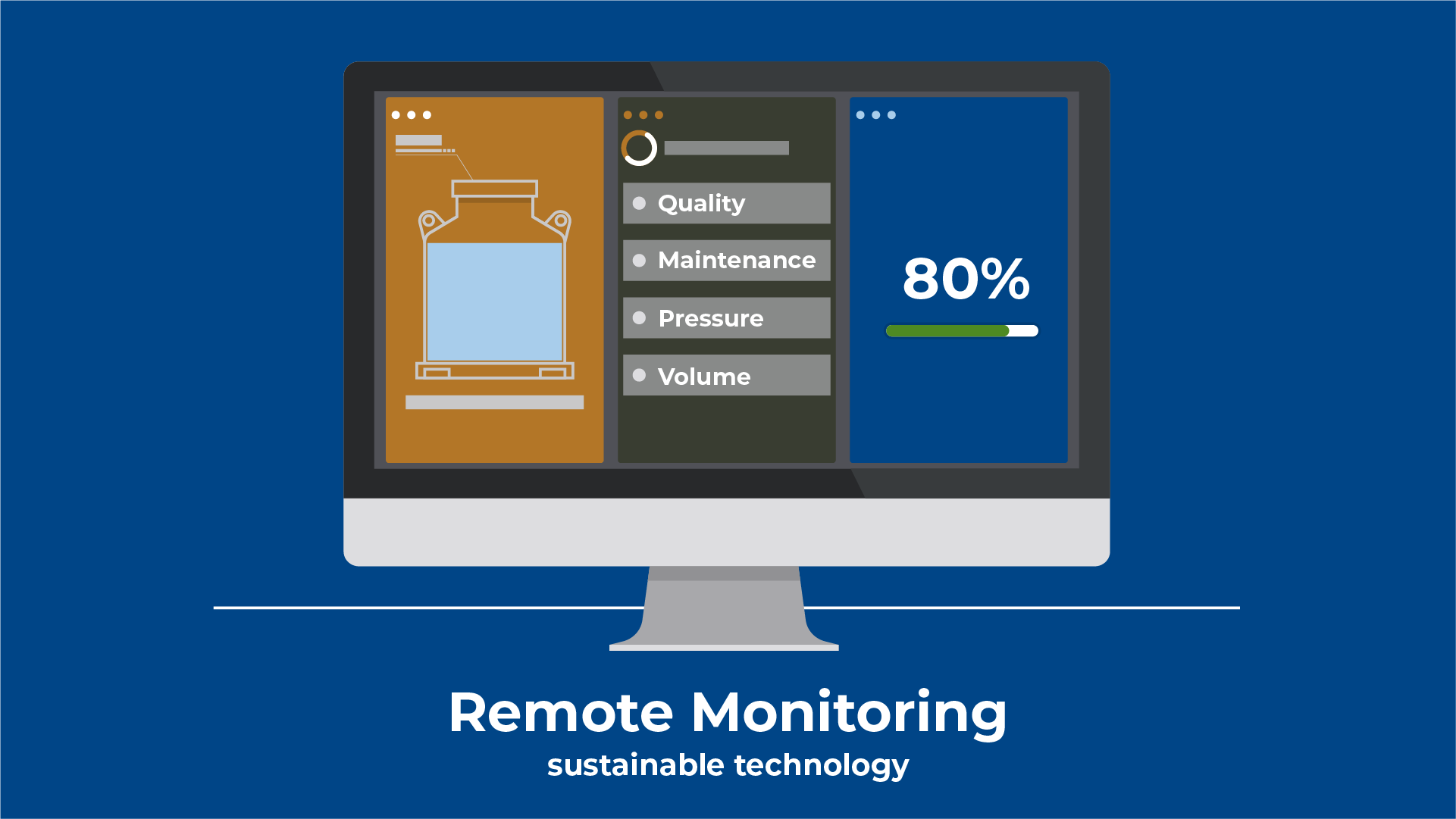
Third-party inspection is one part of a broader system approach. Modern odorant infrastructure combines verified vessel construction with monitoring and performance tracking.
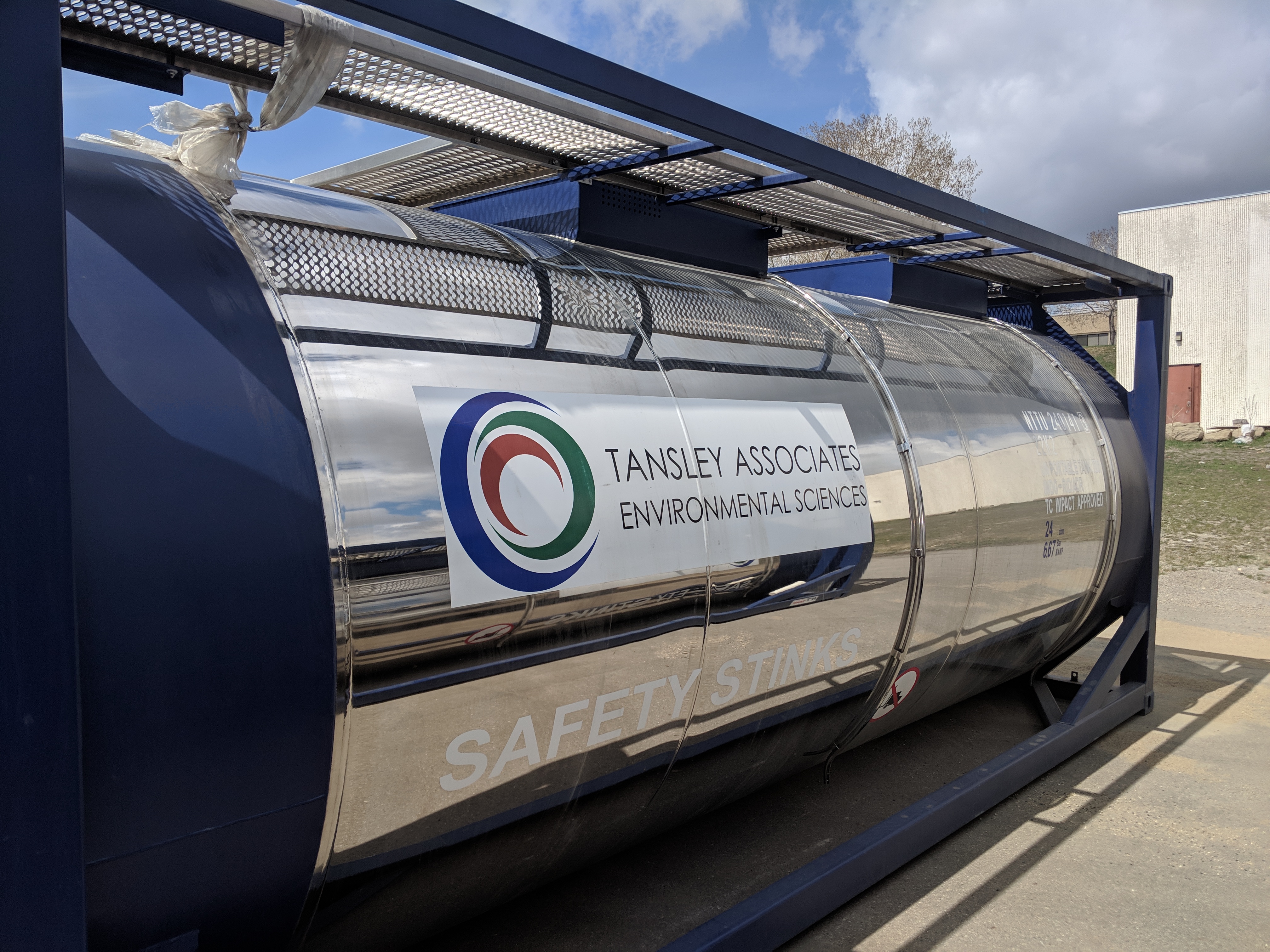
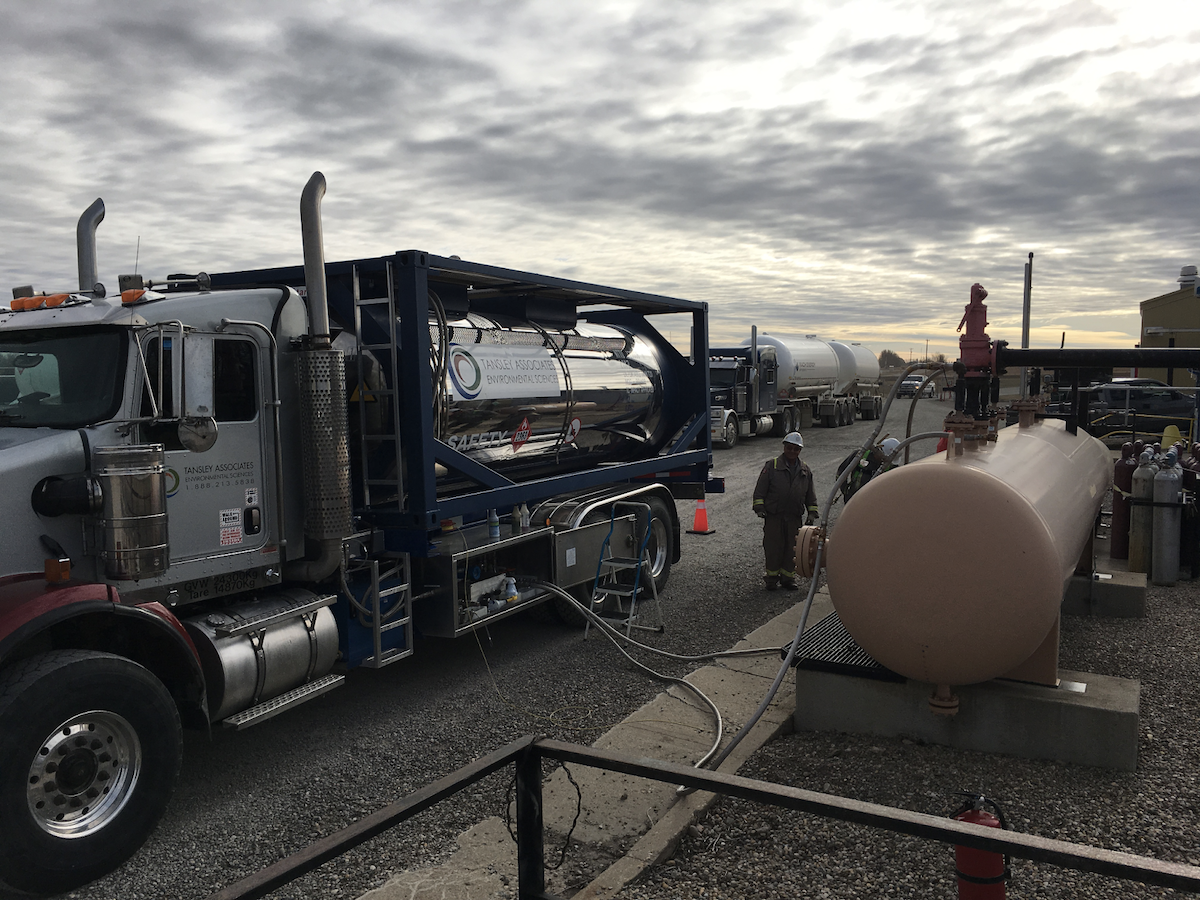
Tansley’s AI-enabled odorant vessels integrate certified construction with remote monitoring capabilities. These systems provide both structural verification and real-time operational visibility. Learn more about these systems on our AI vessels page.
Inspections confirm build quality. Monitoring confirms performance over time.
Strengthening Safety Through Independent Verification
Lloyd’s of London odorant vessel inspection provides a level of assurance that extends beyond internal quality control. It confirms that vessels meet recognized standards, supports compliance, and strengthens system reliability.
If you are reviewing odorant vessel specifications or evaluating procurement standards, now is the time to consider how third-party inspection fits into your process.
Ready to strengthen your odorant vessel standards? Contact Tansley Associates Environmental Sciences to learn more about certified vessel solutions and inspection requirements.
If you have any odorant concerns or questions, we would be pleased to talk to you. Call 403.569.8566



.JPG)

