

Radar Sensor Odorant Level Monitoring: Beyond Float Technology
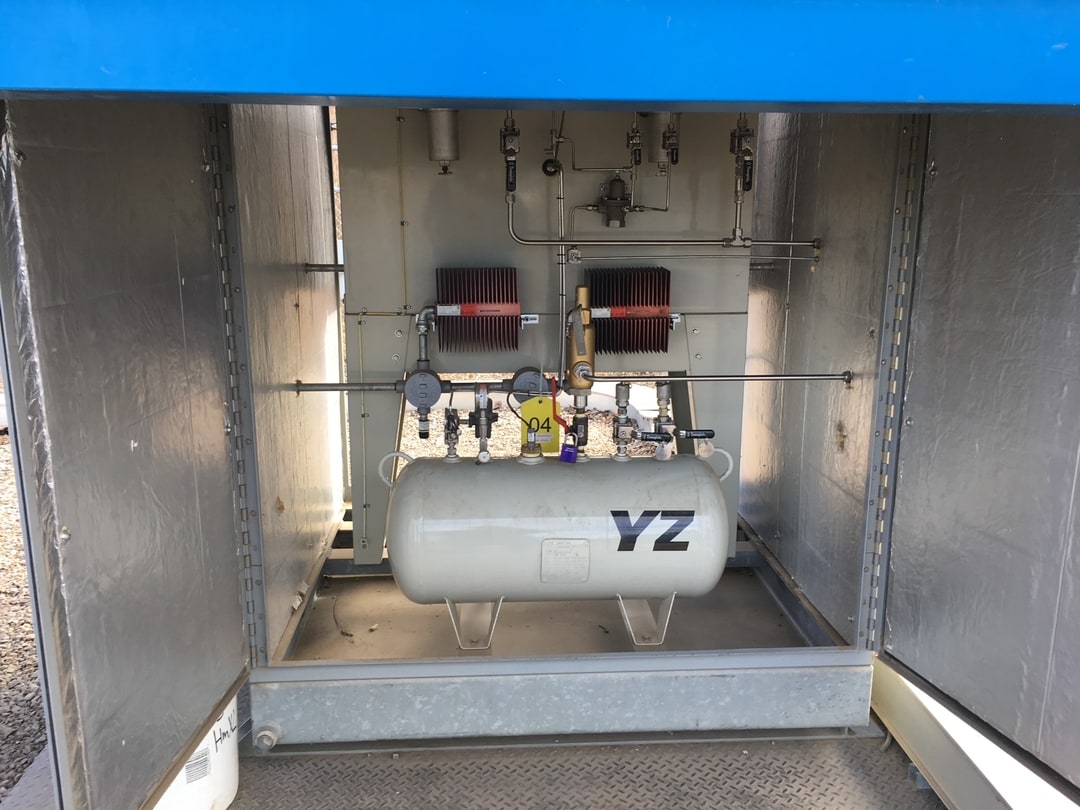
Accurate odorant level monitoring is essential for maintaining consistent injection and ensuring uninterrupted system performance across modern odorization systems. For many years, float-based systems have been widely used to measure odorant levels. While functional, these systems have limitations that become more noticeable as operational expectations increase.
Radar sensor odorant level monitoring offers a more advanced approach, improving measurement accuracy, reducing maintenance requirements while supporting modern AI-enabled odorant vessel systems.
How Float-Based Monitoring Works
Traditional float systems measure liquid level through mechanical movement. As the odorant level changes, a float rises or falls, translating physical movement into a reading.
While simple, these systems can be affected by:
- Mechanical wear over time
- Residue buildup or contamination
- Limited precision in certain conditions
- Ongoing maintenance requirements
In odorization systems where accuracy matters, these variables can introduce inconsistency.

How Radar Sensor Monitoring Works
Radar sensor odorant level monitoring uses electromagnetic signals to measure liquid level without direct contact.
A radar sensor emits a signal toward the odorant surface. The signal reflects back, and the system calculates the level based on signal travel time. This allows for continuous, non-contact measurement.
Advantages of Radar Sensor Odorant Level Monitoring
Radar-based systems provide several operational advantages:
- Non-contact measurement reduces contamination potential, supporting cleaner internal environments within odorant storage vessels
- Consistent accuracy across varying conditions
- Minimal mechanical wear
- Reduced maintenance requirements
- Reliable performance over time
For engineers responsible for system reliability, these benefits translate into more predictable operation and fewer maintenance interventions.

Operational Impact and Use Cases
Improved level monitoring supports more proactive system management and integration with broader odorant services and maintenance:
- Accurate inventory tracking
- Better refill planning
- Reduced manual inspection requirements
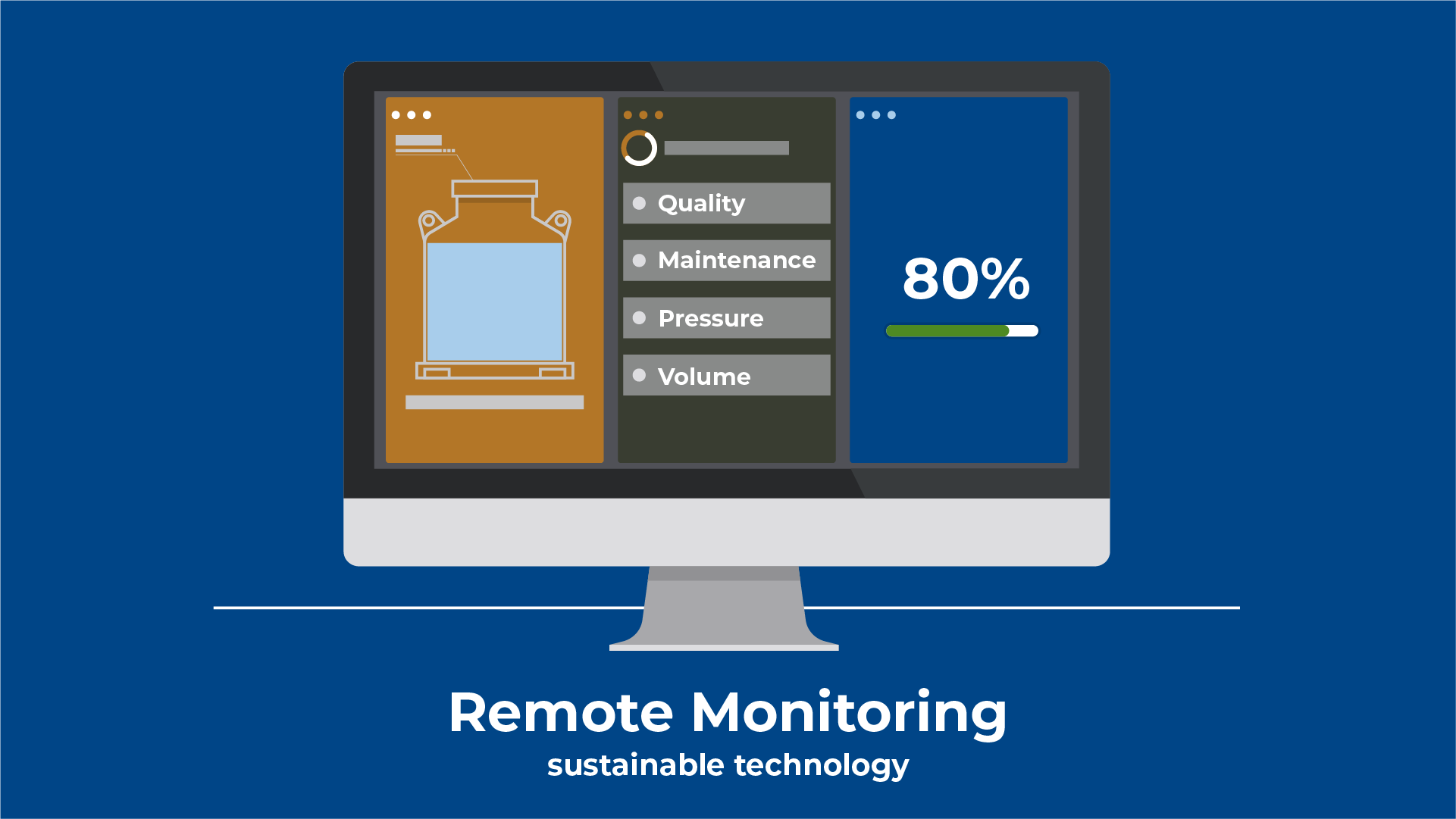
- Improved system visibility across multiple sites
Facilities operating across multiple locations benefit from centralized monitoring and reduced dependency on manual measurement.
Long-Term Value and System Efficiency
While radar systems may require a higher initial investment, they often reduce long-term operational costs.
Improved accuracy, reduced maintenance, and fewer site visits contribute to more efficient system management and align with structured odorant vessel maintenance cycles.
Moving Toward Smarter Odorant Level Monitoring
Accurate level measurement is a core requirement for consistent odorization. As systems evolve, the limitations of traditional measurement methods become more apparent.
Radar sensor odorant level monitoring provides a more reliable and lower-maintenance approach, giving operators greater confidence in system data and supporting verified conditions such as odorant vessel dryness.
Looking to improve how your system tracks odorant levels? Contact Tansley Associates Environmental Sciences to explore modern odorant monitoring solutions.
If you have any odorant concerns or questions, we would be pleased to talk to you. Call 403.569.8566



.JPG)

