

Vessel Breathing: Why a Fading Odor Smell Can Mean Hidden Leaks and Contamination
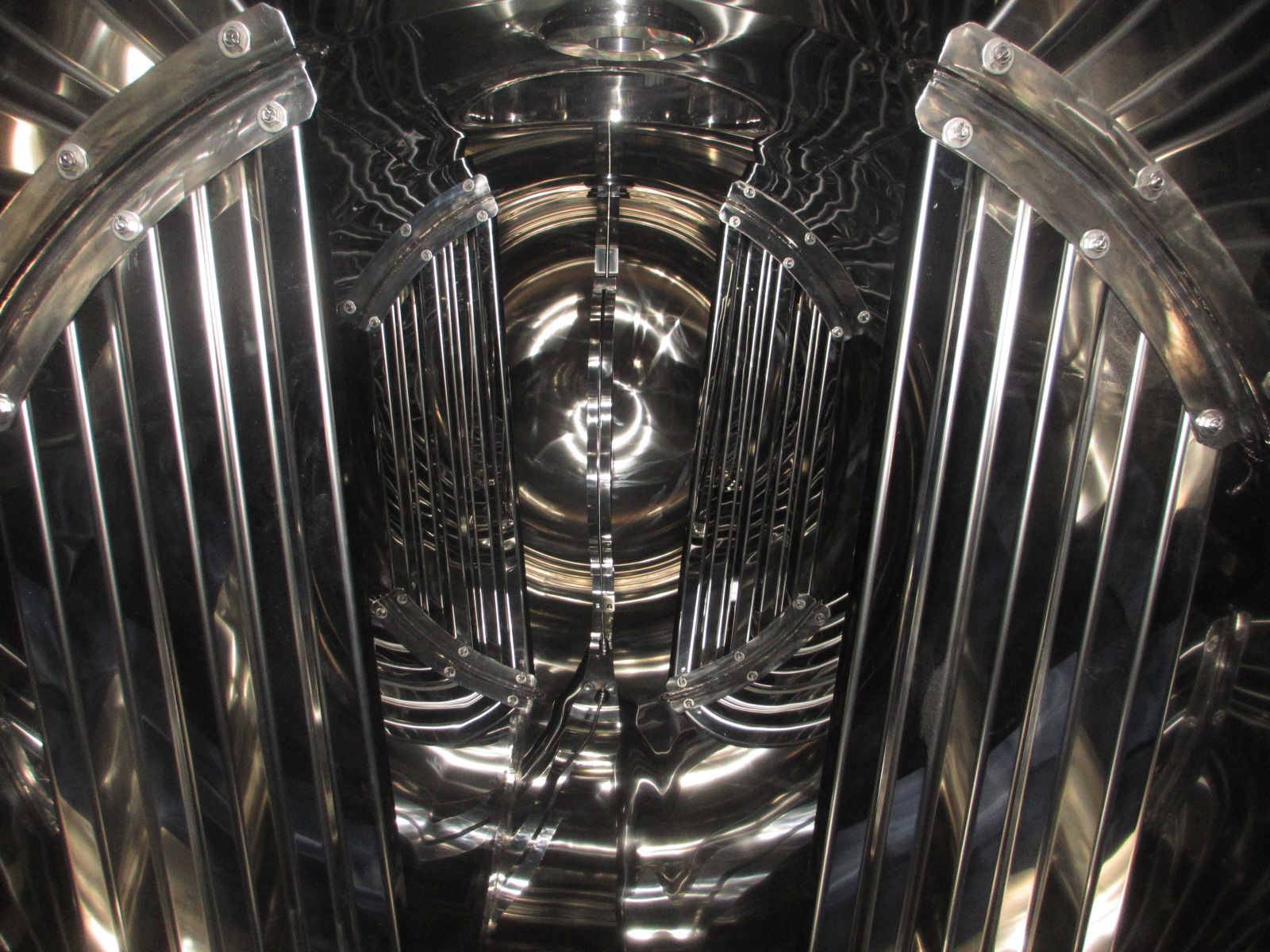
Natural gas odorization systems are designed to safely store and deliver odorant under controlled conditions. When operators detect the smell of mercaptan around an odorant vessel, the immediate assumption is often that a leak has occurred.
But what happens when that smell suddenly disappears?
In many cases, the fading odor creates a false sense of security. While the outward release of odorized vapour may have stopped, changing pressure conditions can allow outside air and moisture to enter the vessel through the very same pathway. This process, commonly known as vessel breathing, can introduce contamination that affects odorant quality long after the smell is gone.
Understanding how vessel breathing occurs helps utilities protect vessel integrity, reduce contamination risks, and maintain consistent odorization performance.
The Hot-Day / Cool-Night Cycle
Pressure changes occur continuously as ambient temperatures fluctuate throughout the seasons. During warm weather, increasing temperatures cause the odorant and vapour inside the vessel to expand, raising internal pressure. If a seal or fitting has been compromised, odorized vapour may be pushed outward.
As temperatures fall during cooler evenings, seasonal changes, or throughout the winter months, the opposite occurs. Internal pressure decreases, and the vessel may begin drawing outside air back through the same opening. Unless the leak is repaired, this breathing cycle can continue every time the vessel experiences pressure changes.
In other words, warm weather tends to push vapour out, while colder weather can continuously draw atmospheric air and moisture into the vessel until the leak or integrity issue is corrected. This repeated cycle is commonly referred to as vessel breathing.
Phase 1: Heat and Expansion
As temperatures increase, the odorant inside the vessel expands and internal pressure rises.
If there is even a minor pathway through a valve, fitting, gasket, or connection, odorized vapour may begin escaping from the vessel.
Because mercaptan is designed to be detected at extremely low concentrations, even a relatively small release can produce a noticeable smell around the storage area.
For many operators, this is the first indication that something requires attention.
Phase 2: Outbound Leak (You Smell It)
When odorized vapour escapes, the smell often becomes the primary focus.
Personnel may inspect the immediate area, tighten a fitting, or simply assume the issue has resolved once the smell disappears.
However, the absence of odor should never be interpreted as confirmation that the issue has resolved itself.
In many cases, the leak path still exists.
Only the pressure conditions have changed.
Phase 3: Cooling and the False "All Clear"
As temperatures continue to cool, whether overnight or during colder seasons, internal vessel pressure decreases. While the odor may disappear, the leak itself has not necessarily been corrected. Instead, the vessel may simply have transitioned from releasing vapour to drawing outside air inward.
Without the higher pressure pushing vapour outward, the smell around the vessel often disappears.
This is where vessel breathing becomes misleading.
The disappearance of odor frequently gives the impression that normal operating conditions have returned, when in reality the vessel may simply have stopped releasing vapour temporarily.
The underlying integrity issue can still remain.
Phase 4: Inbound Breathing (The Hidden Phase)
As the vessel continues to cool, internal pressure can drop below atmospheric pressure.
Instead of vapour moving outward, outside air may now be drawn into the vessel through the same opening that previously allowed odorized vapour to escape.
This inbound breathing process may introduce:
- Moisture
- Oxygen
- Airborne particulates
- Other environmental contaminants
Unlike the outbound leak, this stage typically produces no visible or detectable warning signs.
Because this phase often occurs without any noticeable odor, operators may incorrectly assume the problem has resolved itself. In reality, the vessel may continue drawing atmospheric air and moisture inside every time pressure drops until the seal or leak is repaired.
Phase 5: Contamination Without Odor
The greatest long-term concern is often not the vapour release itself.
It is what enters the vessel afterward.
Moisture and oxygen can affect the internal storage environment, while airborne contaminants may reduce odorant quality over time. Because these contaminants enter gradually, operators often don't realize the vessel has been compromised until changes in system performance or maintenance requirements begin to appear.
Because contamination develops internally, operators may have little indication that vessel breathing has occurred.
This is one reason why proactive inspection and regular preventative maintenance remain so important.
Why Vessel Integrity Matters
Preventing vessel breathing starts with maintaining vessel integrity throughout the entire service life.
This includes:
- Properly maintained seals and fittings
- Certificate of Dryness verification before filling
- Scheduled vessel inspections
- Routine maintenance programs
- Remote monitoring of vessel performance
- Planned vessel exchange cycles
Each layer of protection helps reduce opportunities for contamination while supporting long-term odorant quality.
No single procedure eliminates every risk. Instead, multiple controls work together to maintain a stable storage environment.
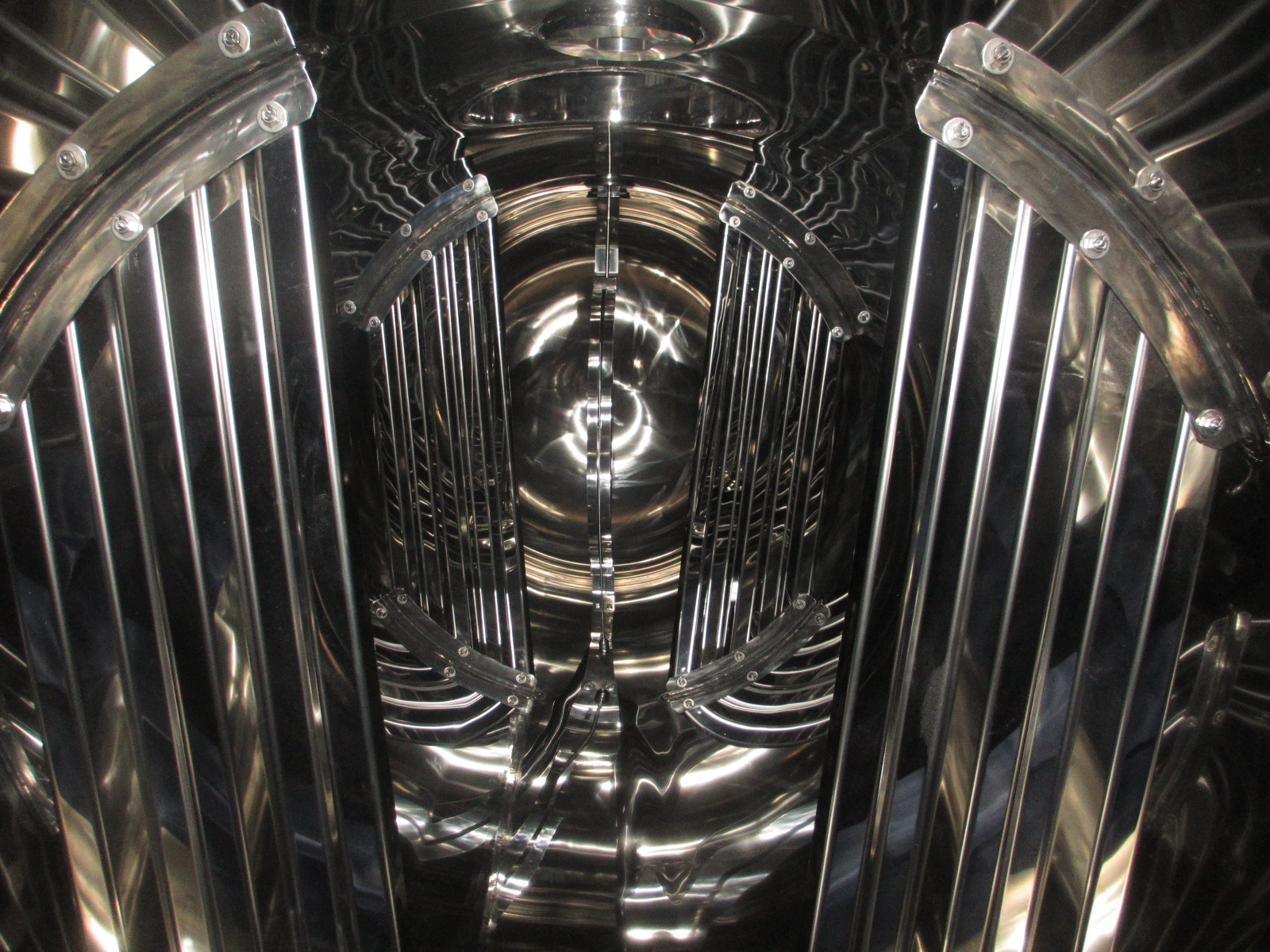
What Utilities Should Do When Vessel Breathing Is Suspected
If operators notice an unexplained odor event around an odorant vessel, the investigation should extend beyond simply locating the leak.
Questions worth asking include:
- Has vessel integrity been compromised?
- Could outside air have entered the vessel?
- Is moisture now present inside the vessel?
- Are inspection and maintenance records current?
- Does monitoring data show unusual operating trends?
Addressing these questions early can help prevent contamination from developing into a larger operational issue.
Smell the Leak. Plan for Vessel Integrity.
A fading odor should never automatically be considered good news.
In some situations, it simply marks the transition from outward vapour release to inward vessel breathing.
Understanding this process helps utilities look beyond the immediate smell and focus on protecting the vessel itself. Through proper inspection, maintenance, monitoring, and lifecycle planning, operators can reduce contamination risks while maintaining reliable odorization performance for years to come.
If you're evaluating your odorant vessel maintenance program or reviewing vessel integrity across your odorization system, explore our odorant services to learn how Tansley supports vessel inspections, maintenance, and long-term lifecycle management.
If you have any odorant concerns or questions, we would be pleased to talk to you. Call 403.569.8566






.JPG)

