Iron Sulfide in Odorant Vessels: Why FeS Scale Is a Utility Liability
Iron sulfide, commonly referred to as FeS, can create serious challenges in equipment exposed to sulfur-containing compounds. In odorant storage service, its presence deserves particular attention because iron sulfide deposits can affect vessel condition, complicate maintenance, and create additional hazards when equipment is opened or removed from service.
For natural gas utilities, the issue is not simply whether scale exists inside an odorant vessel. It is understanding what that scale may contain, how it formed, and how it should be handled during inspection, cleaning, maintenance, and eventual decommissioning.
It also raises a broader question about odorant quality. Changes inside a vessel are not always visible during normal operation, making the condition of the storage environment an important part of long-term odorant management.
That makes iron sulfide in odorant vessels an integrity, product quality, and lifecycle management issue, not simply a cleaning problem.
What FeS Is in Odorant Storage Service
Iron sulfide is formed through reactions between sulfur compounds and iron.
Natural gas odorants commonly contain sulfur-based compounds, which means the storage environment requires careful consideration of material compatibility, internal vessel condition, moisture, and contamination.
Over time, deposits and scale can develop where conditions allow reactions to occur at the vessel's internal surface.
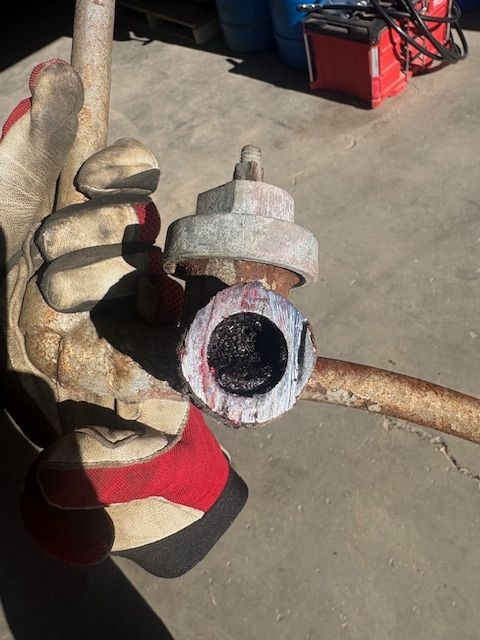
Certain iron sulfide deposits can be pyrophoric, meaning they may generate heat and potentially ignite when exposed to oxygen under specific conditions. However, the presence of iron sulfide does not automatically mean ignition will occur when a vessel is opened.
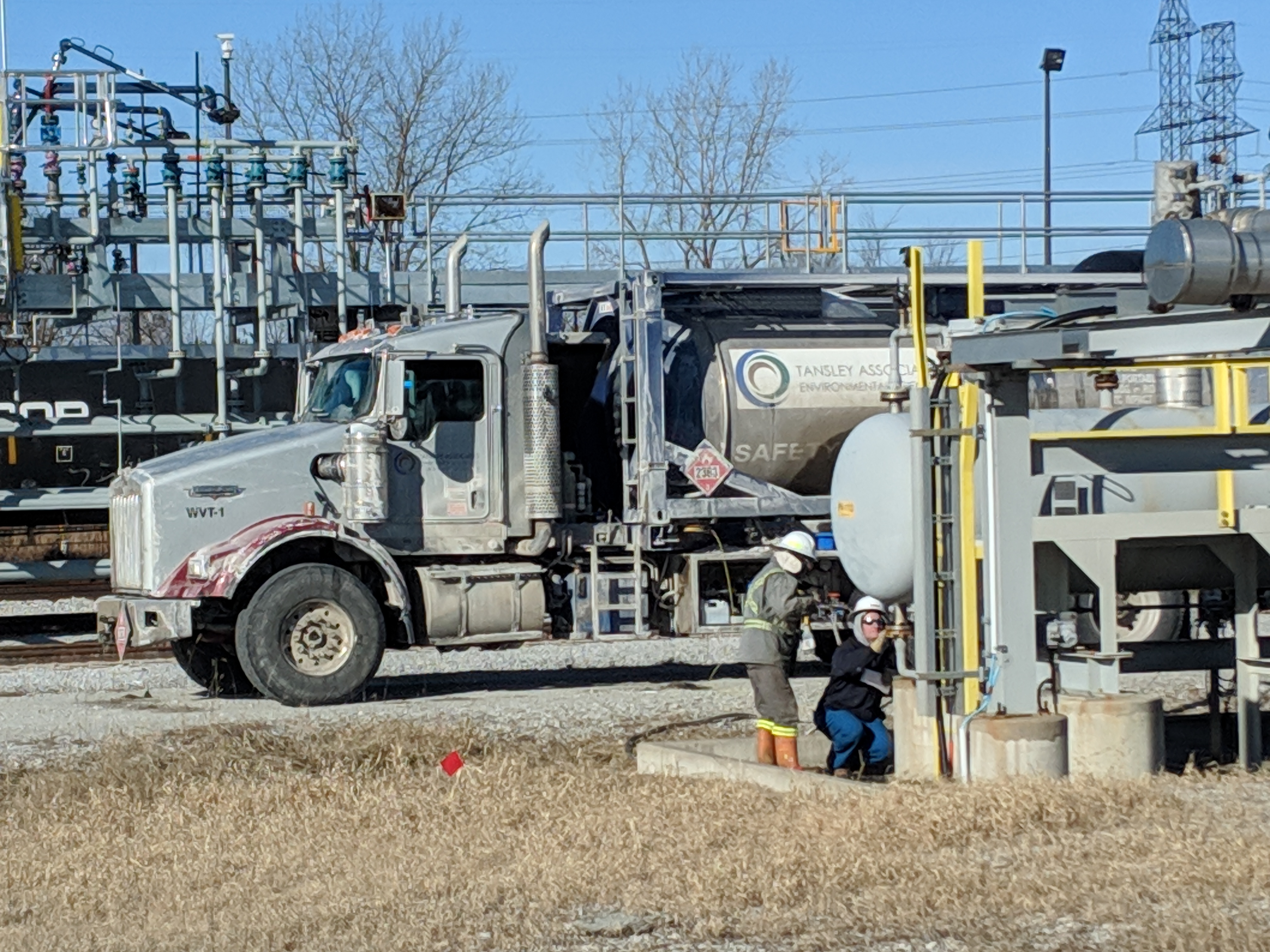
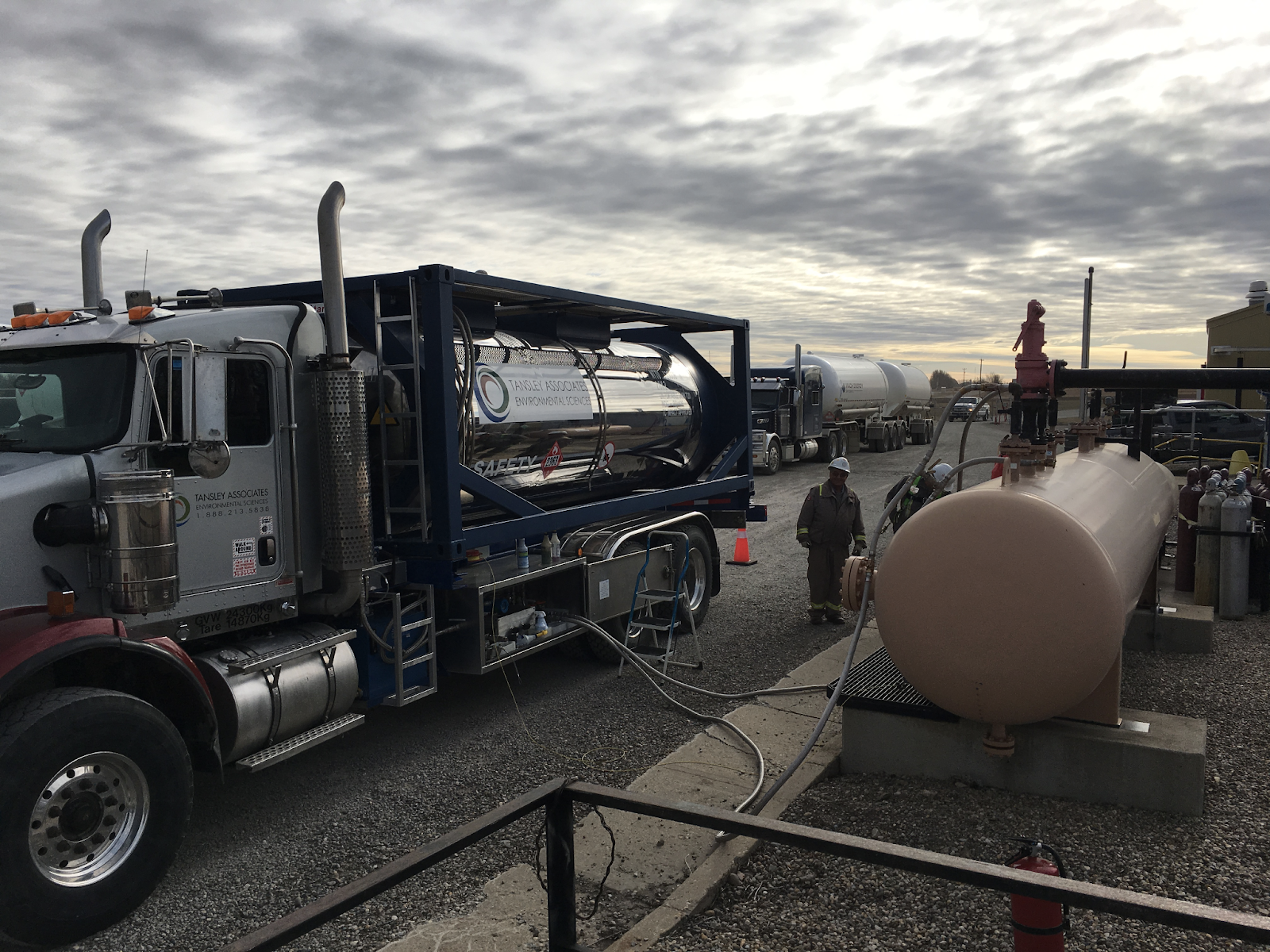
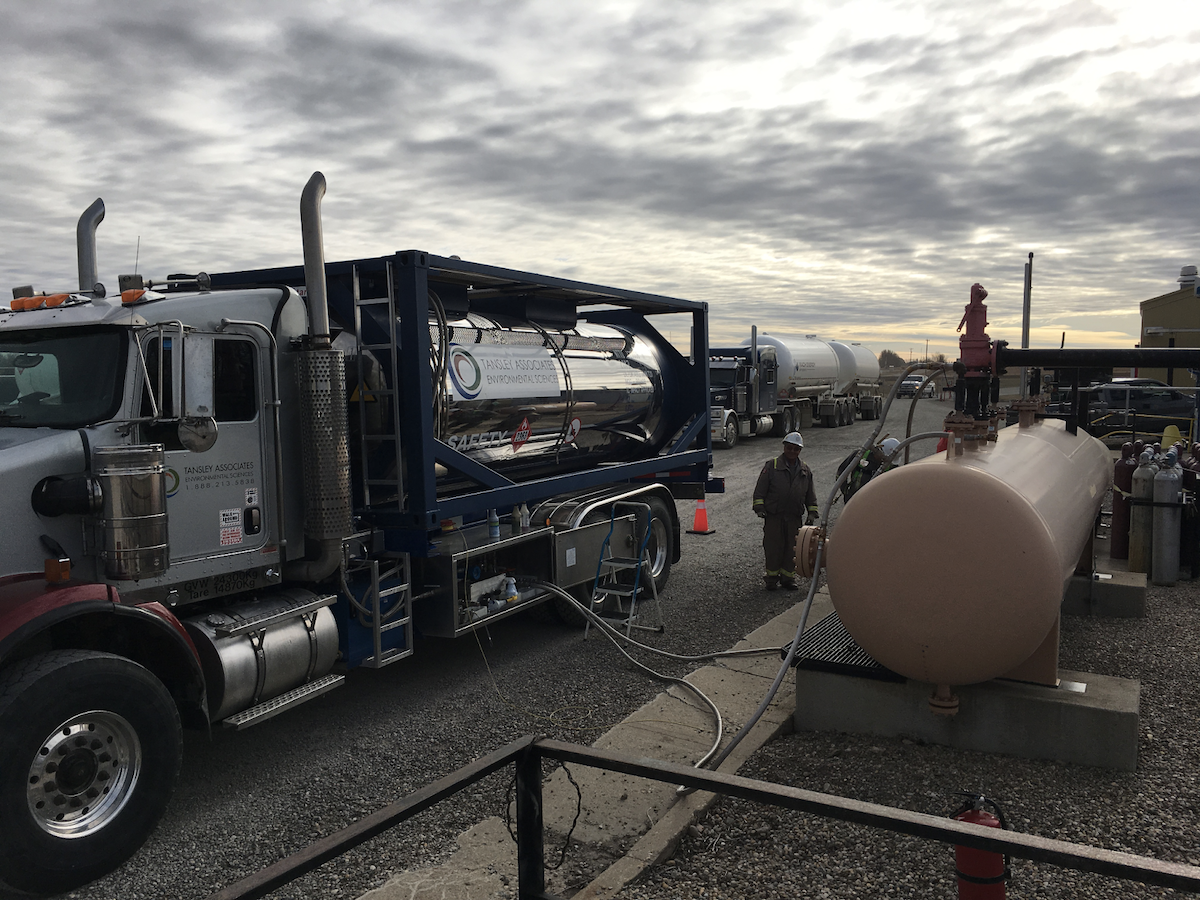
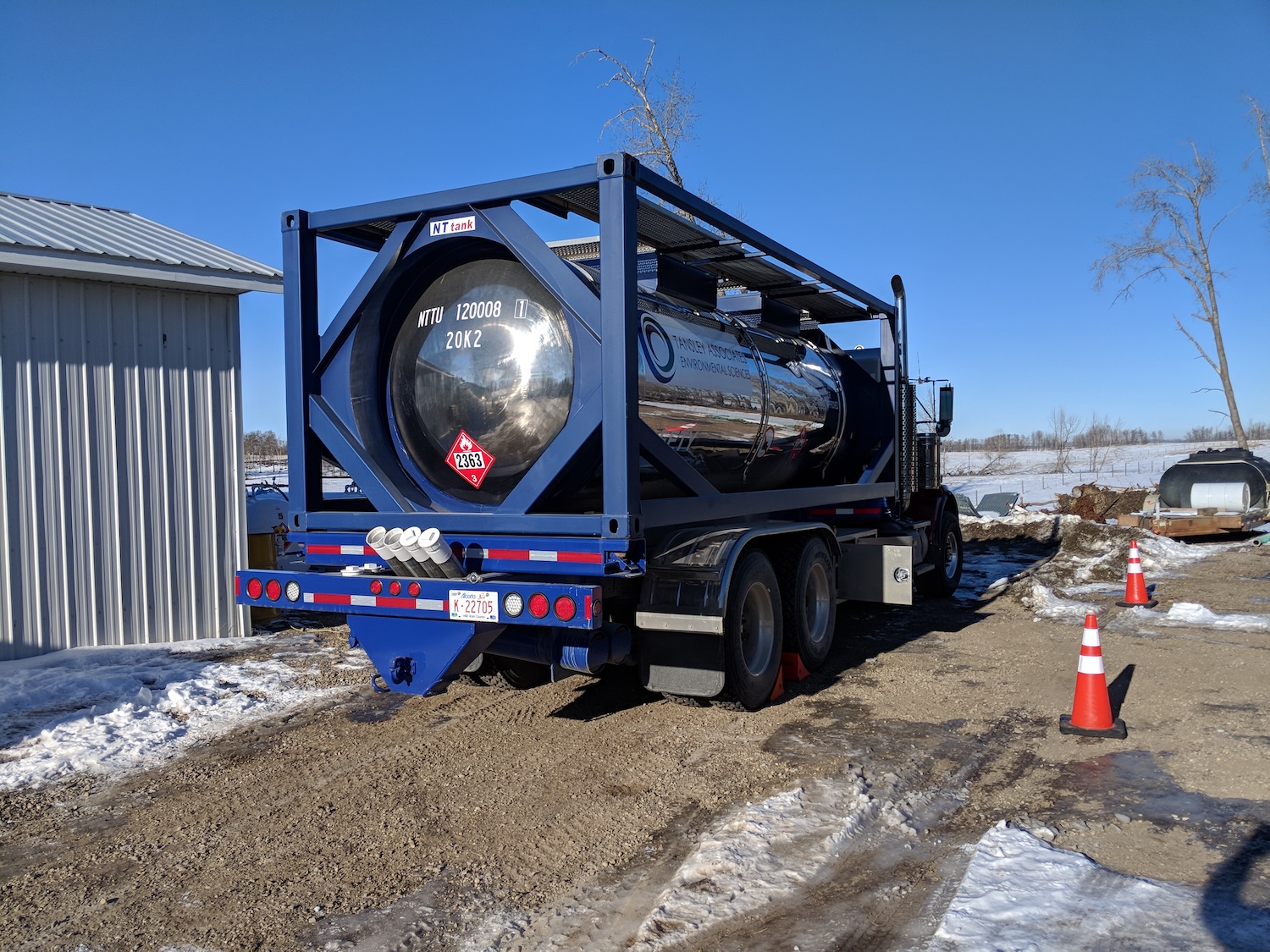
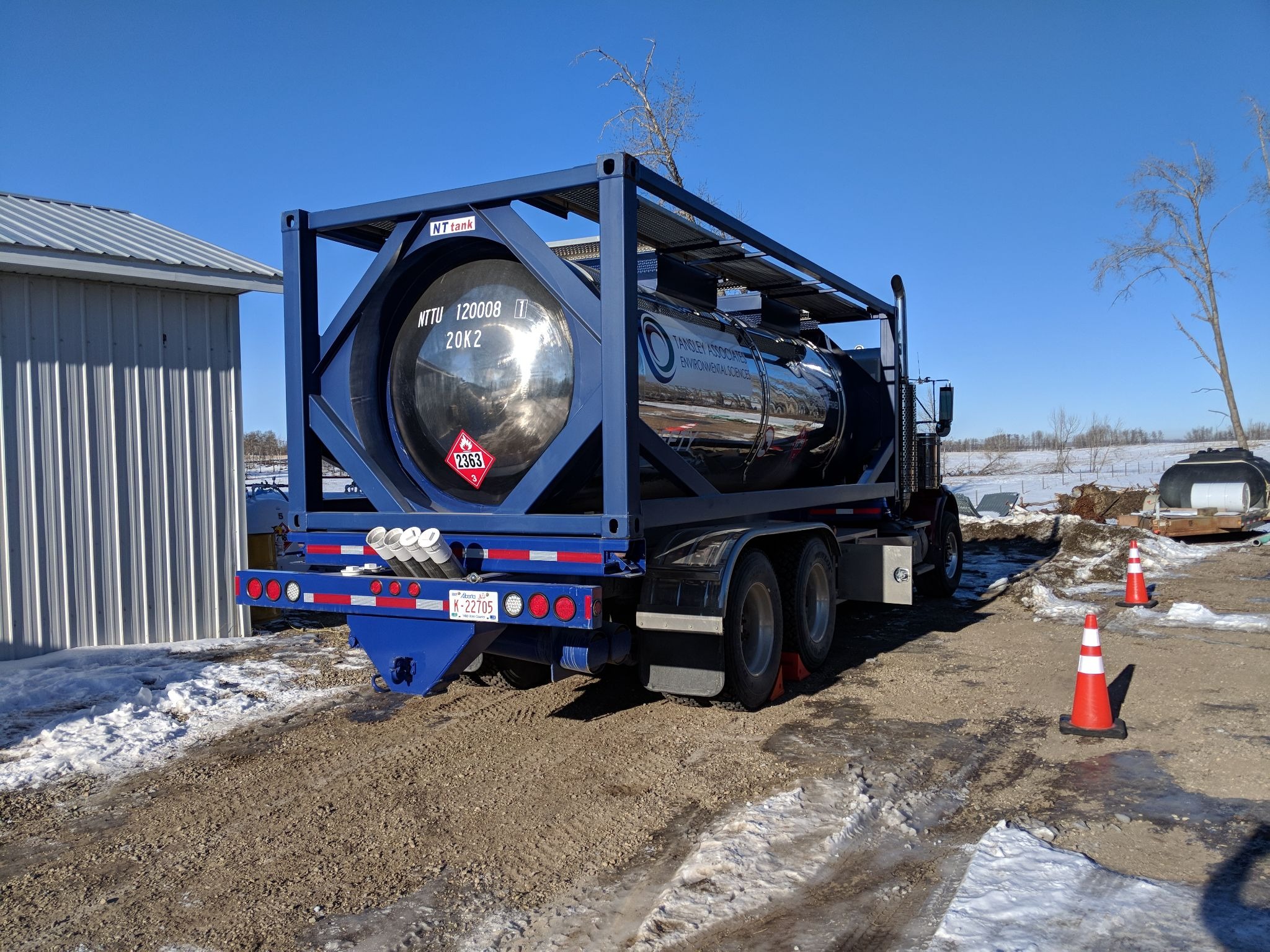
Tansley routinely opens and services odorant vessels as part of its maintenance and decommissioning operations. Pressure management, controlled handling procedures, and an understanding of the vessel's internal condition are important considerations when evaluating potential hazards associated with deposits and residual materials.
How Iron Sulfide Scale Forms in Odorant Vessels
The development of FeS scale is influenced by the interaction between the stored product, the vessel's internal surface, moisture, contaminants, and operating conditions.
Moisture deserves particular attention. Moisture can enter an odorant vessel through several pathways, including vessel preparation, filling and maintenance practices, the gas used for pressurization, and air entering through compromised seals or fittings. Our guide to odorant pressure vessel contamination looks more closely at how these contaminants can enter the storage environment.
A vessel experiencing vessel breathing may repeatedly draw atmospheric air and moisture inside as temperatures and internal pressures change.
The condition of the vessel interior also plays a role. Rough or contaminated internal surfaces provide more opportunity for deposits and residue to accumulate and can make effective cleaning more difficult.
For utilities, the important point is that FeS scale should be considered in the context of the entire storage environment. Moisture control, vessel integrity, internal surface condition, maintenance practices, material selection, and odorant quality all contribute to understanding what is happening inside the vessel.
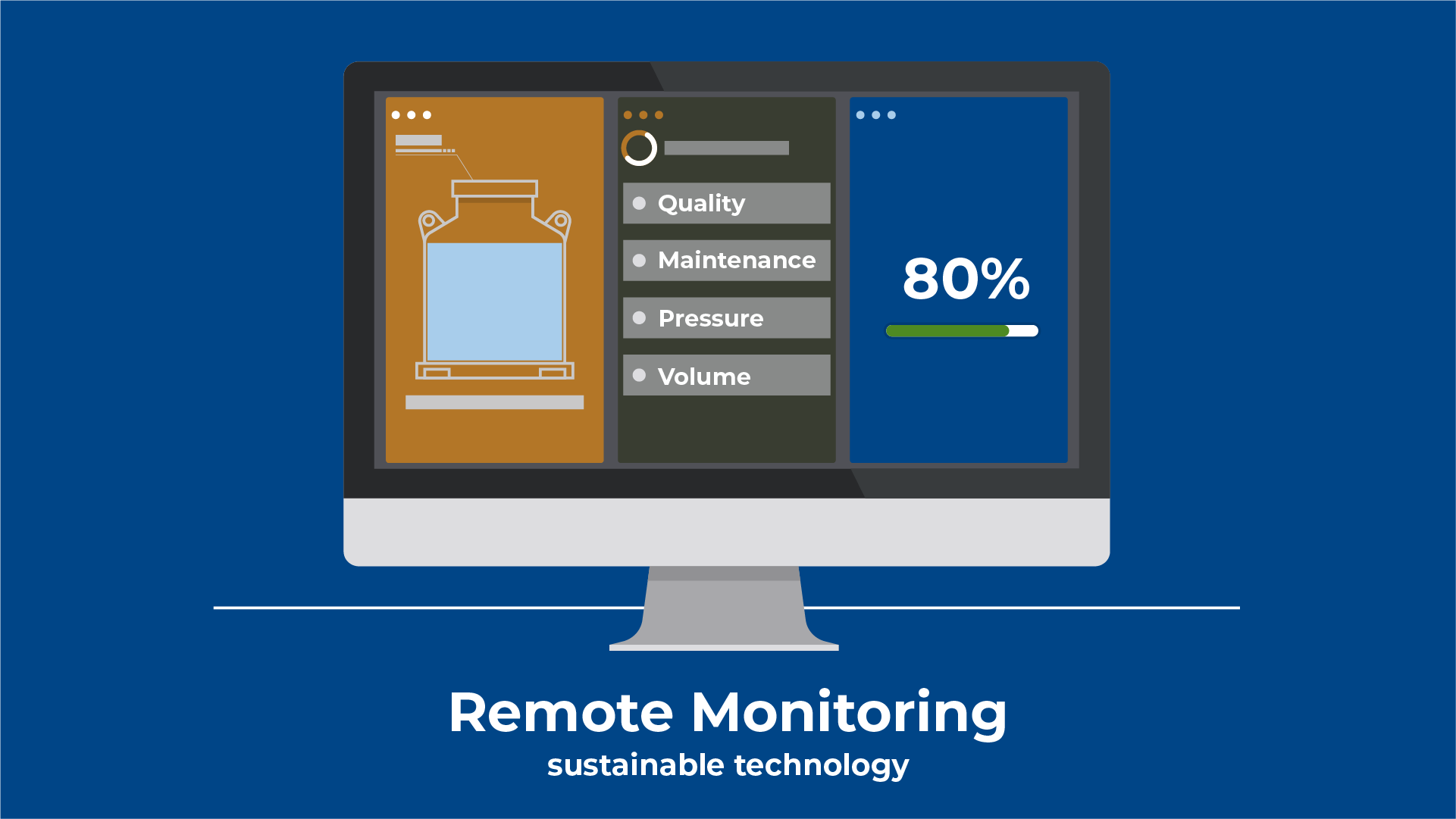
Continuous odorant quality monitoring could provide another layer of visibility into these conditions. Rather than relying only on periodic checks, inline monitoring has the potential to help identify changes in odorant quality or operating performance that warrant further investigation.
Why FeS Is an Inspection, Maintenance, and Decommissioning Hazard
Iron sulfide becomes especially important when the normal operating environment of the vessel changes.
While a vessel remains closed, deposits inside it exist within a controlled environment. Opening that vessel for inspection or maintenance introduces atmospheric oxygen.
If pyrophoric iron sulfide is present, that change in conditions can create a hazard that maintenance teams need to anticipate before work begins.
The same consideration applies when a vessel reaches the end of its service life.
Odorant vessel decommissioning already requires specialized handling because residual odorant and vapours must be managed appropriately. Potential FeS deposits add another consideration when equipment is opened, cleaned, transported, deodorized, or prepared for recycling.
This is why an odorant vessel should never be treated as simply an empty pressure vessel once the liquid product has been removed.
Our guide to odorant vessel decommissioning and deodorization considerations looks more closely at the planning required when odorant equipment is permanently removed from service.
A real-world example: The Midland Resource Recovery explosions
In 2017, two explosions involving natural gas odorizer equipment at Midland Resource Recovery (MRR) in West Virginia resulted in three fatalities. The incidents occurred during chemical deodorization work and subsequent investigation of treated equipment.
The U.S. Chemical Safety Board found that uncontrolled chemical reactions and inadequate hazard identification contributed to the incidents. Although the explosions were not attributed specifically to iron sulfide, they demonstrate the importance of understanding residual materials and potential chemical reactions before maintenance or decommissioning begins.
What Integrity Teams Should Demand in Specs and Records
Managing FeS risk starts well before a maintenance team opens a vessel.
Engineering and integrity teams should understand how the vessel was constructed, what has been stored in it, how it has been maintained, and what conditions may have developed internally during its service life.
Relevant records can include:
- Vessel construction and material specifications
- Internal surface specifications
- Weld inspection documentation
- Inspection and recertification history
- Cleaning and maintenance records
- Dryness verification before filling
- Known contamination or moisture events
- Seal, fitting, or integrity issues
- Service and operating history
- Previous internal inspection findings
- Odorant quality monitoring data, where available
This information gives maintenance teams a better understanding of the vessel they are preparing to service.
Utilities should also consider what information is available between scheduled inspections. Level monitoring provides visibility into how much odorant remains in the vessel and how consumption is changing, while continuous gas quality monitoring focuses on the condition of the odorant itself. Combined with vessel records and inspection history, this information can provide a more complete picture of the storage environment over time.
A documented maintenance program also makes it easier to identify changes between service cycles rather than evaluating each inspection without historical context.
Tansley's 4-year odorant vessel maintenance cycle provides a structured opportunity for inspection, maintenance, cleaning, drying verification, recertification, and technology upgrades.
How Material and Interior Finish Reduce FeS Risk
Pressure vessel design can help address the conditions that allow contamination and deposits to develop.
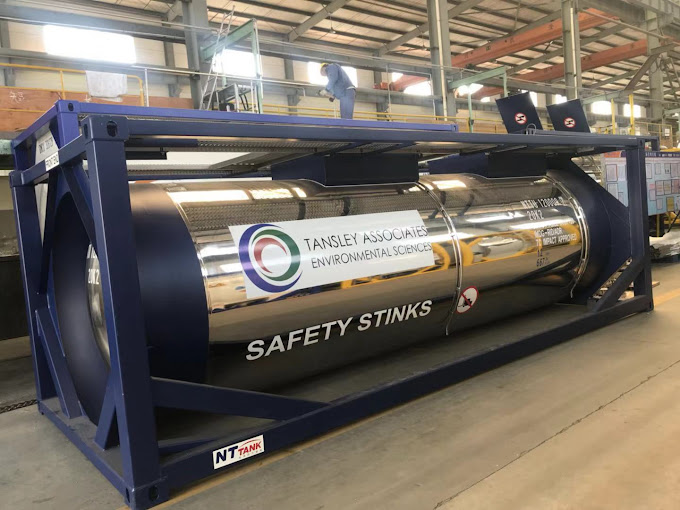
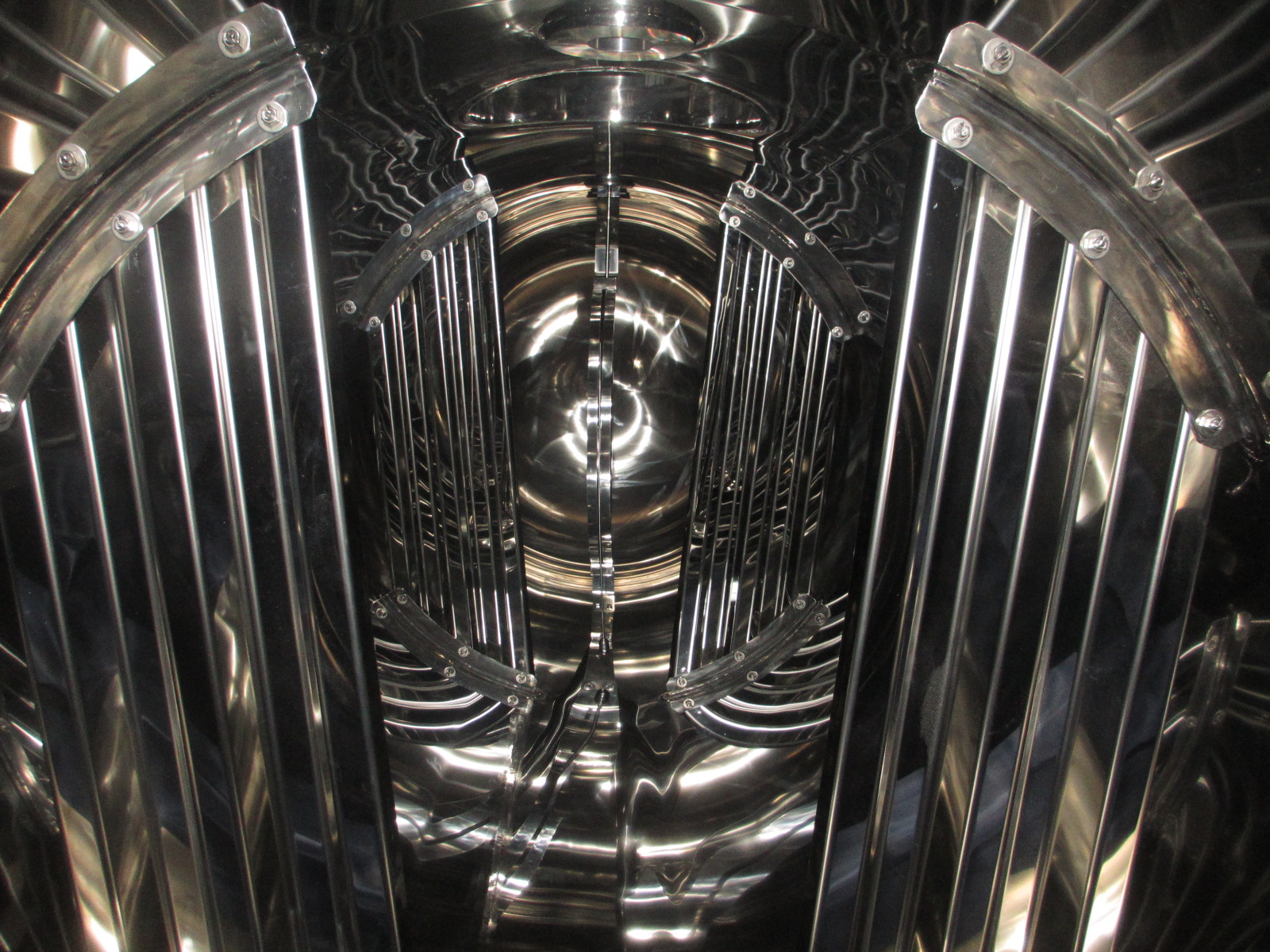
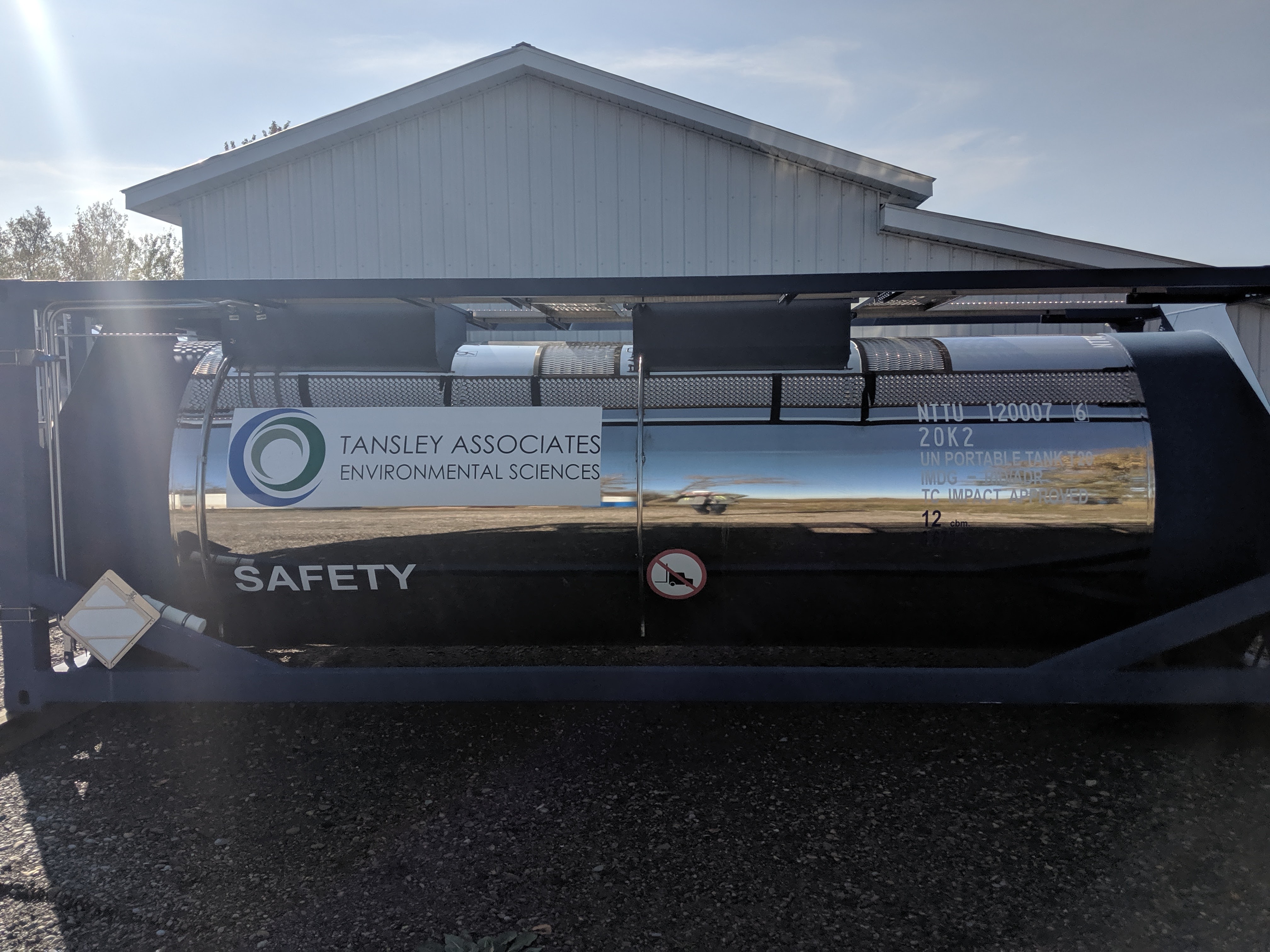
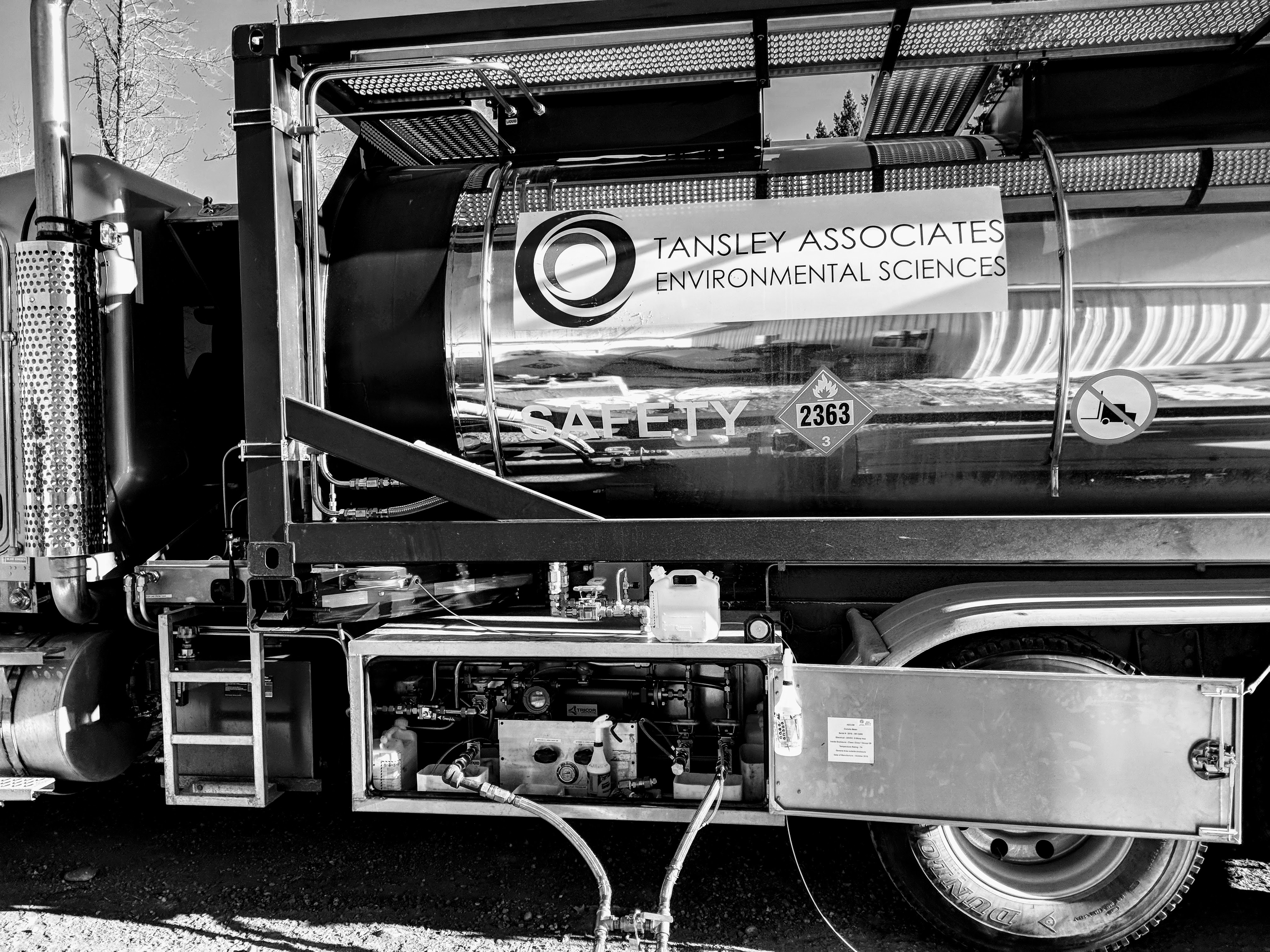
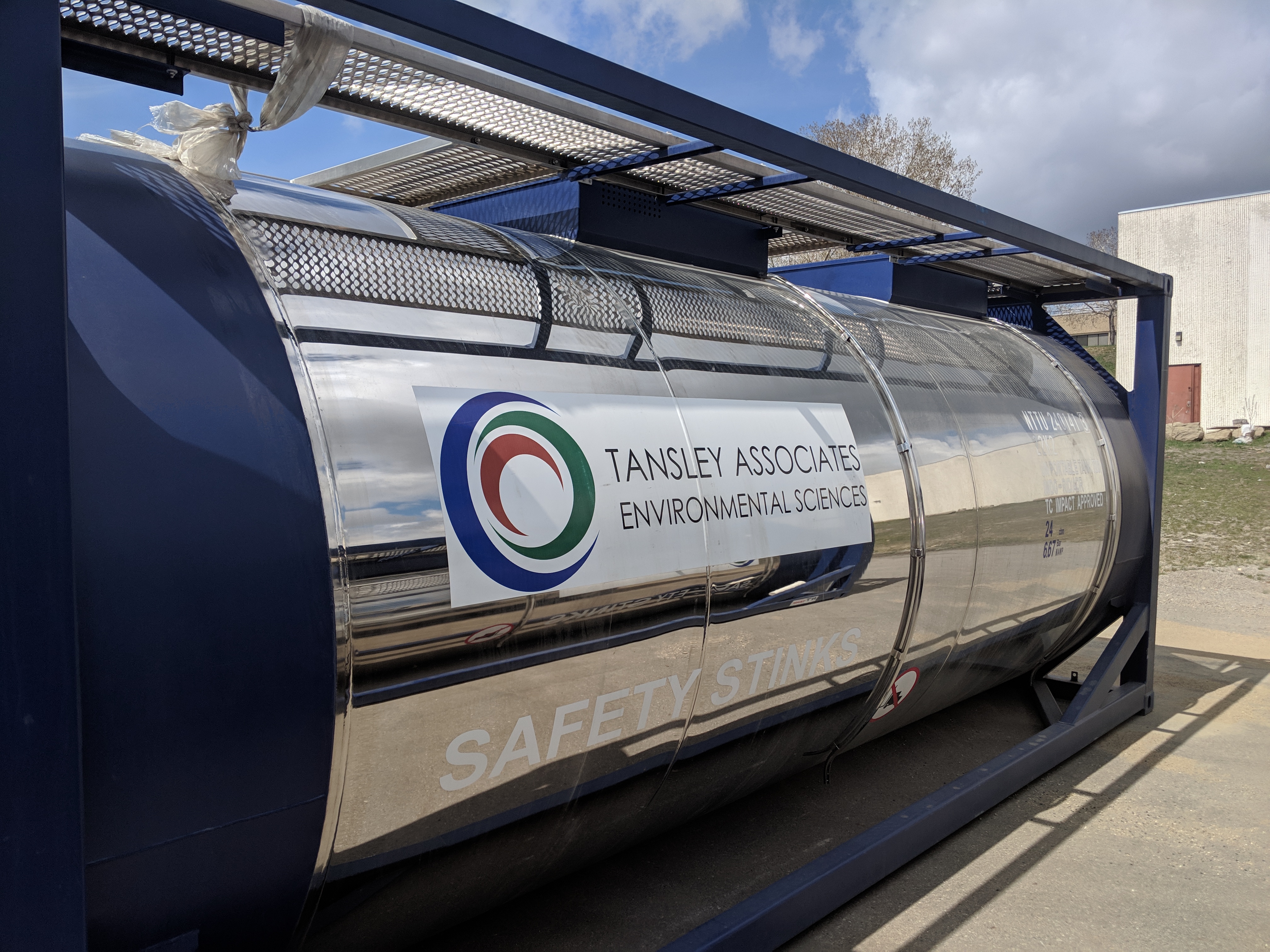
Tansley odorant vessels use 316 stainless steel construction and a 0.2-micron mirror-polished interior.
The highly polished surface reduces microscopic areas where odorant residue, moisture, and contaminants can accumulate while supporting more effective cleaning and drying during scheduled maintenance.
Moisture control is equally important. Before a Tansley vessel is filled, a Certificate of Dryness provides documented verification that the vessel has been properly dried.
These measures do not eliminate the need for inspection and maintenance. Instead, they establish a more controlled internal storage environment and make vessel condition part of a documented lifecycle process.
What to Do if FeS Is Suspected
If iron sulfide is suspected inside an odorant vessel, the material should not be disturbed or exposed to air without an appropriate assessment and work procedure.
Utilities should involve personnel experienced with odorant equipment and the potential hazards associated with sulfur-containing residues before opening, cleaning, repairing, or decommissioning the vessel.
The vessel's service records should also be reviewed for conditions that may have contributed to deposit formation, including moisture intrusion, previous contamination, internal inspection findings, maintenance history, and available odorant quality data.
Most importantly, the discovery of scale should prompt a broader question: what does its presence indicate about the vessel's internal environment and how that environment has been managed?
Continuous odorant quality monitoring represents another opportunity to improve visibility between physical inspections. Inline monitoring has the potential to help utilities identify changes in odorant quality or operating performance earlier, adding another source of information alongside inspection records, level monitoring, and maintenance data. Tansley is working toward incorporating this capability into its broader vessel technology platform.
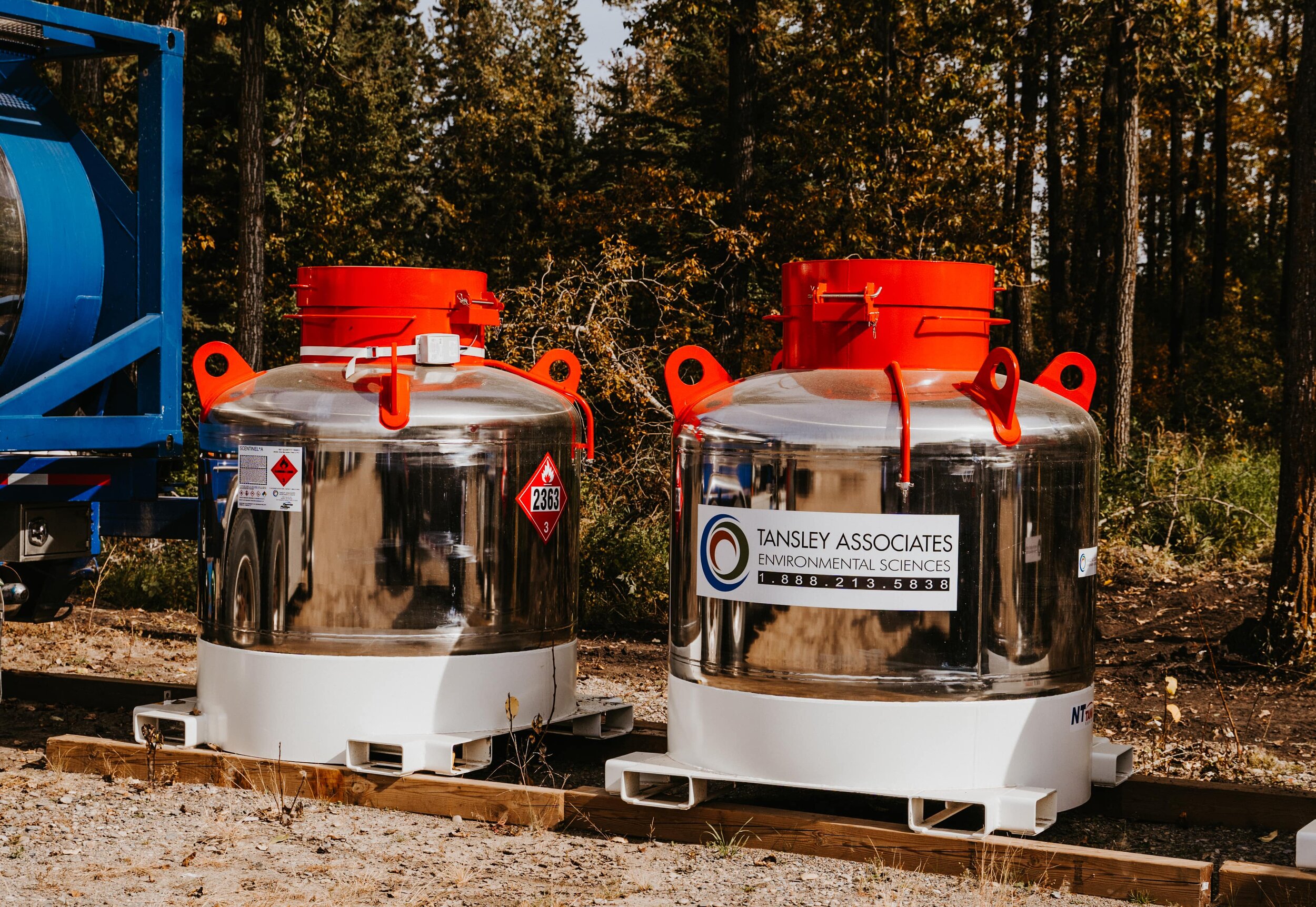
A structured vessel lifecycle can then help utilities act on that information. Through Tansley's leasing and vessel exchange program, vessels can be removed from the utility site for scheduled inspection, cleaning, maintenance, drying verification, recertification, technology upgrades, and preparation for their next service cycle.
If your organization is concerned about FeS, internal vessel contamination, or the condition of an existing odorant storage vessel, explore our odorant services or contact Tansley Associates Environmental Sciences to discuss inspection, maintenance, and leasing options for your odorant vessel program.
If you have any odorant concerns or questions, we would be pleased to talk to you. Call 403.569.8566