

Regulatory Requirements for Odorant Storage Vessels: What Gas Utilities Must Document
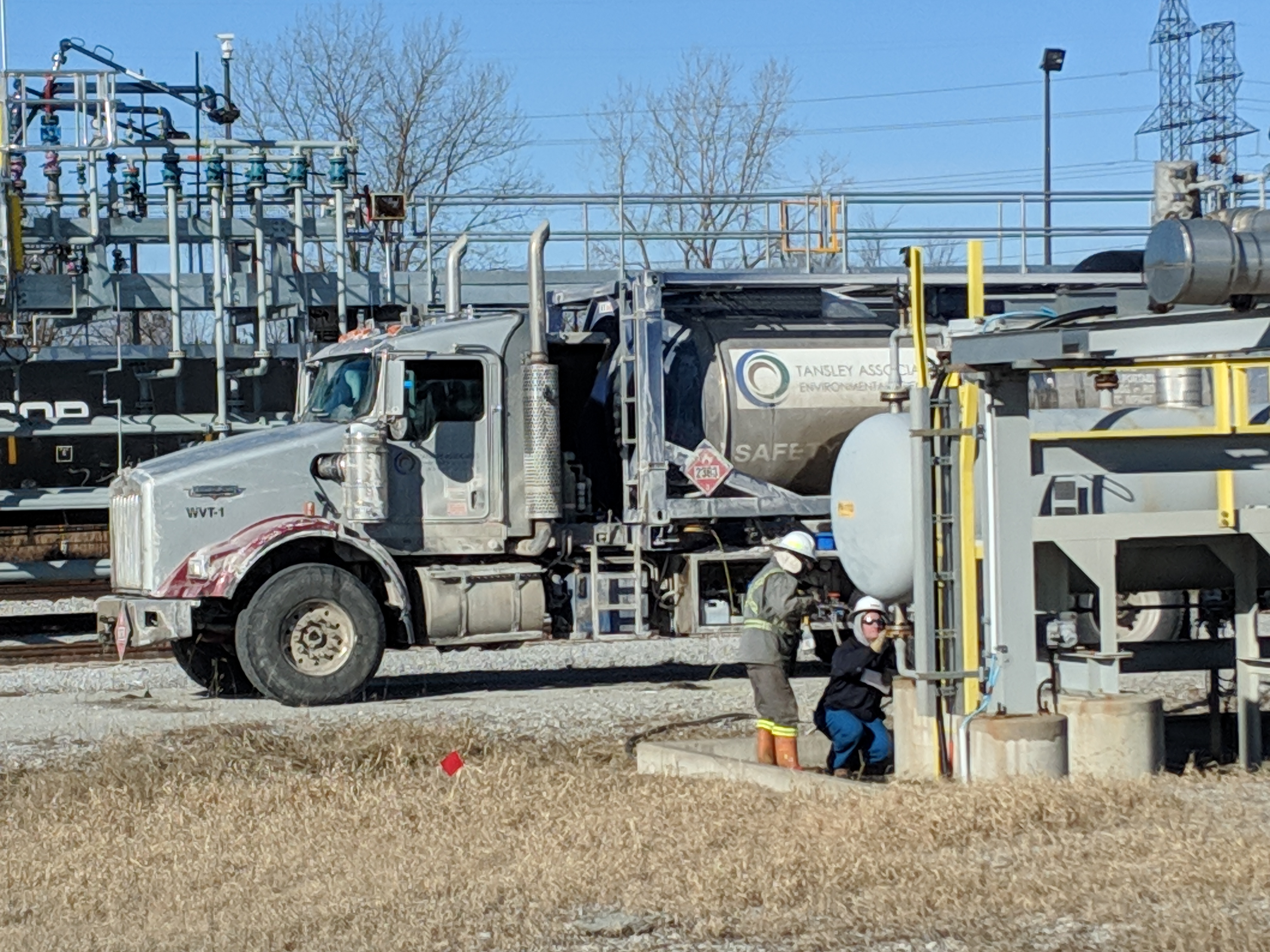
For natural gas utilities, odorant storage vessel compliance involves more than having the right pressure vessel installed at the site. The vessel's specifications, inspection history, maintenance records, certifications, and service documentation all contribute to demonstrating that the asset is being managed appropriately throughout its lifecycle.
The exact odorant storage vessel regulations and documentation requirements can vary depending on jurisdiction, vessel classification, application, and governing authority. For engineering and operations teams, the practical challenge is making sure the documentation associated with the vessel remains complete, current, and accessible.
That starts when the vessel is specified and continues through commissioning, inspection, maintenance, recertification, and eventual removal from service.
A compliance-oriented program treats documentation as part of the asset itself, rather than paperwork that needs to be assembled when an inspection or audit occurs.
What Regulators and Auditors Are Really Asking
When a pressure vessel is reviewed, the underlying question is straightforward: can the organization demonstrate that the vessel is appropriate for its application and has been inspected, maintained, and managed according to applicable requirements?
That requires traceability.
A utility should be able to establish what the vessel is, how it was manufactured and approved, when required inspections occurred, what maintenance has been completed, and whether the vessel remains suitable for continued service.
For an odorant pressure vessel, that history is especially important because the asset contains a highly odorous chemical and forms part of a safety-critical odorization system.
Rather than approaching each inspection as an isolated event, utilities benefit from maintaining a continuous record from the vessel's initial specification through every subsequent service cycle.
Core Documentation Utilities Should Retain
The exact records required will depend on the vessel and jurisdiction, but a strong documentation program should maintain the information necessary to establish vessel identity, condition, inspection history, and service status.
Depending on the application, records may include:
- Vessel identification and specifications
- Applicable design and manufacturing documentation
- Inspection and certification records
- Weld inspection documentation
- Maintenance and repair history
- Recertification records
- Dryness verification
- Filling and service records
- Monitoring and operating information
- Documentation associated with vessel exchange or removal
- End-of-life records where applicable
These records should remain associated with the vessel throughout its lifecycle.
For example, a Certificate of Dryness provides documented verification that the internal vessel environment has been properly dried before odorant is introduced. This creates a clear pre-fill baseline and helps reduce the risk of moisture being introduced into the odorant storage environment.
Documentation of this kind is not simply administrative. It provides engineering and operations teams with evidence of how the vessel was prepared and maintained.
Inspection Requirements and the 4-Year Cycle
Inspection planning is another important part of odorant pressure vessel compliance.
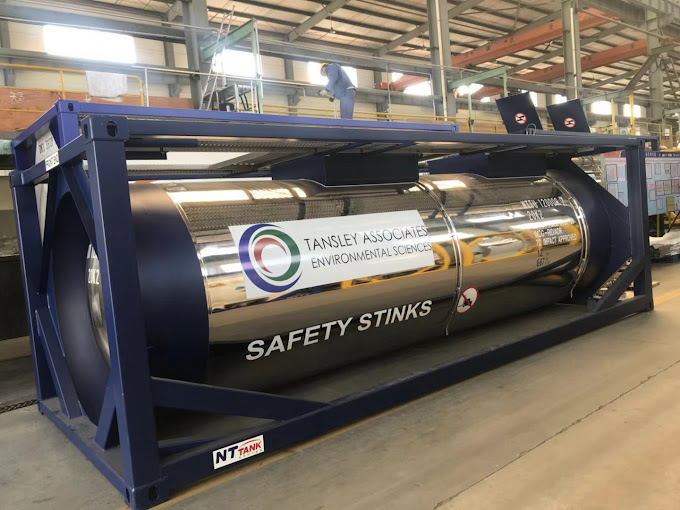
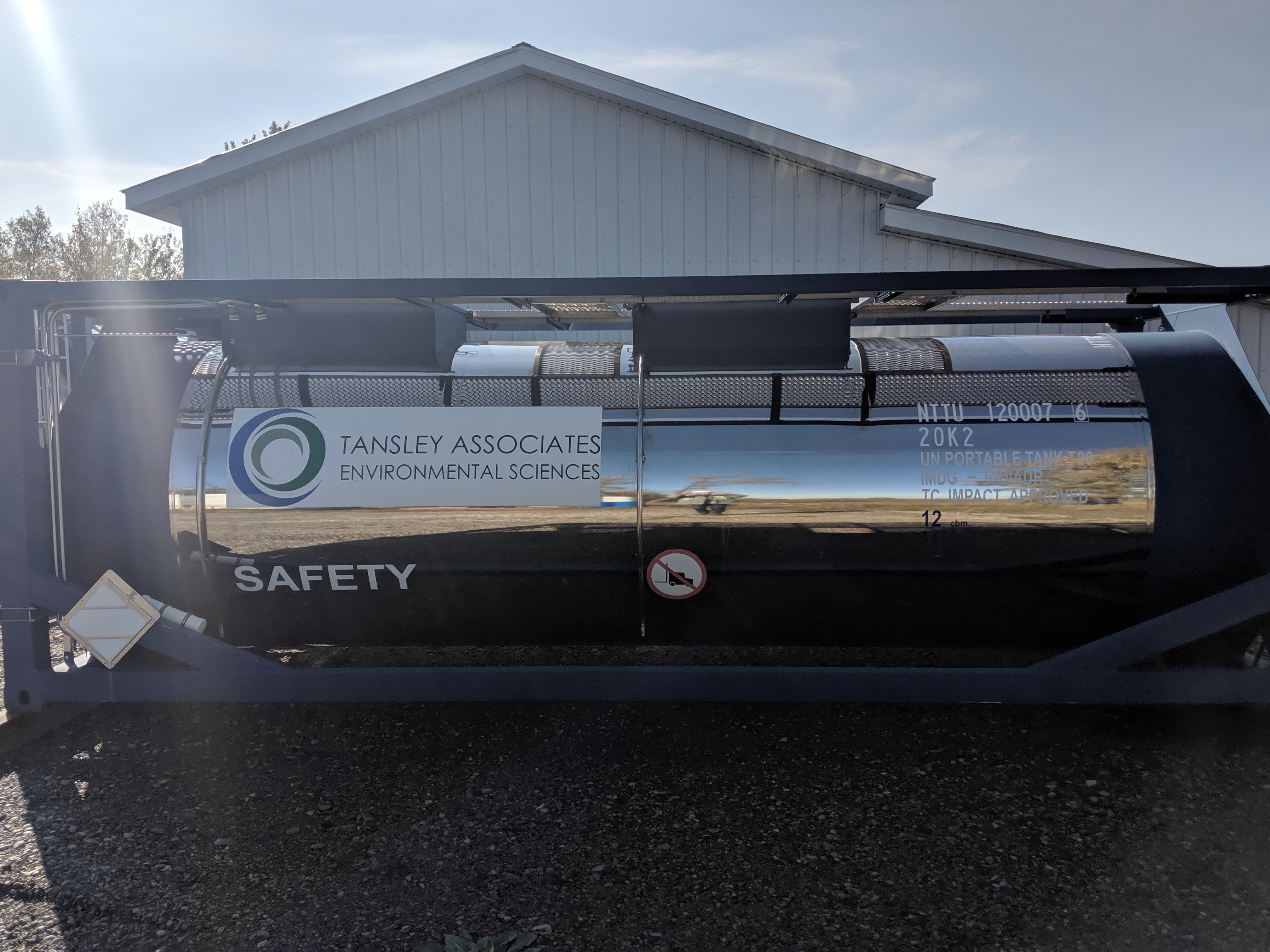
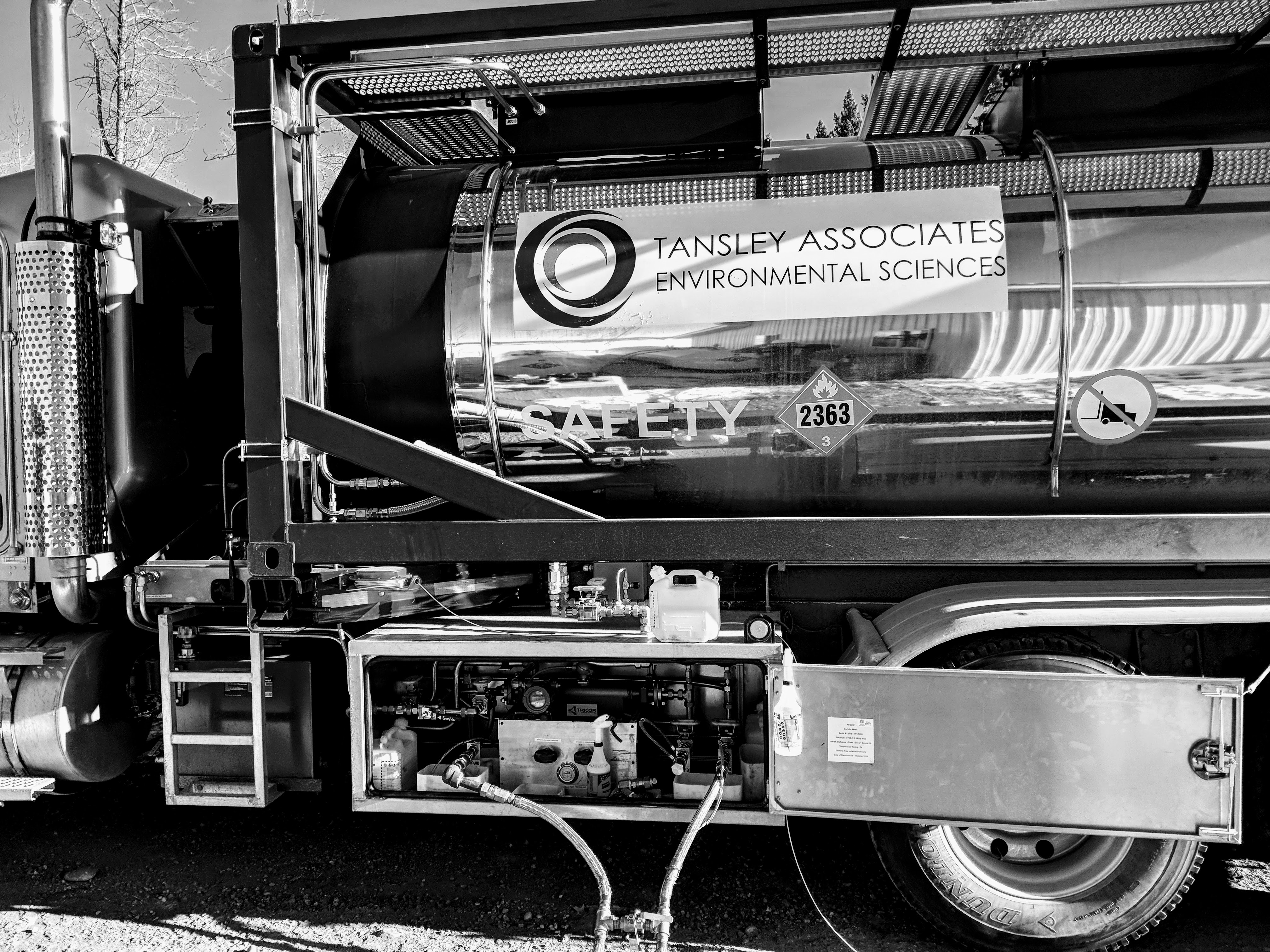
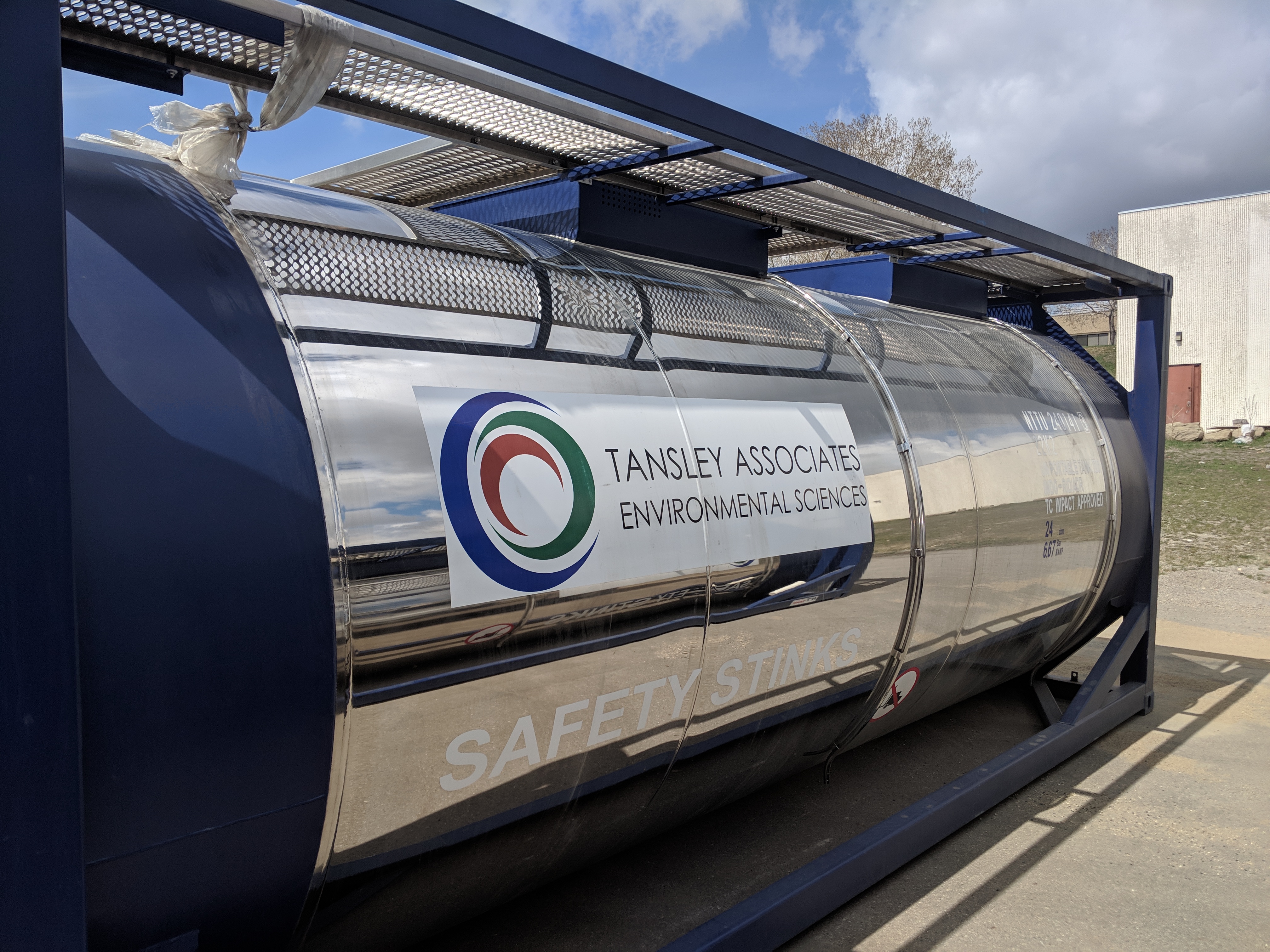
For Tansley's ISO transportable odorant vessels, the four-year service cycle provides a structured point for inspection, recertification, maintenance, cleaning, drying, and preparation for the vessel's next period of service.
Planning ahead matters.
Waiting until an inspection deadline approaches can create scheduling challenges, particularly when the vessel remains part of an active odorization system. Inspection logistics, continued odorant supply, transportation, maintenance, documentation, and return to service all need to be coordinated.
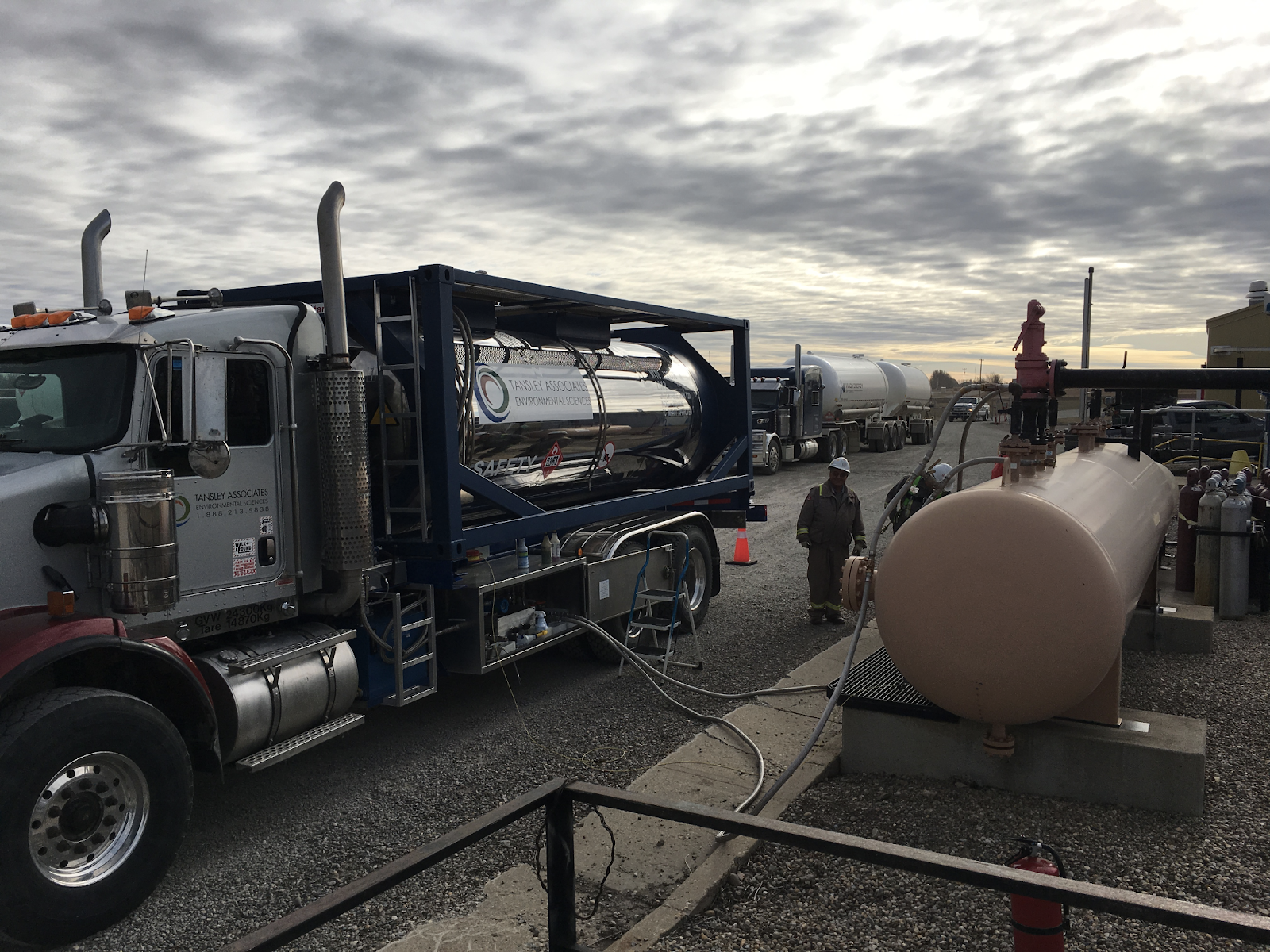
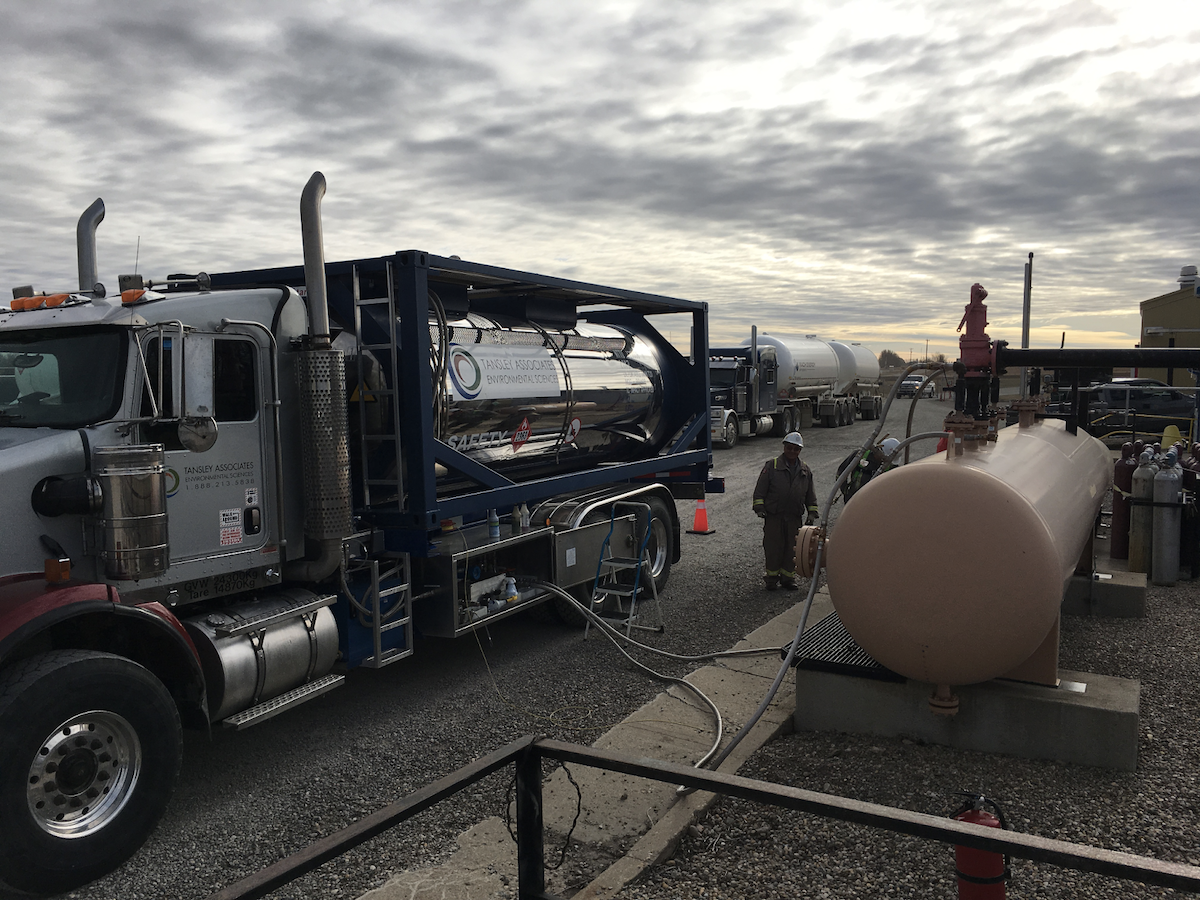
Tansley's vessel exchange model is designed to maintain continuity through this process. When scheduled service is required, a filled, recertified, and service-ready vessel can be delivered to the utility site and the existing vessel removed for its next maintenance cycle.
At the Tansley facility, the removed vessel can undergo cleaning, inspection, maintenance, drying verification, quality assurance checks, and technology upgrades before being prepared for future service.
For a detailed look at the process, our guide to the odorant vessel 4-year maintenance cycle outlines the planning, inspection, and documentation considerations involved.

Natural Gas Odorant Vessel Requirements Tied to Integrity
Documentation alone does not establish vessel integrity. It needs to correspond with physical inspection and quality assurance processes.
For an odorant storage vessel, several elements contribute to establishing and maintaining that integrity.
Weld quality is one example. Tansley vessels undergo X-ray examination of welds as part of the quality assurance process, with independent inspection providing another layer of verification.
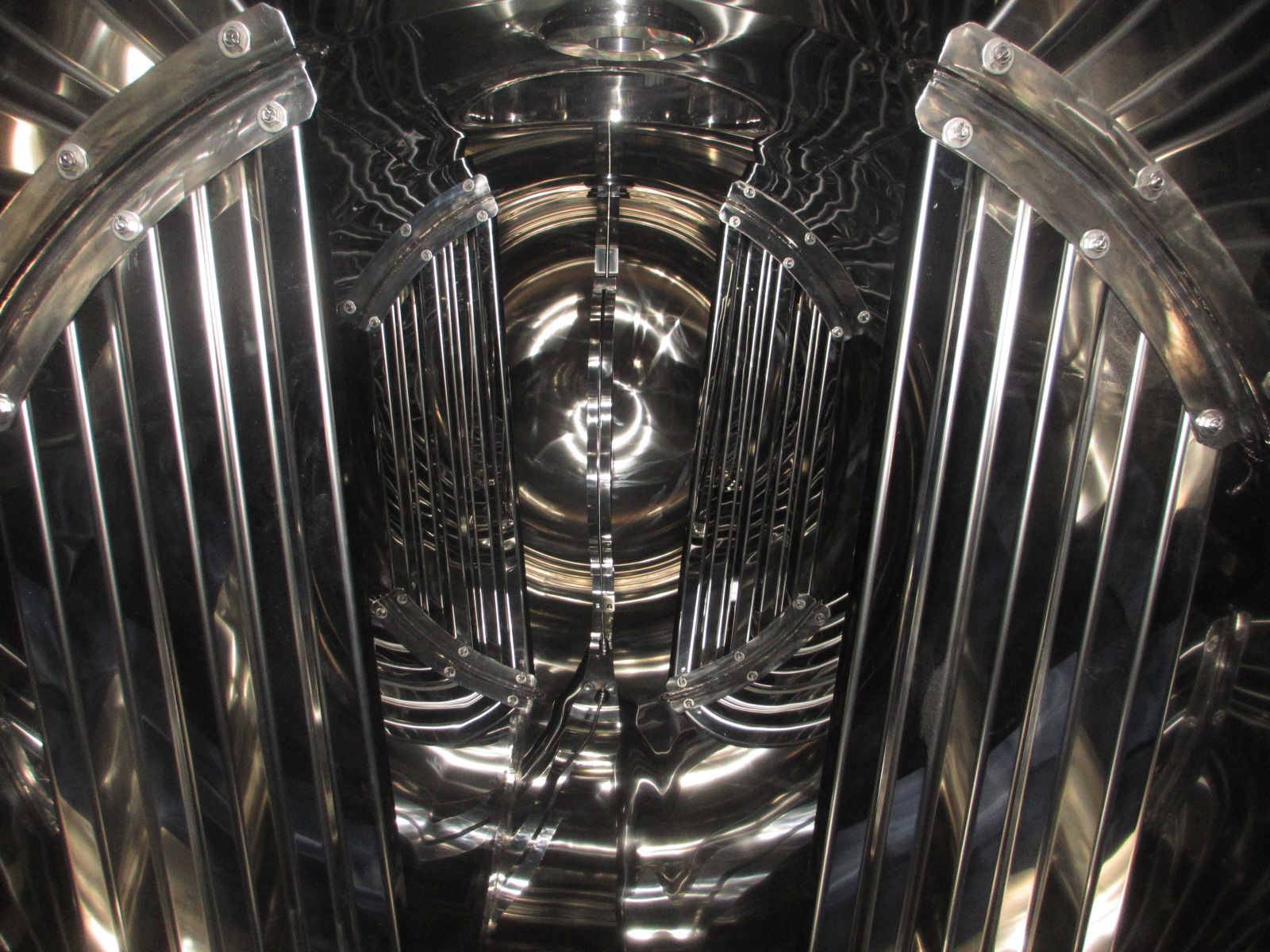
The interior condition also matters. A 0.2-micron mirror-polished surface supports effective cleaning, deodorization, and drying while reducing microscopic areas where residue, moisture, and contaminants can accumulate.
Dryness verification establishes another important baseline before filling. A vessel that has been inspected but has not been adequately dried can still introduce moisture into the odorant storage environment.
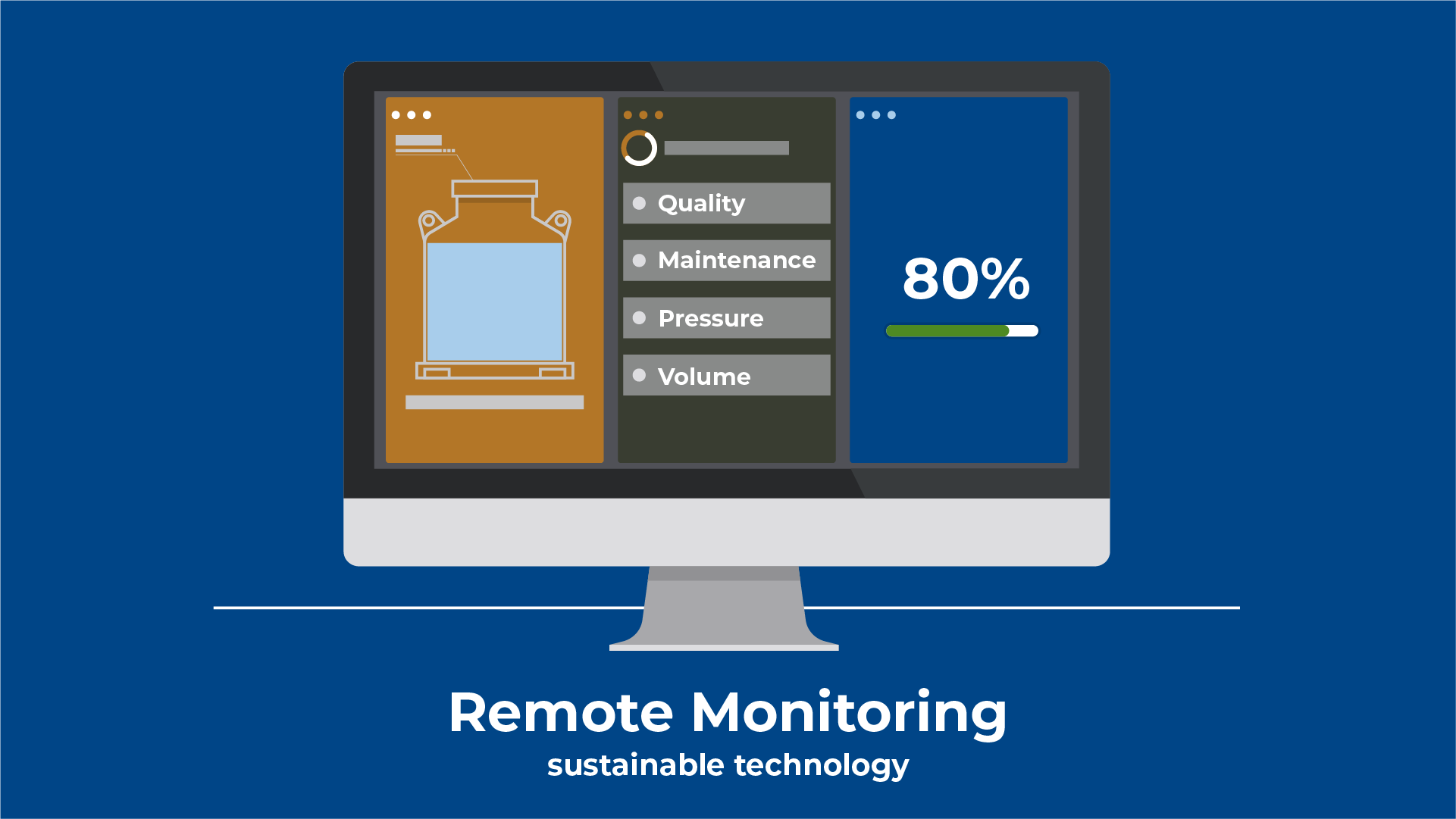
Continuous odorant quality monitoring adds another layer of oversight, helping utilities track odorant condition throughout the vessel’s service cycle.
These processes work together. Inspection verifies physical condition, documentation establishes traceability, preparation procedures help ensure the vessel is ready for its next service cycle, and continuous odorant quality monitoring provides ongoing visibility during operation.
Utilities should also remain alert to changes during operation. A compromised seal or fitting, for example, can allow a vessel to breathe as temperatures change, potentially drawing atmospheric air and moisture inside. Our article on vessel breathing explains why a fading odor smell does not necessarily mean an integrity issue has disappeared.
End-of-Life and Replacement Documentation
Eventually, an owned odorant vessel may reach the point where it needs to be removed from service.
Because odorant permeates equipment used to store and handle it, an empty vessel cannot simply be treated like an ordinary unused vessel. Residual odor and contamination need to be managed through appropriate decommissioning, transportation, deodorization, and disposal procedures.
Documentation becomes important at this stage as well.
Records associated with decommissioning may need to establish how the vessel was emptied, prepared, transported, deodorized, and ultimately destroyed or recycled.
At Tansley's deodorization facility, vessels are processed using a non-chemical deodorization method. Once the vessel meets Tansley's standards, it is made inoperable before being sent for recycling, and a Certificate of Destruction is issued.
Utilities planning a vessel replacement should therefore consider decommissioning requirements before the existing asset reaches the end of service. Our odorant vessel decommissioning and deodorization article explains why end-of-life logistics require specialized planning, while our odorant vessel replacement checklist looks at how decommissioning and the next vessel installation can be coordinated as one project.
For utilities using Tansley's leasing model, the lifecycle is different. Vessels remain within a managed service and exchange program, removing the need for the utility to eventually manage end-of-life decommissioning of an owned Tansley vessel.
How Tansley Supports Compliance-Oriented Programs
Managing natural gas odorant vessel requirements becomes easier when inspection, maintenance, documentation, and vessel exchange are treated as parts of the same lifecycle.
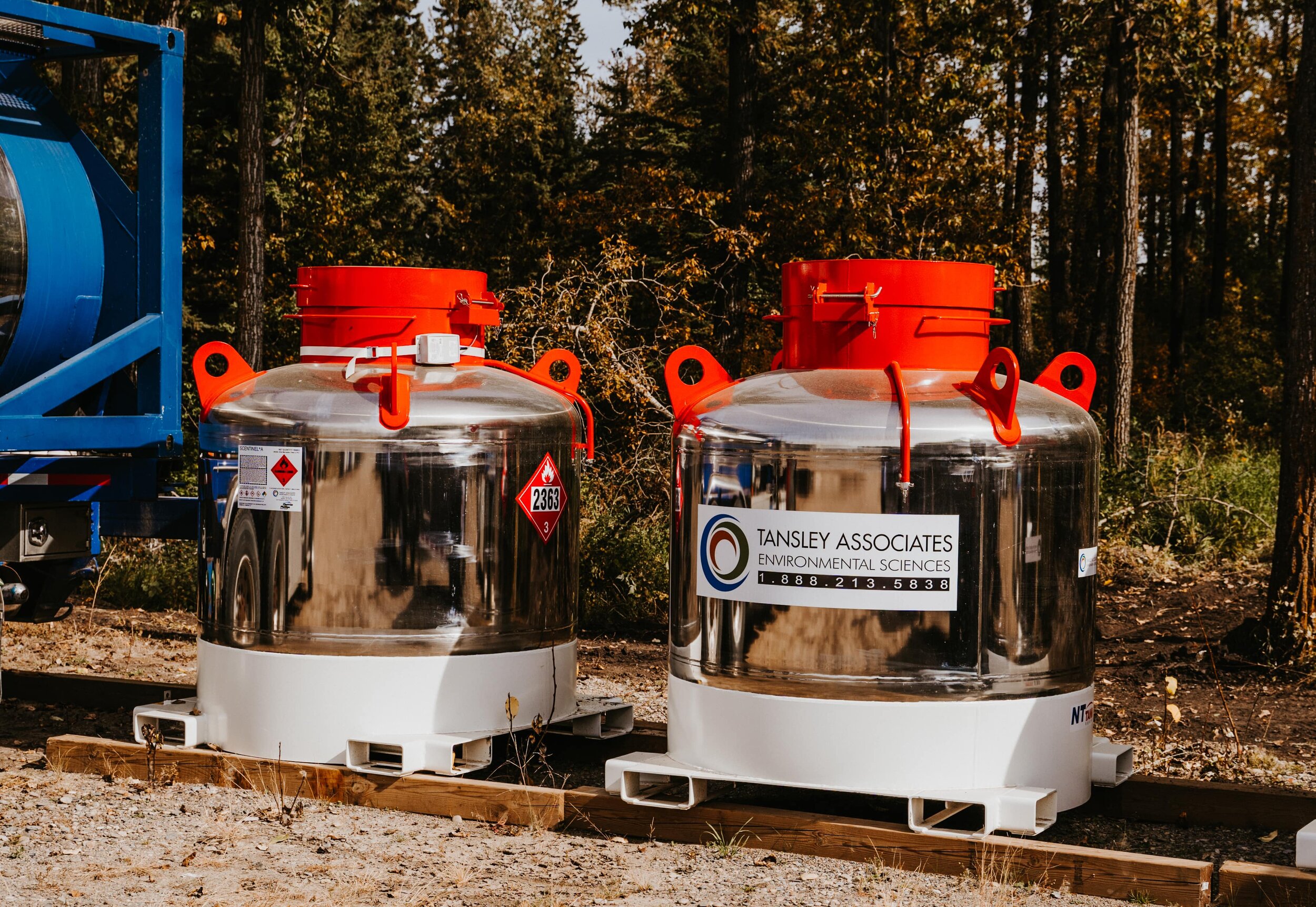
Tansley's ISO-built stainless steel odorant vessels are supported by processes that include independent inspection, weld verification, interior finishing, dryness certification, scheduled maintenance, remote monitoring options, and documented recertification.
The leasing model adds another layer of continuity. Rather than leaving individual utilities to coordinate each major vessel service event independently, vessels can be exchanged through a structured program while inspection and maintenance are completed at Tansley's facility.
This approach allows documentation to follow a repeatable process from one service cycle to the next and helps utilities plan ahead for inspection and maintenance requirements rather than reacting as deadlines approach.
For organizations reviewing odorant storage vessel compliance, the objective should be straightforward: know the requirements that apply to each vessel, maintain the records needed to demonstrate its history and condition, and have a plan for every stage of its service life.
If you are reviewing your odorant vessel inspection, maintenance, or documentation program, explore our odorant services or contact Tansley Associates Environmental Sciencesto learn how a structured leasing and vessel exchange program can simplify ongoing maintenance, inspection, and lifecycle management.
If you have any odorant concerns or questions, we would be pleased to talk to you. Call 403.569.8566



.JPG)

