

ISO Odorant Vessel Leasing for Natural Gas: CapEx-to-OpEx for Utilities
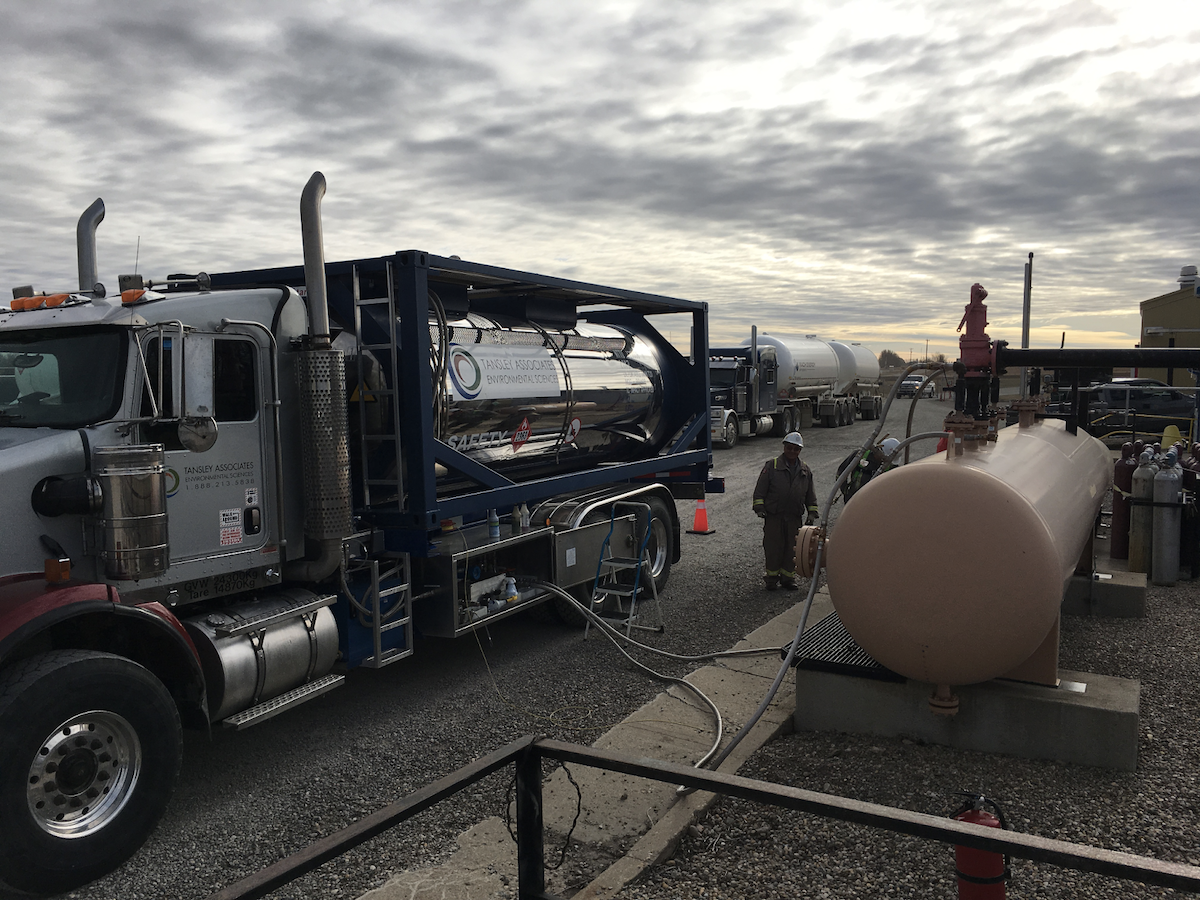
For many utilities, odorant vessel decisions have traditionally been treated as capital projects. A vessel is purchased, installed, maintained, and eventually decommissioned when it reaches the end of its service life.
While ownership has long been the standard approach, it also places responsibility for maintenance, inspections, compliance documentation, and eventual disposal on the utility.
Today, many organizations are taking a different approach. Instead of purchasing odorant vessels outright, they are exploring ISO odorant vessel leasing for natural gas applications as a way to improve operational continuity, reduce lifecycle complexity, and create more predictable budgeting.
For utilities evaluating long-term odorant storage strategies, the conversation is no longer just about the cost of a vessel. It is about the total cost of ownership over decades of service.
When Leasing Beats Purchasing
Purchasing an odorant vessel can seem straightforward at first. However, ownership extends well beyond the initial acquisition cost.
Utilities are also responsible for:
- Inspection scheduling
- Maintenance planning
- Compliance documentation
- Recertification requirements
- Vessel replacement
- End-of-life decommissioning
- Odorant quality
These responsibilities continue throughout the life of the asset.
An odorant vessel lease shifts much of that burden into a structured service model. Rather than managing every stage independently, utilities gain access to a program designed around continuity and long-term support.
For many organizations, this creates a more predictable operational environment and allows teams to focus on system performance rather than asset management.
Understanding the Full Lifecycle Cost
One of the biggest misconceptions about ownership is that the purchase price represents the total investment.
In reality, some of the most significant costs occur later in the vessel lifecycle.
Inspection programs, maintenance activities, vessel exchanges, and decommissioning projects all require planning, resources, and budget allocation.
Decommissioning can be particularly challenging. Proper odorant vessel decommissioning involves controlled odorant removal, deodorization, transport, disposal, and documentation. These activities can become one of the largest lifecycle expenses associated with odorant storage infrastructure.
When utilities lease odorant storage equipment through a structured program, many of those end-of-life responsibilities can be avoided entirely.
What an ISO Odorant Vessel Leasing Program Includes
An effective ISO odorant vessel leasing program should provide more than access to equipment.
The strongest programs integrate vessel management into a complete lifecycle strategy that supports operational continuity and predictable budgeting.
This may include:
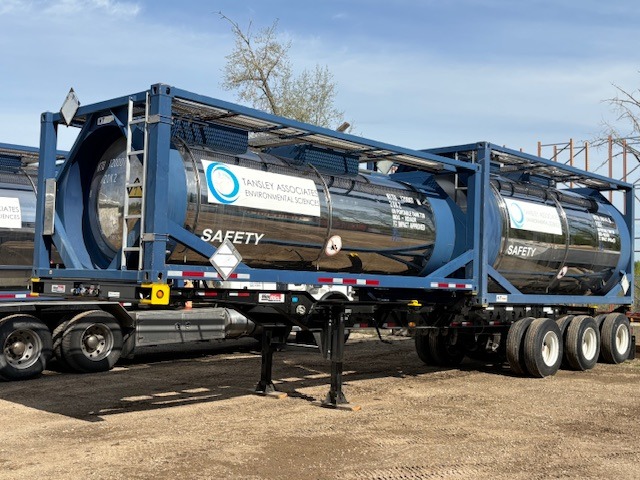
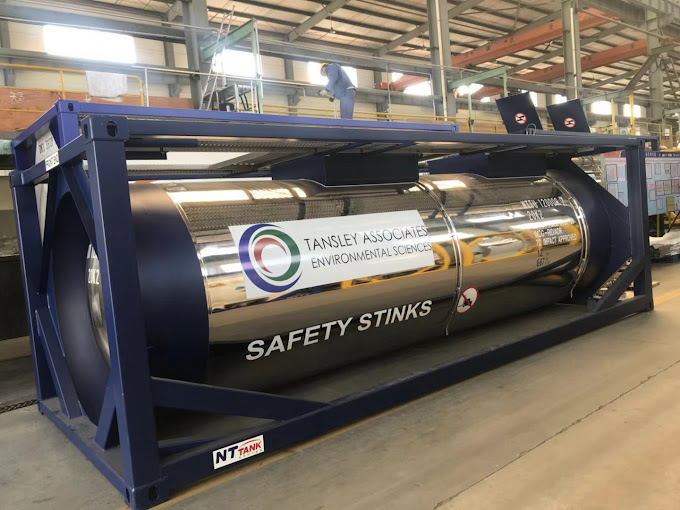
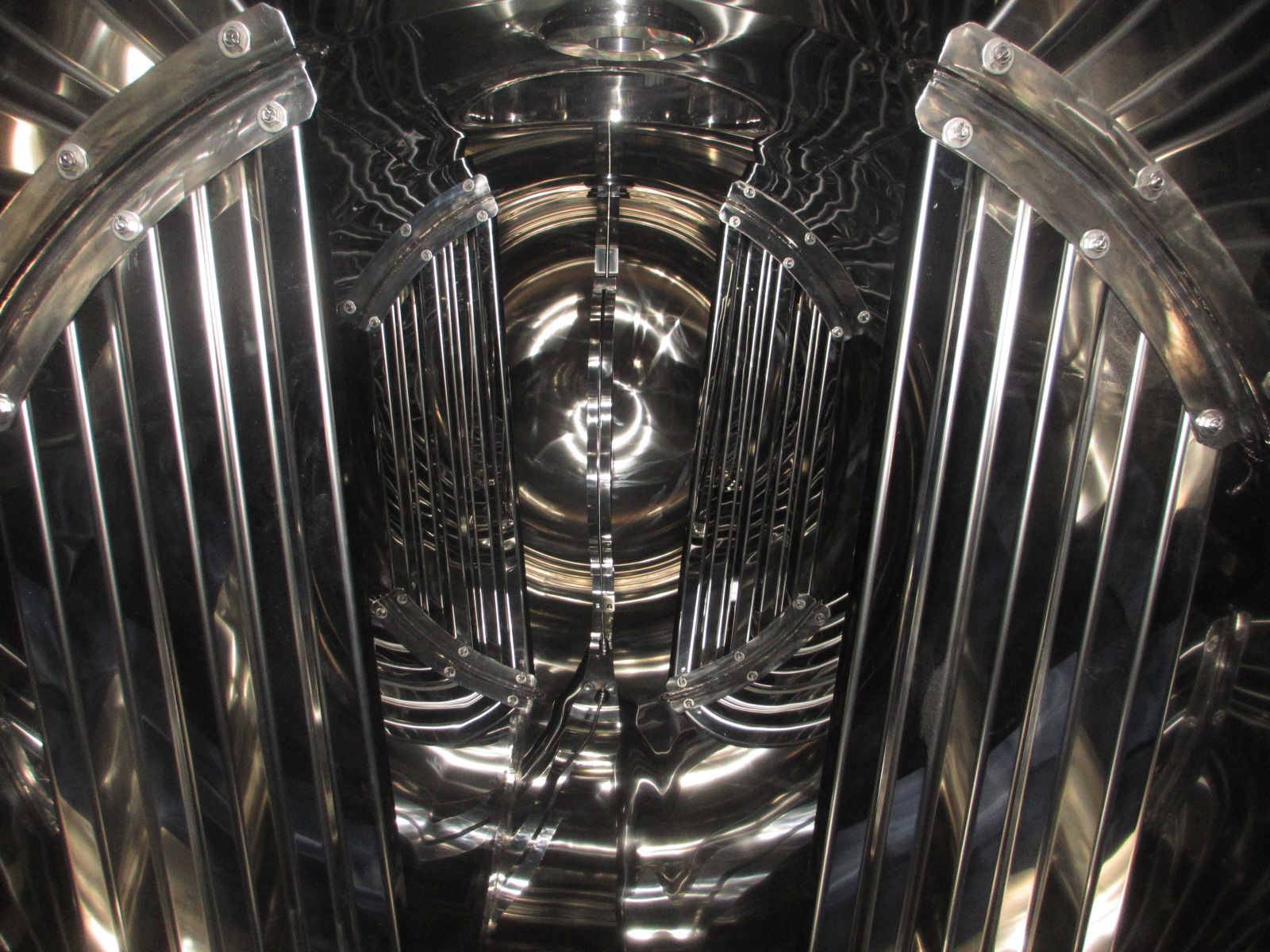
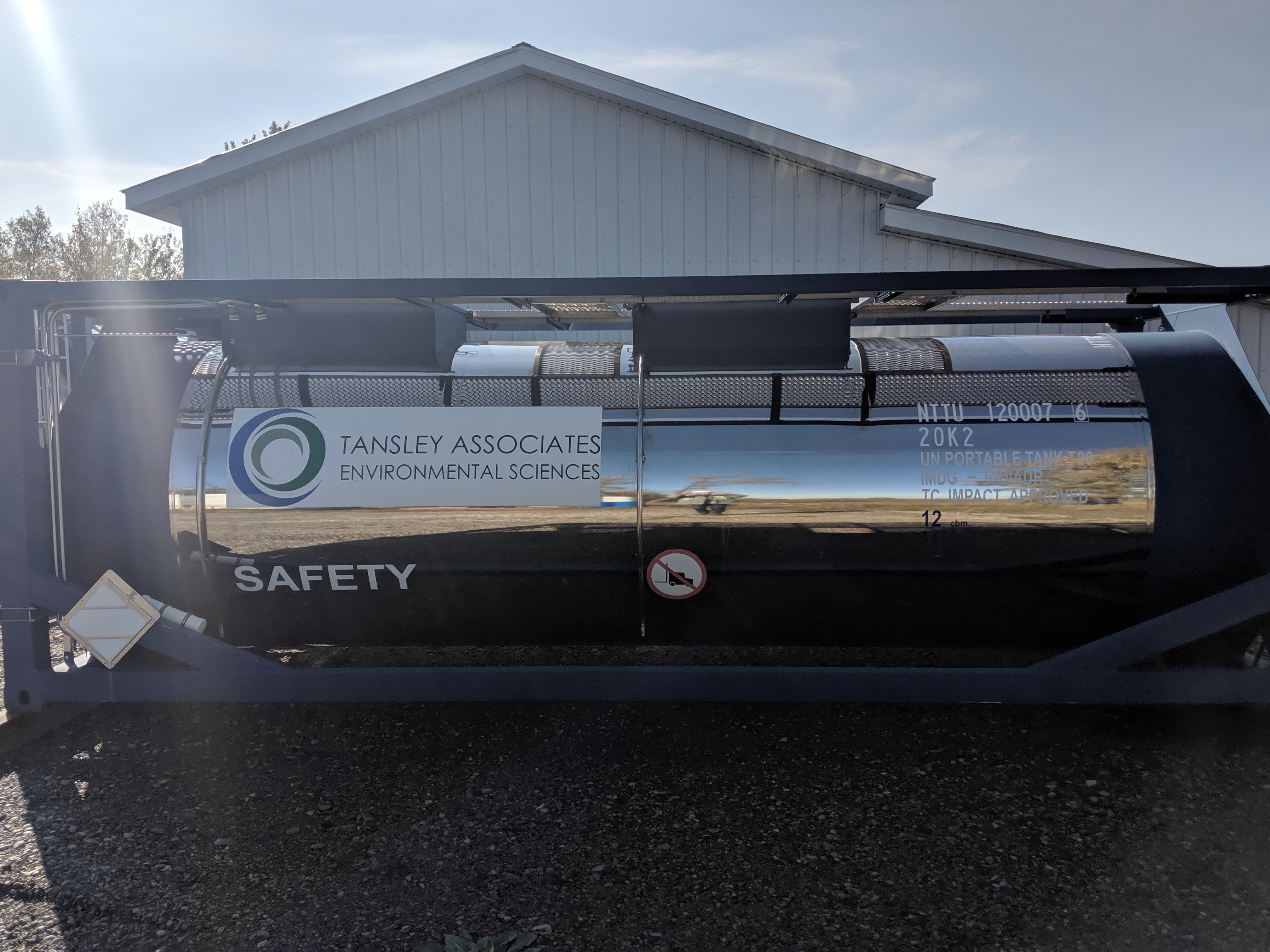
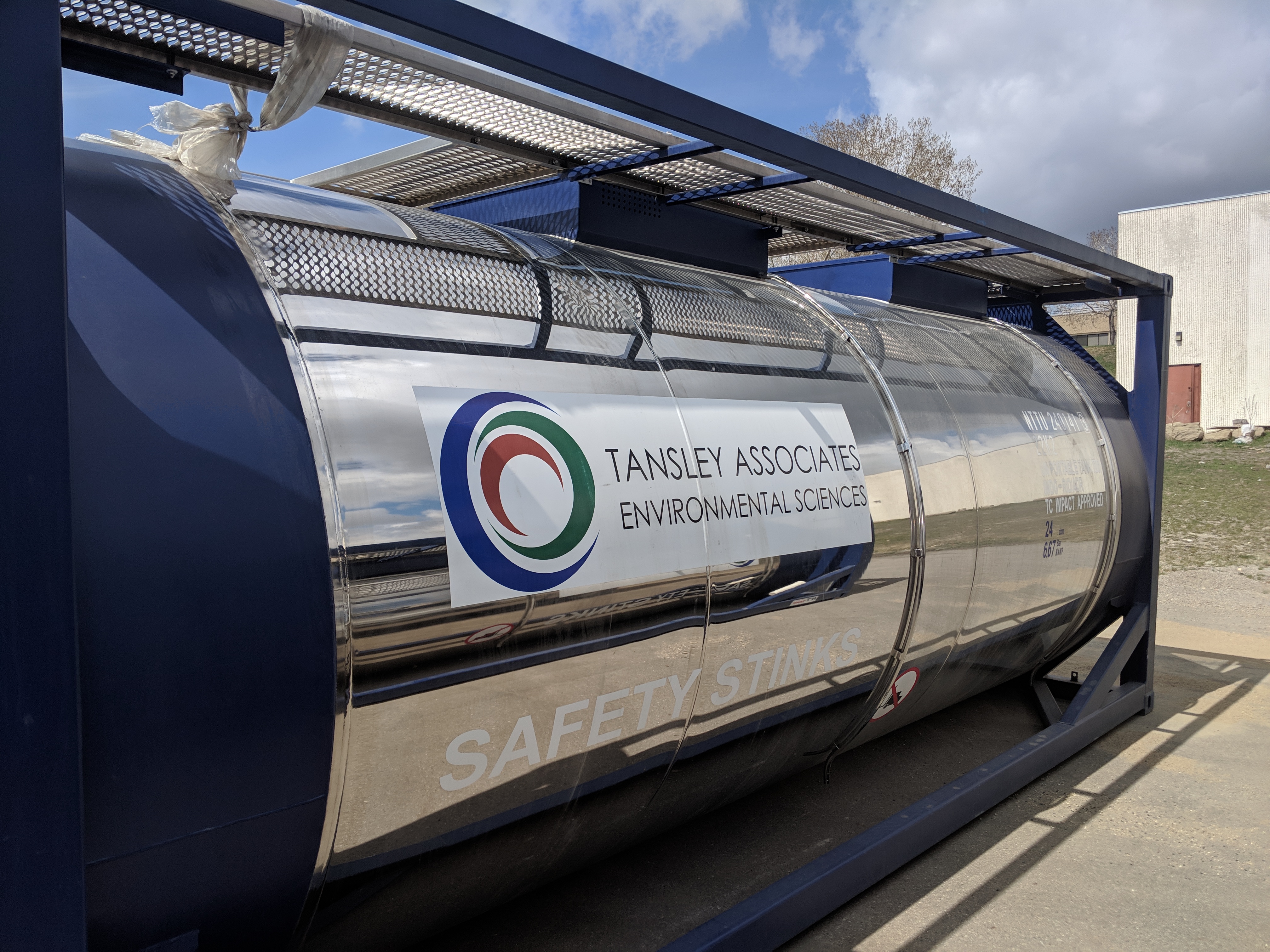
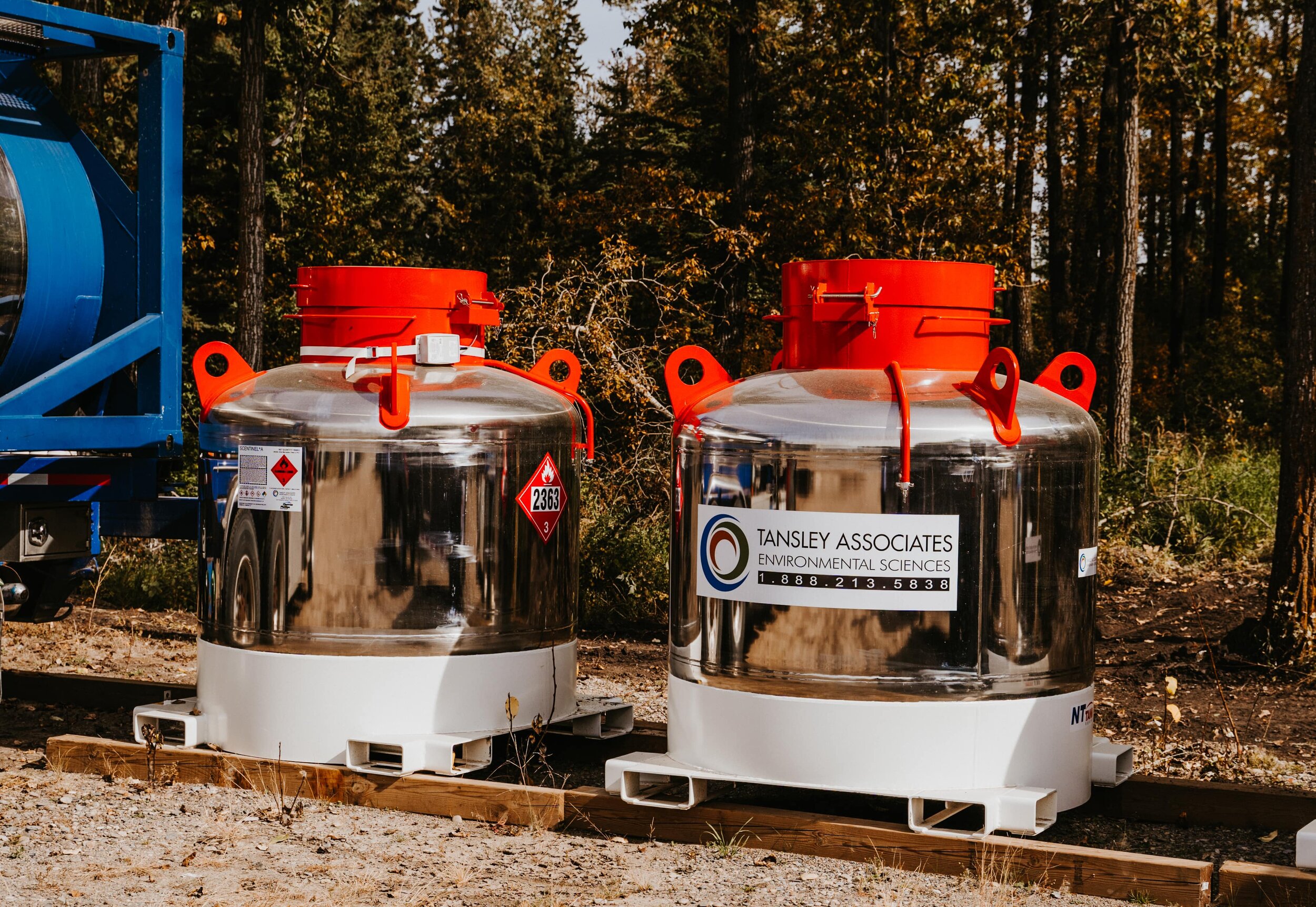
- ISO-built stainless steel vessels
- Certified fabrication and inspection
- Vessel delivery and commissioning support
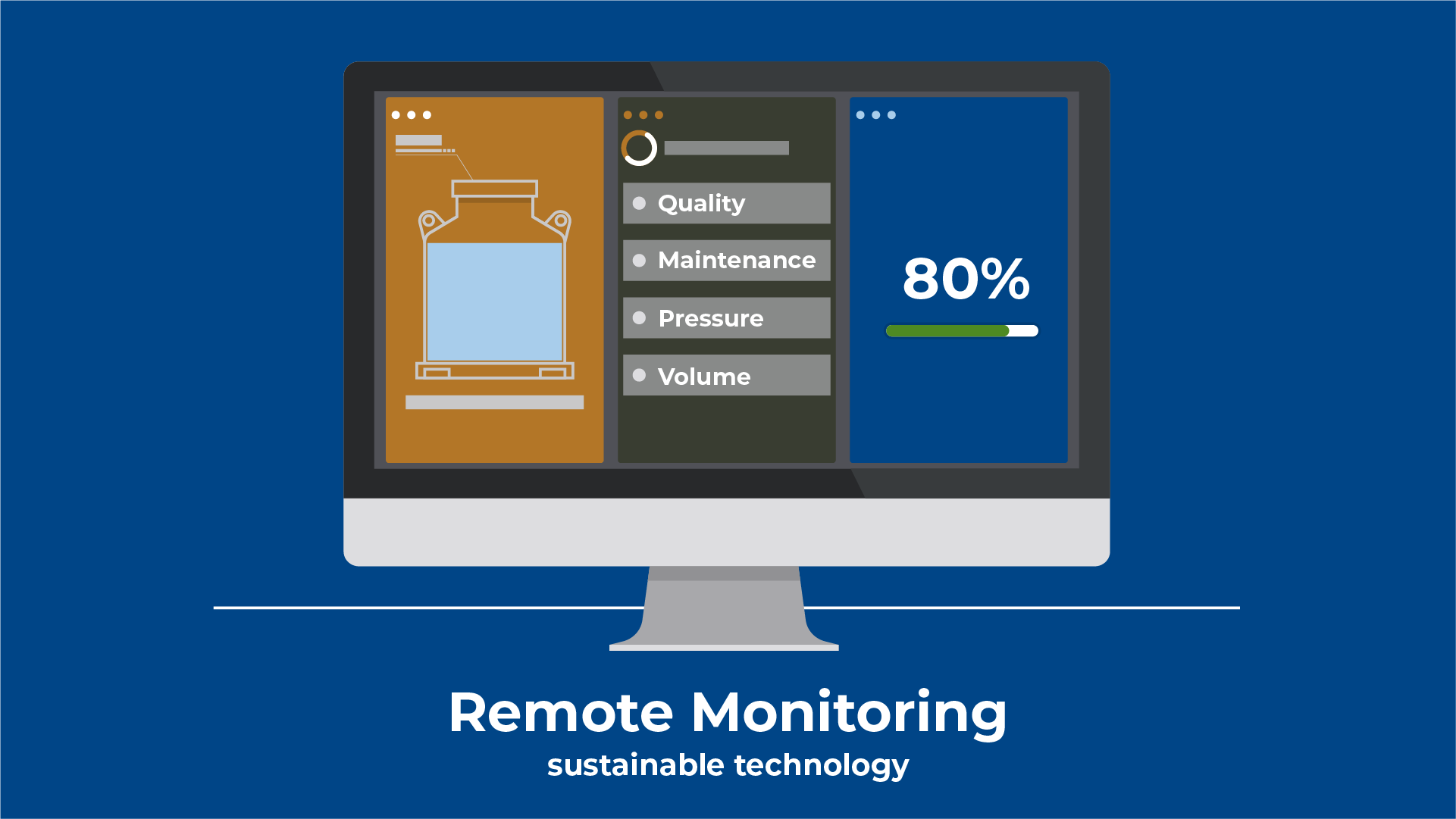
- Remote monitoring capabilities
- Scheduled maintenance cycles
- Vessel exchange programs
- Lifecycle documentation support
Many of these benefits are supported through modern AI-enabled odorant storage pressure vessels, which combine remote monitoring, predictive analysis, and structured vessel exchange programs to simplify long-term odorant supply management.
By combining these elements, utilities gain a predictable framework for managing odorant storage without the complexity of ownership.
How the Leasing Model Supports Operational Continuity
One of the advantages of ISO odorant vessel leasing is that the vessel becomes part of a managed service cycle rather than a standalone asset.
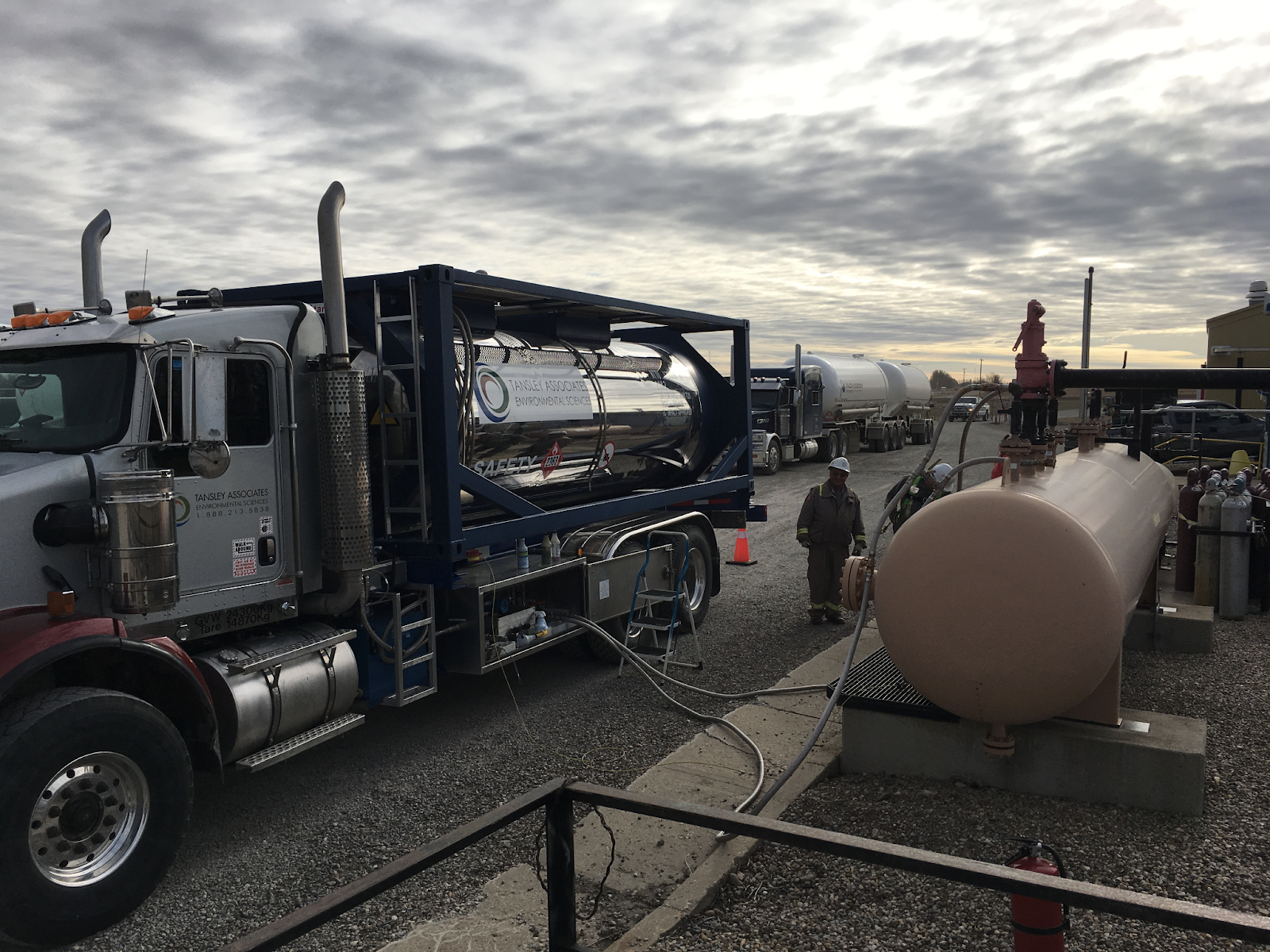
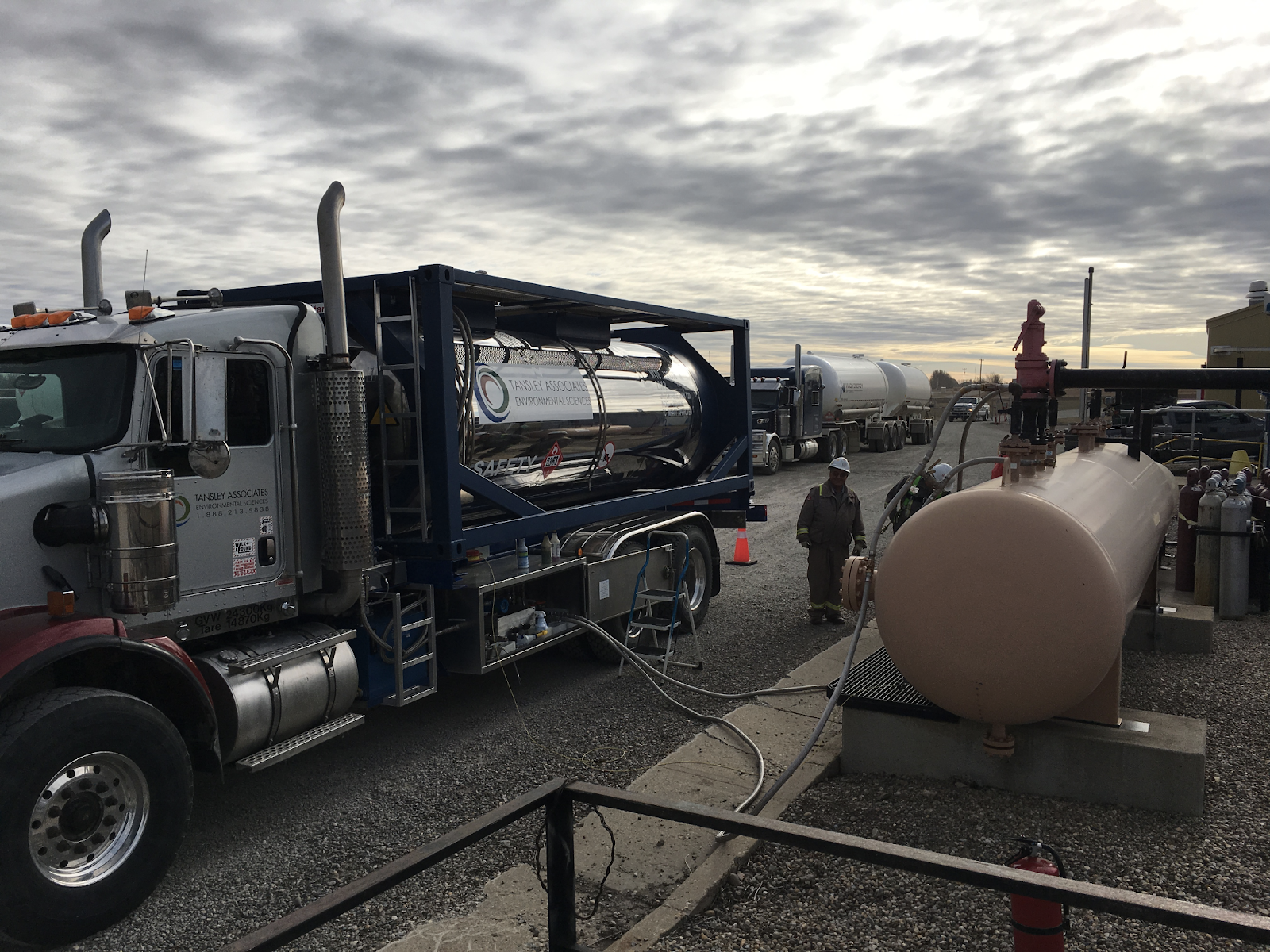
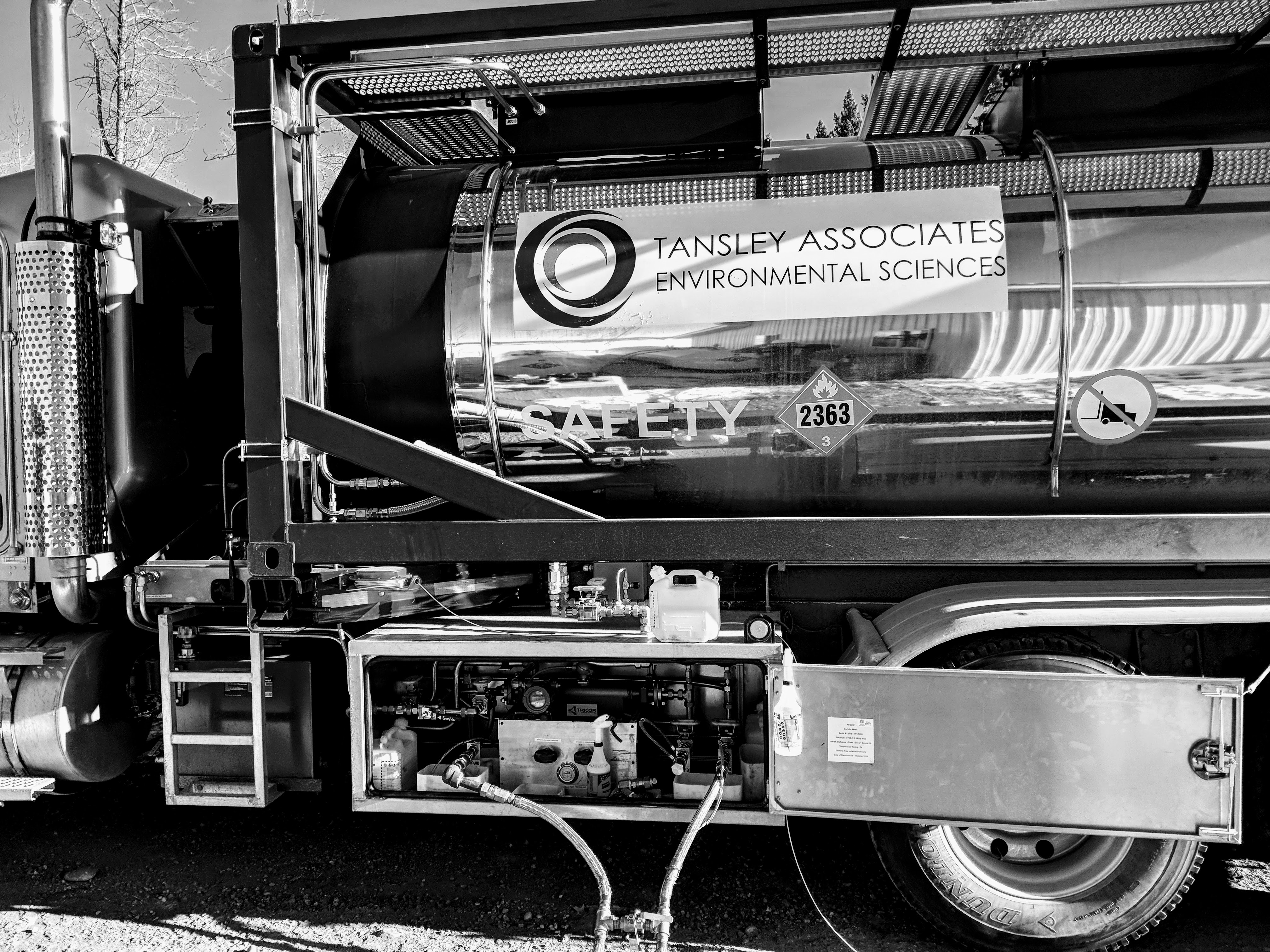
Utilities receive a filled vessel that is delivered and commissioned onsite. Odorant levels and usage rates are then monitored remotely, allowing service and vessel exchanges to be planned based on actual operating conditions.
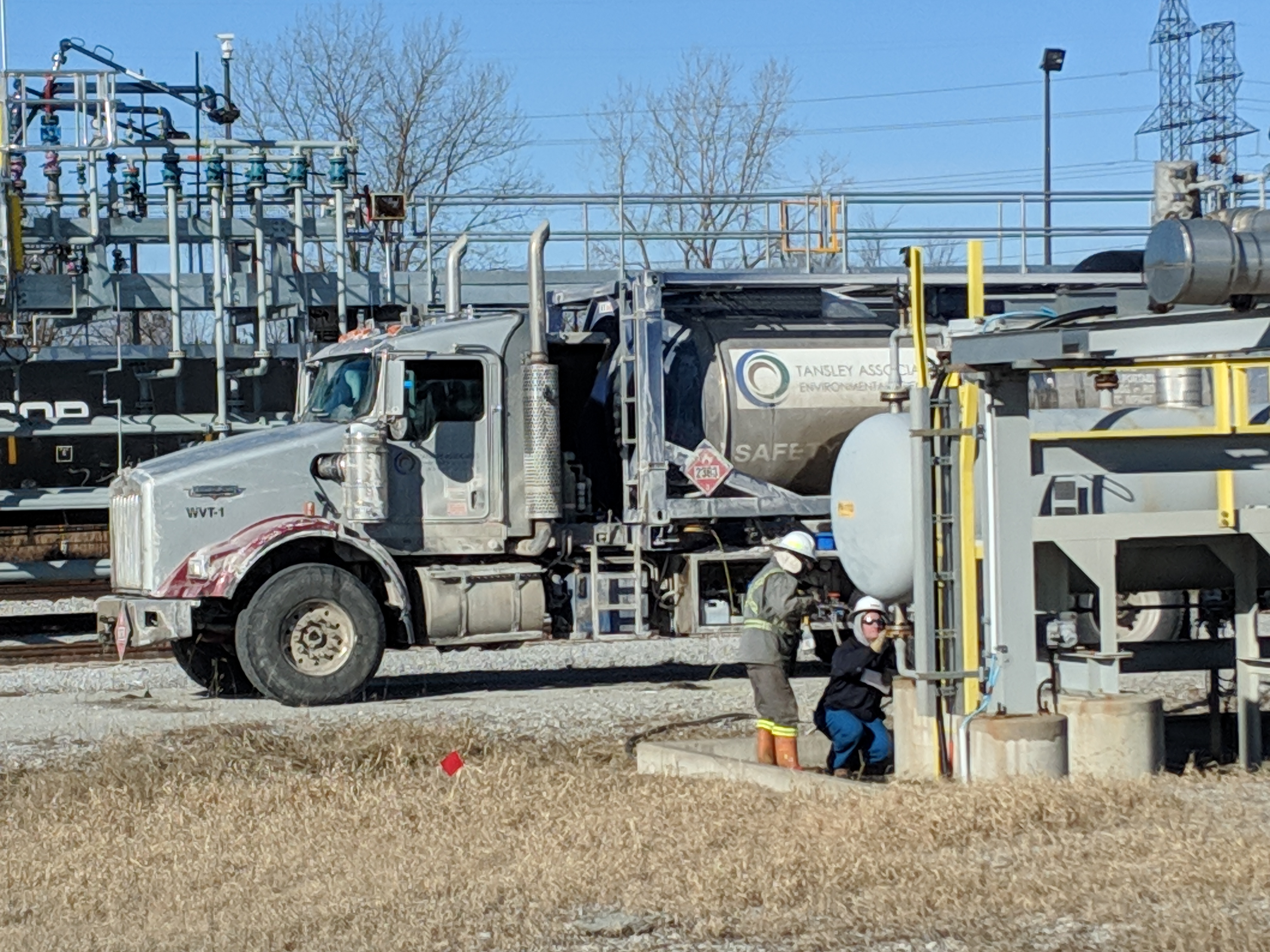
When service is required, a cleaned, maintained, and refilled vessel is delivered to site while the existing vessel is returned to a controlled facility environment. There, it undergoes maintenance, recertification, drying verification, and technology upgrades before returning to service.
This approach helps maintain continuity while reducing the operational burden placed on utility personnel.
Addressing Common Utility Concerns
Leasing often raises questions among engineering and operations teams. Fortunately, most concerns can be addressed through proper program design.
"We Lose Control if We Don't Own the Tank"
Ownership and control are not the same thing.
Utilities still maintain control over operations, procedures, and performance requirements. Leasing simply changes how the asset itself is managed throughout its lifecycle.
In many cases, leasing increases visibility by incorporating monitoring technology, scheduled maintenance, and structured reporting.
"Will This Pass Audit?"
Documentation is a critical component of any odorization program.
A properly managed leasing program should include inspection records, maintenance documentation, certification records, and lifecycle tracking that support audit and compliance requirements.
For many organizations, structured documentation can be easier to maintain under a leasing model than through independent asset management.
"What About Vendor Lock-In?"
Vendor relationships should always be evaluated carefully.
The key consideration is whether the program delivers measurable operational value through maintenance support, lifecycle planning, and system continuity.
Utilities should focus on long-term performance outcomes rather than ownership status alone.
"Our Existing Vessel Still Works"
This is often true.
However, the question is not whether a vessel still functions. The question is whether it represents the most efficient approach moving forward.
As vessels age, maintenance requirements increase, documentation becomes more critical, and replacement planning eventually becomes unavoidable.
Leasing allows organizations to address those challenges proactively rather than reactively.
Eliminating End-of-Life Planning
One of the most significant advantages of ISO odorant vessel leasing is that utilities do not need to plan for end-of-life vessel replacement and decommissioning in the same way they would with a traditionally owned asset.
Decommissioning an odorant vessel can involve controlled odorant removal, deodorization, transportation, disposal, documentation, and replacement planning. These activities can become some of the most costly and disruptive phases of the vessel lifecycle.
With a structured leasing model, vessels remain part of an ongoing exchange program. As part of scheduled service cycles, vessels are removed, maintained, upgraded, and returned to operation without requiring utilities to manage complex end-of-life projects.
This allows organizations to focus on operations while reducing lifecycle complexity and long-term ownership responsibilities.
CapEx-to-OpEx Without Lowering the Standard
Shifting from capital ownership to an operational expense model does not mean lowering engineering standards.
The opposite is often true.
The most successful leasing programs maintain rigorous requirements for fabrication, inspection, maintenance, and compliance while creating a more predictable financial model.
By combining certified stainless steel vessels, remote monitoring, structured maintenance programs, and planned vessel exchanges, utilities can maintain high standards without carrying the full burden of ownership.
A Different Approach to Odorant Vessel Management
ISO odorant vessel leasing for natural gas applications offers more than a financing alternative. It provides a different way of managing odorant storage infrastructure.
Instead of focusing on individual assets, utilities gain access to a structured system that supports continuity from installation through maintenance and eventual replacement.
By combining leasing, remote monitoring, vessel exchange, and lifecycle management into a single program, utilities can shift their focus from managing equipment to managing operations.
For organizations evaluating the future of their odorant storage programs, leasing offers a practical path toward greater predictability, reduced lifecycle complexity, and improved long-term planning.
To learn more about odorant vessel leasing and AI-enabled vessel programs, explore Tansley's AI vessel solutions or contact Tansley Associates Environmental Sciences to discuss your system requirements.
If you have any odorant concerns or questions, we would be pleased to talk to you. Call 403.569.8566



.JPG)

