

Planning Odorant Vessel Replacement After Decommissioning: A Utility Upgrade Checklist
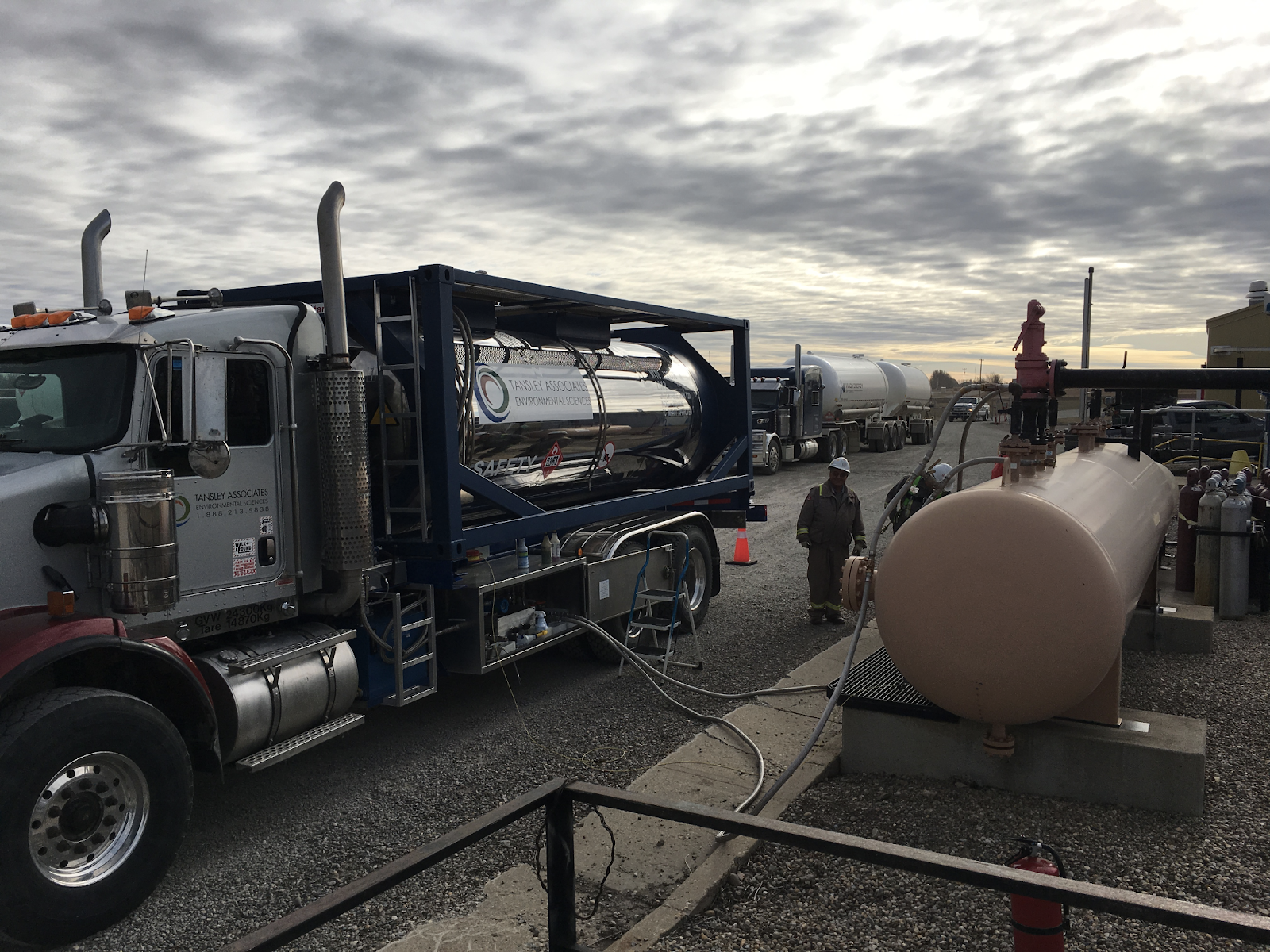
Decommissioning an odorant vessel is not simply the end of an asset's service life. For utilities that still require odorant storage on-site, it is also the beginning of the next vessel lifecycle.
That makes odorant vessel replacement planning an important part of the decommissioning project itself. Waiting until the existing vessel has been removed to begin evaluating the replacement can create unnecessary gaps between decommissioning, installation, commissioning, and the return to normal operations.
A planned approach gives engineering and operations teams an opportunity to assess the site, establish the requirements for the new vessel, organize documentation, evaluate procurement options, and determine how the replacement will be maintained over its service life.
For utilities preparing to upgrade an odorant storage vessel, the following checklist provides a practical framework.
Why Replacement Planning Belongs in the Same Project as Decommissioning
Odorant vessel decommissioning requires specialized planning because residual odorant remains a concern even after a vessel has been emptied.
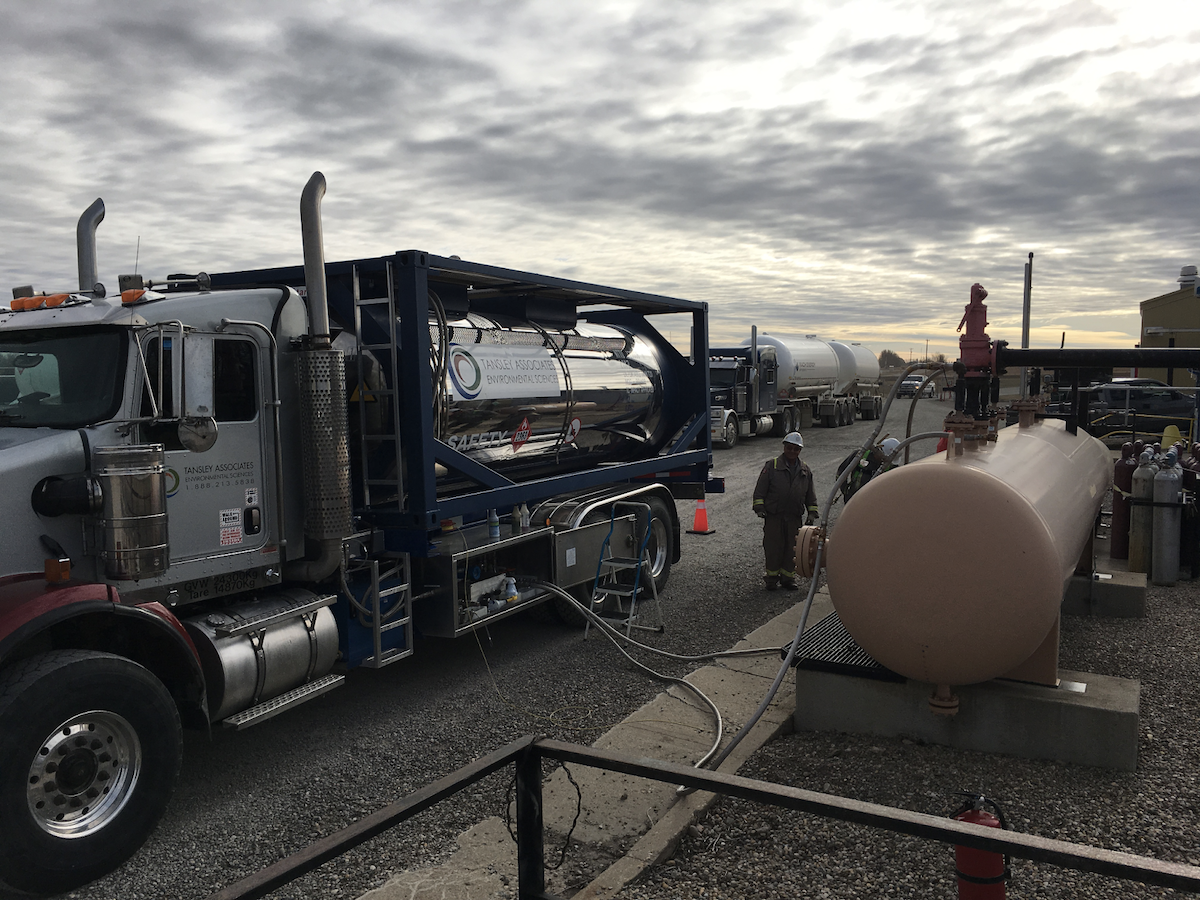
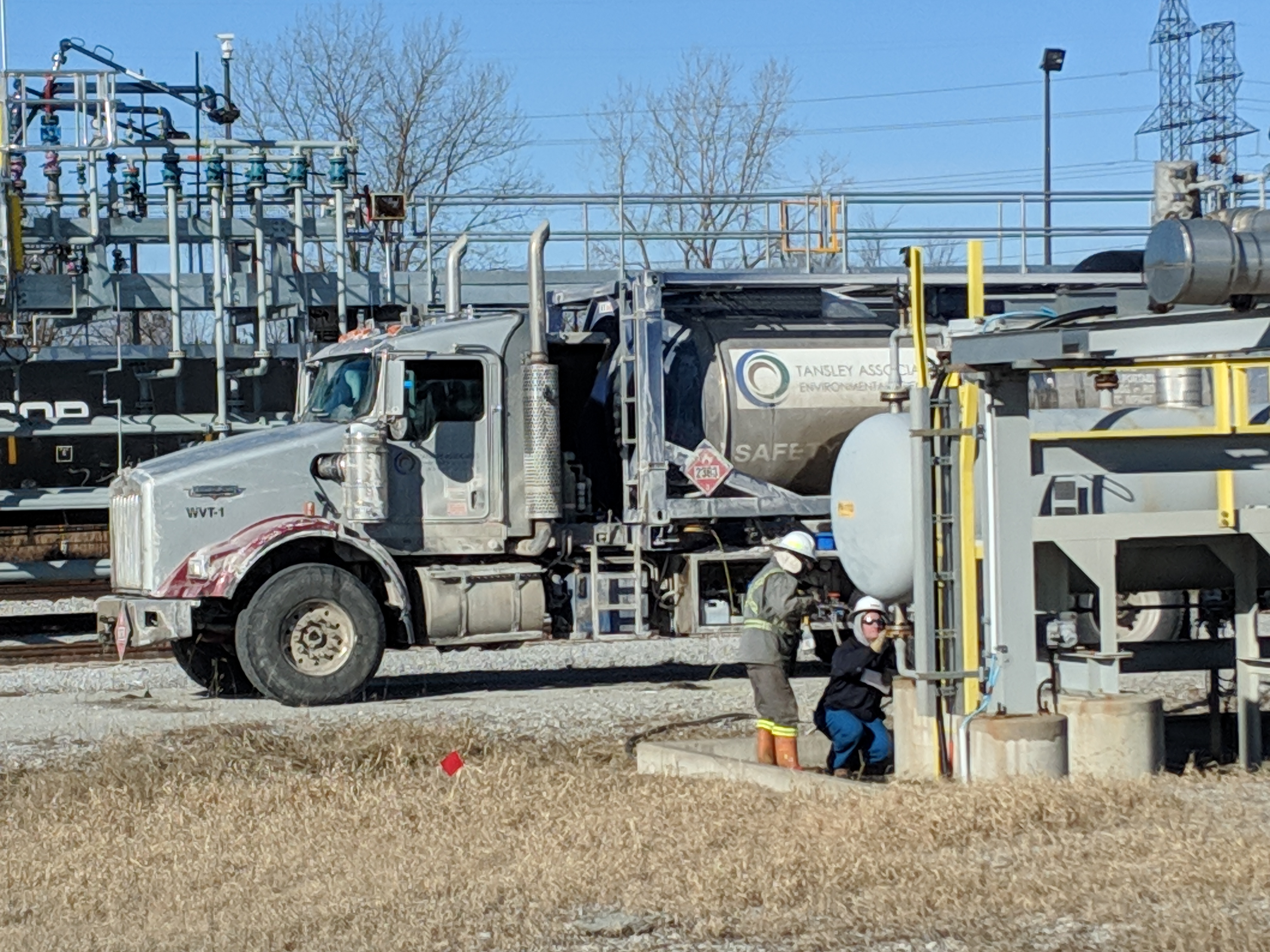
Odorant must be removed under controlled conditions, equipment must be safely disconnected, the vessel must be prepared for transportation, and deodorization and disposal must be completed appropriately. Tansley discusses this process in more detail in our article on odorant vessel decommissioning and deodorization considerations.
If the site will continue operating, however, decommissioning should not be planned in isolation.
The replacement vessel needs to be considered early enough that site requirements, engineering specifications, procurement, delivery, and commissioning can be coordinated around the removal of the existing asset.
This is also an opportunity to reconsider how the site will manage odorant storage going forward rather than automatically recreating the previous arrangement.
Odorant Vessel Upgrade Checklist
1. Site and Pad Assessment
Starting with the physical site, existing infrastructure should be evaluated against the dimensions, capacity, connections, access requirements, and operating needs of the replacement vessel.
The assessment should consider factors such as:
- Existing pad condition and dimensions
- Available space and site access
- Vessel capacity requirements
- Piping and connection locations
- Delivery and vessel exchange access
- Clearance and surrounding equipment
- Current and anticipated odorant consumption
- Potential impact of an odorant leak on the water table
Capacity deserves particular attention because the appropriate replacement is not necessarily a like-for-like vessel. Changes in system demand, odorant consumption, delivery frequency, or operating strategy may mean a different vessel size is better suited to the site.
Tansley's vessel program can be sized around utility requirements, helping operators align storage capacity with actual consumption and planned service intervals.
2. Regulatory and Documentation Baseline
Before specifying the replacement, you must establish the documentation requirements that will apply to the new vessel.
Pressure vessel records, inspection documentation, certifications, service history, and applicable regulatory requirements should be considered at the beginning of the project rather than assembled after installation.
For an ISO odorant vessel, documentation should remain connected to the asset throughout its lifecycle so engineering, operations, inspectors, and auditors can understand its status and service history.
This is also the point to identify future inspection requirements. Planning for the odorant vessel 4-year maintenance cycle before commissioning helps avoid treating the first major inspection as an unexpected future project.
Documentation should be viewed as part of the vessel specification, not an administrative task that follows it.
3. Engineering Spec: Establishing the New Standard
An odorant vessel replacement project provides an opportunity to establish the performance requirements expected from the next vessel lifecycle.
Engineering teams should consider more than basic storage capacity.
Specifications may include:
- ISO vessel requirements
- Stainless steel construction
- Interior surface finish
- Weld inspection and verification
- Dryness verification before filling
- Level monitoring technology
- Required fittings and connections
- Vessel capacity and configuration
- Inspection and recertification requirements
- Future maintenance and exchange strategy
- Inline odorant quality monitoring
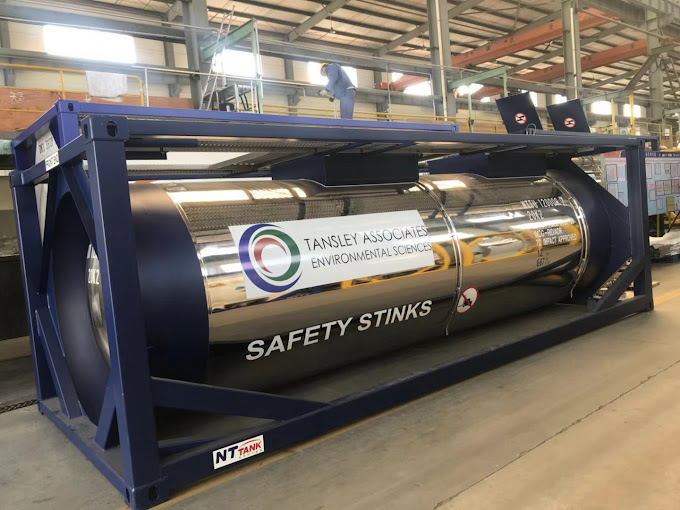
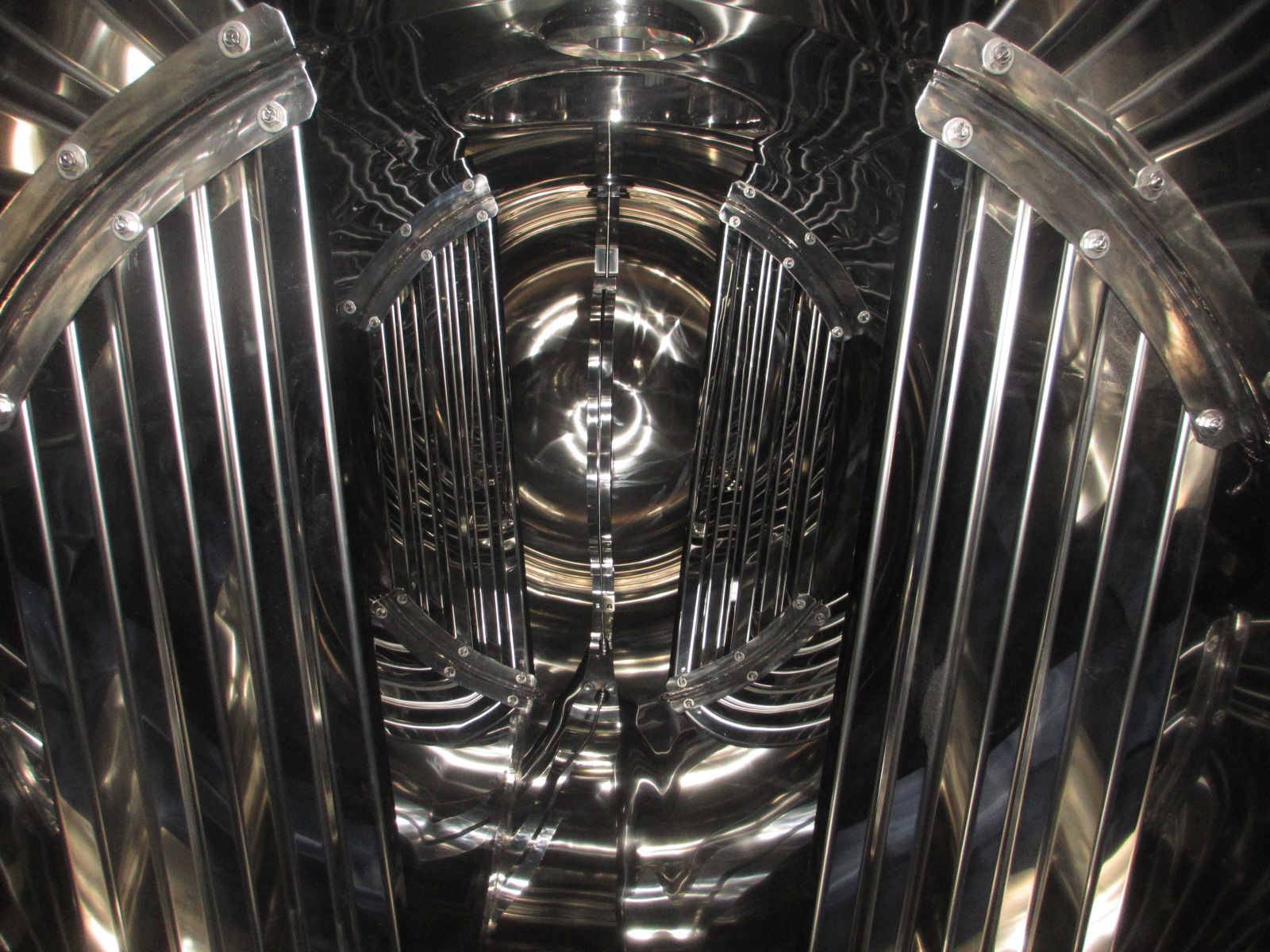
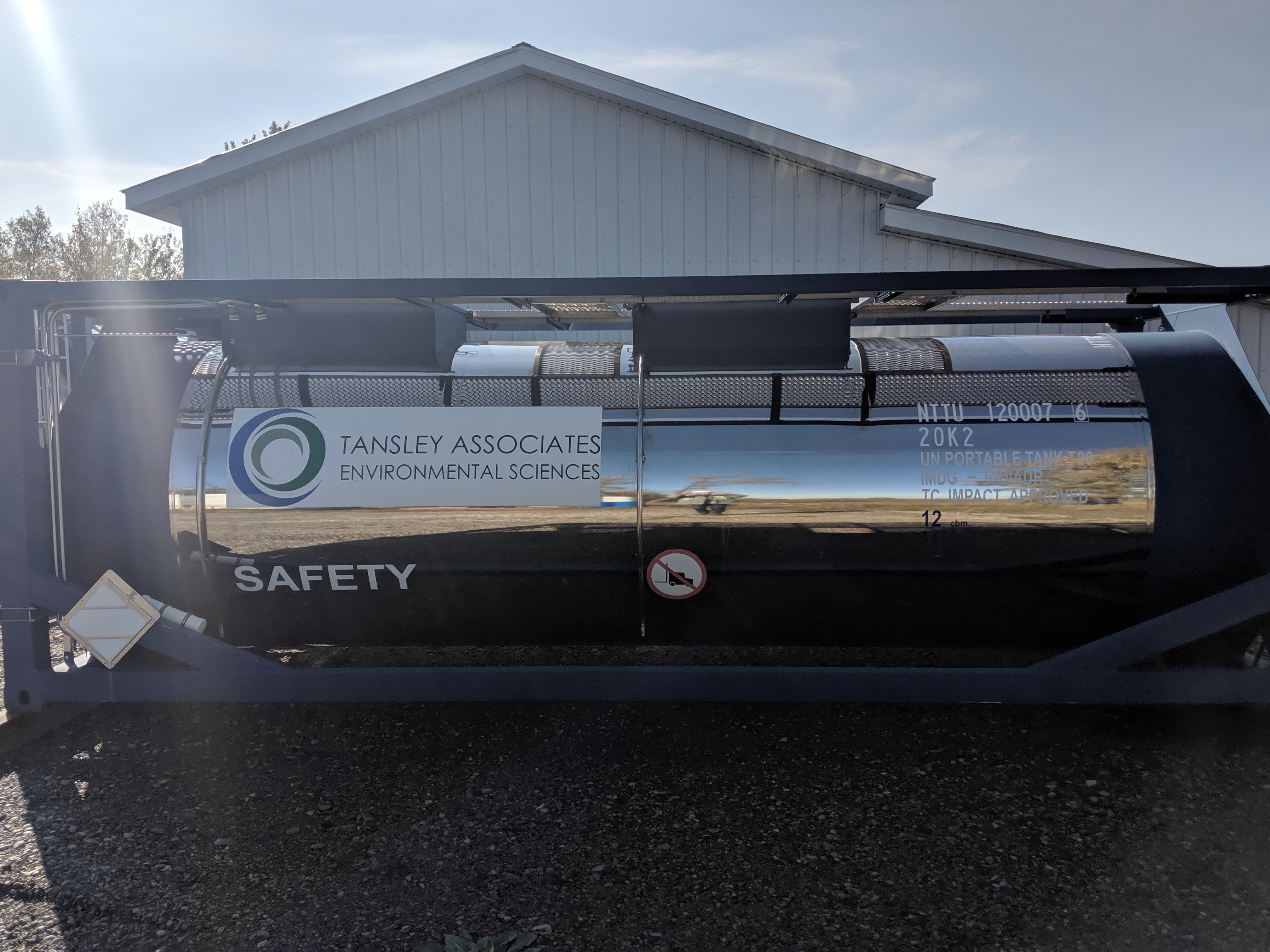
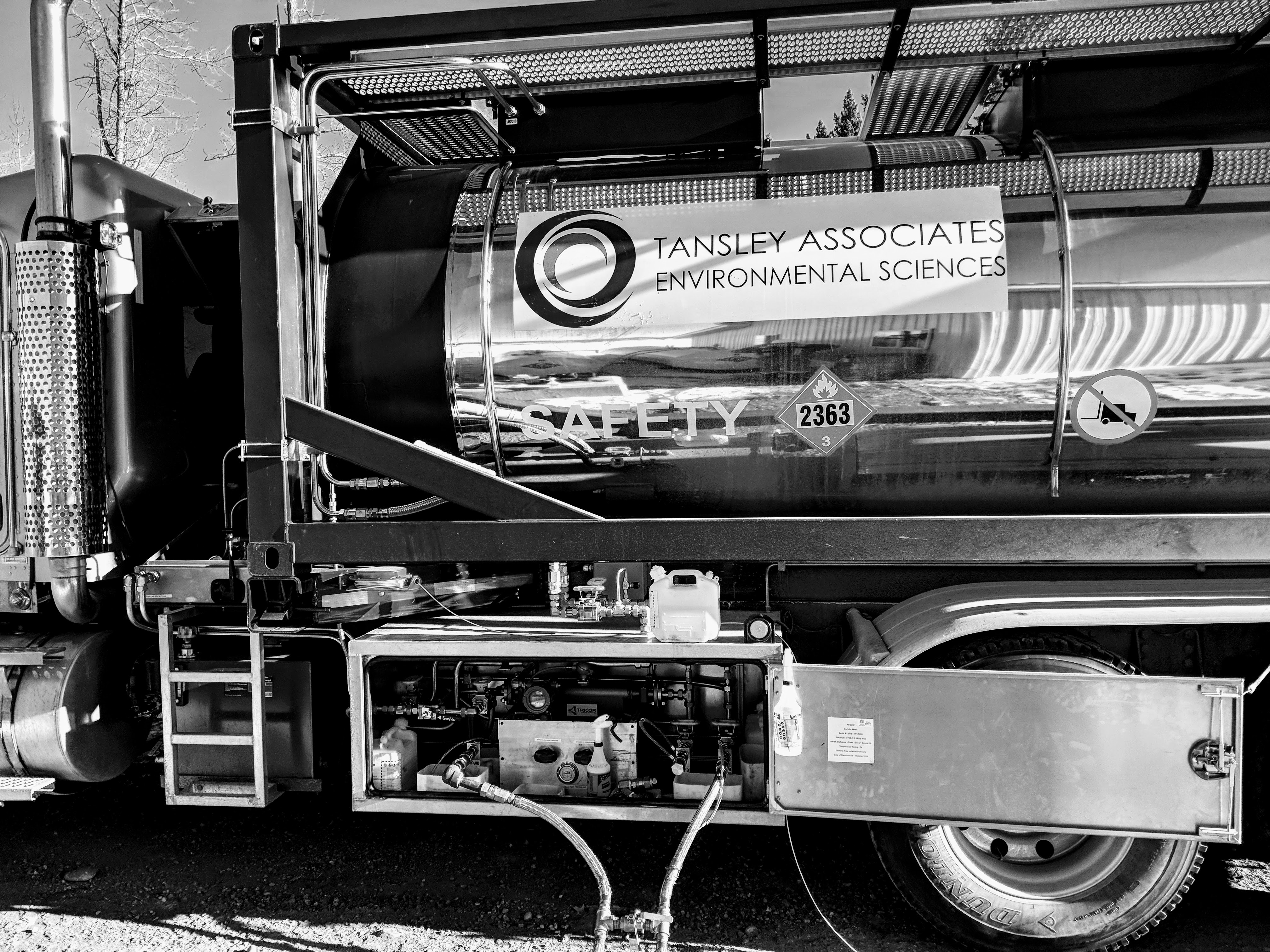
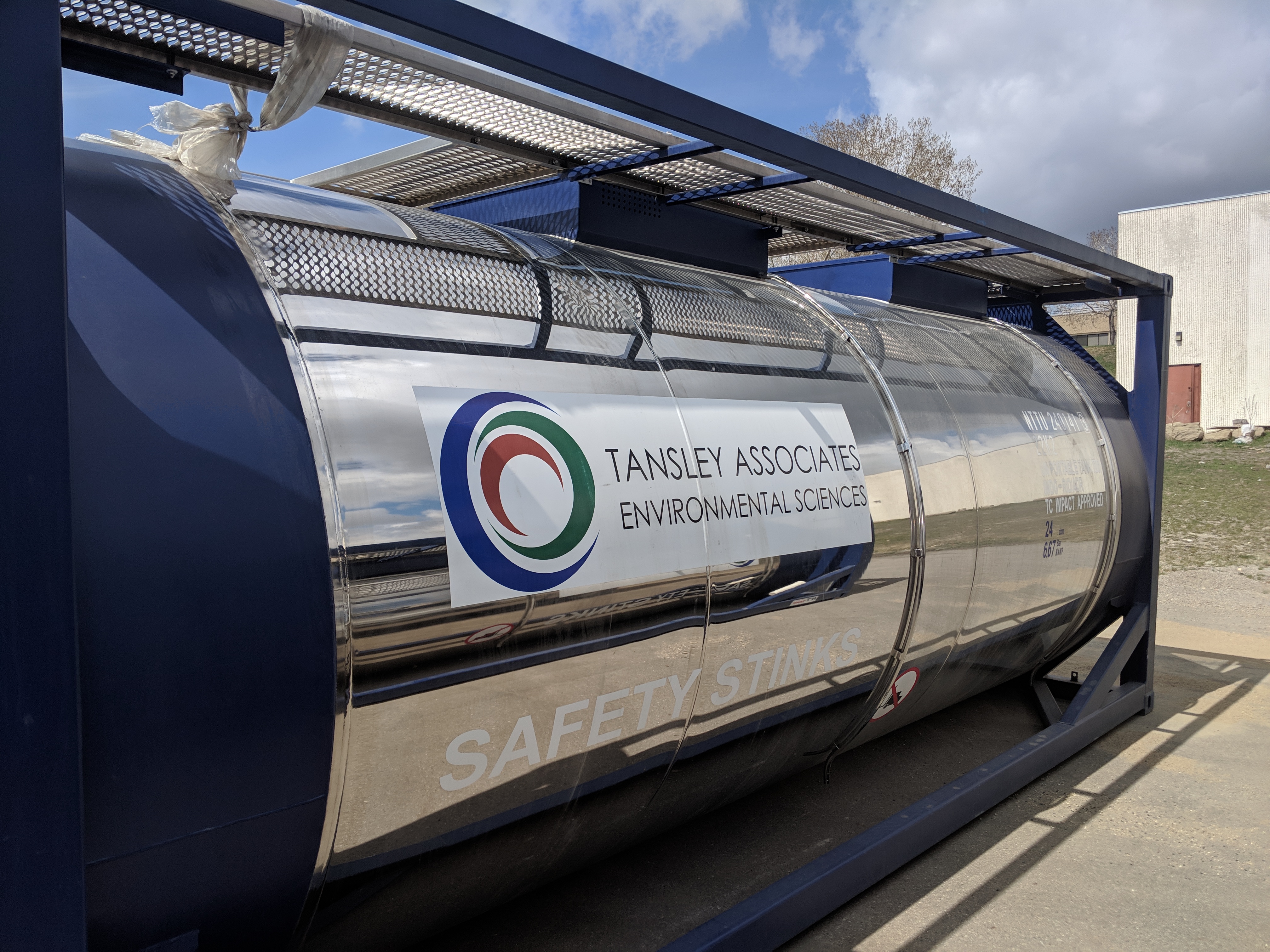
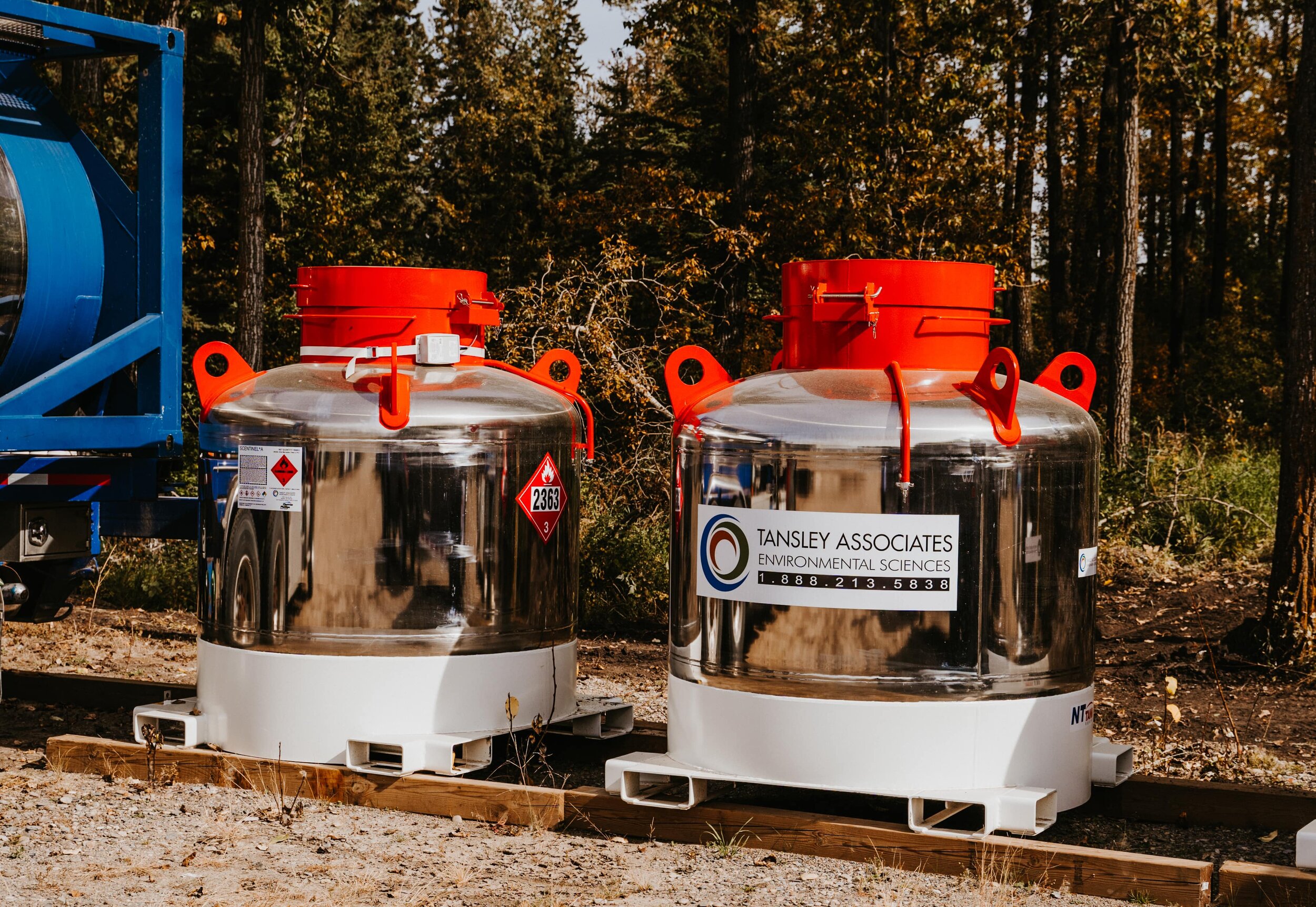
For example, Tansley's stainless steel odorant vessels use a 0.2-micron mirror-polished interior to support cleaning, drying, and odorant quality. Welds are X-rayed, inspections are independently verified, and a Certificate of Dryness confirms that the vessel has been properly prepared before filling.
These details establish a documented starting point for the vessel rather than leaving critical quality controls to be addressed after installation.
4. Procurement: Lease vs. Buy
Replacement planning is also the right time to reconsider how the vessel is procured.
Traditional ownership places the responsibility for the asset's lifecycle on the utility. That includes planning inspections, maintenance, recertification, future upgrades, and eventually another decommissioning project.
An odorant vessel leasing model changes that structure.
With Tansley's leasing program, vessels are supplied as part of a managed lifecycle. When scheduled service is required, Tansley delivers a full, recertified, and service-ready vessel to the site and removes the existing vessel for maintenance, drying verification, quality assurance checks, and technology upgrades before it is prepared for its next service cycle.
This approach can move odorant vessel costs from a large capital purchase toward predictable operating expenses while reducing the internal lifecycle responsibilities associated with vessel ownership.
For utilities evaluating the financial and operational differences, our guide to ISO odorant vessel leasing for natural gas explores the CapEx-to-OpEx model in greater detail.
5. Install, Fill, and Commissioning
A replacement vessel should arrive ready to become part of an operating odorization system, not as another asset requiring extensive preparation onsite.
Before commissioning, utilities should confirm that required documentation is complete and that the vessel has been appropriately inspected, prepared, dried, and filled.
Commissioning planning should account for:
- Delivery and positioning
- Connection to the odorization system
- Required pressure and leak testing
- Instrument and monitoring verification
- Documentation handover
- Confirmation of odorant inventory
- Establishment of baseline operating data
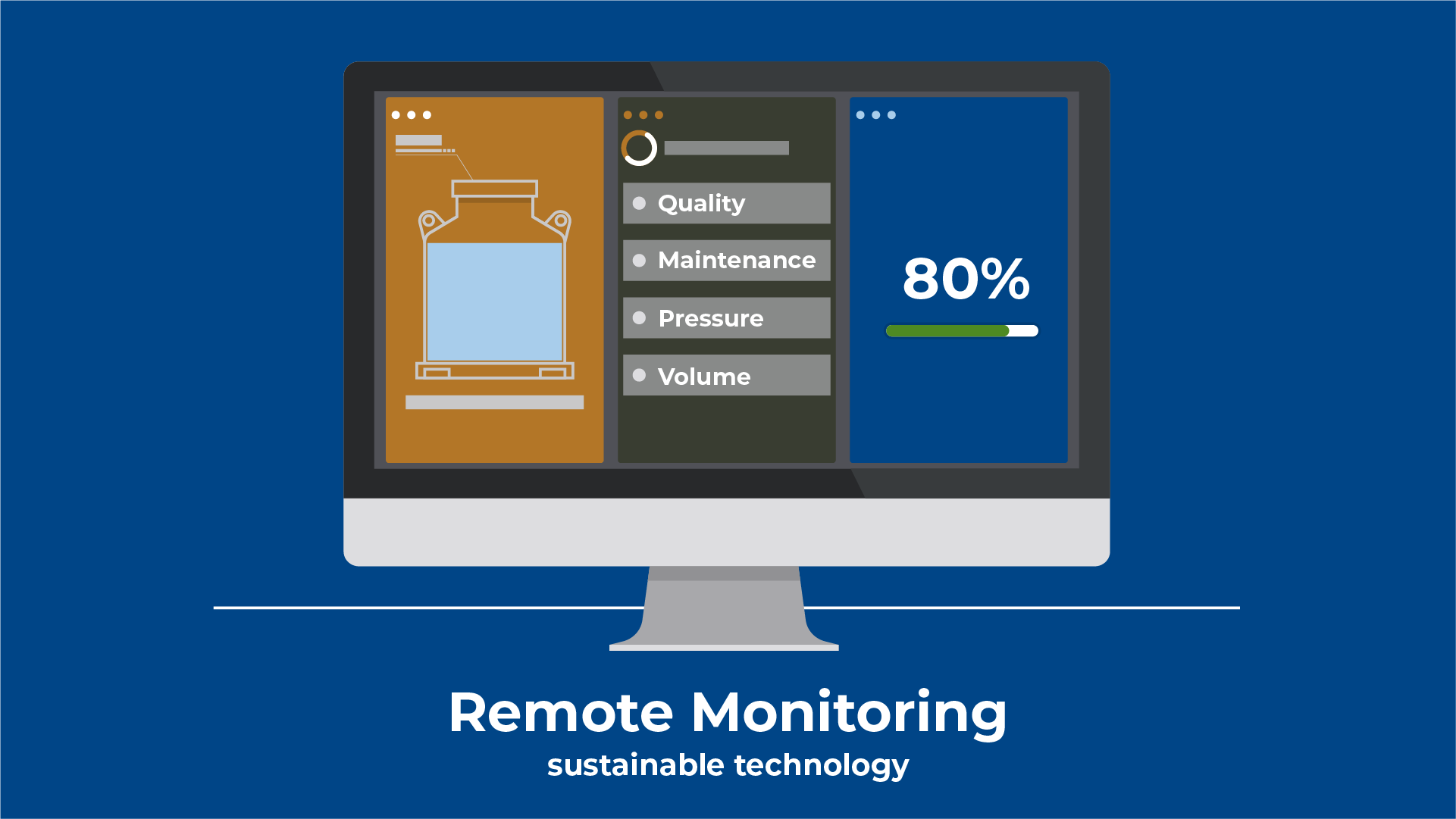
Where remote monitoring is incorporated, commissioning also establishes the starting point for tracking odorant levels and usage.
Radar sensor odorant level monitoring provides continuous data without relying solely on manual checks, while AI-enabled odorant storage pressure vessels can use operational data to support planning for future delivery, service, and vessel exchange.
6. Ongoing Lifecycle
Commissioning should not be the end of the replacement project. The utility should already know how the vessel will be inspected, maintained, monitored, recertified, and eventually exchanged or removed from service.
A structured lifecycle plan should identify:
- Inspection intervals
- Maintenance responsibilities
- Documentation requirements
- Monitoring procedures
- Service and exchange planning
- Recertification requirements
- Responsibility for eventual decommissioning
This is where the difference between replacing an asset and improving the way the asset is managed becomes clear.
Tansley's approach treats the vessel as part of a continuous service cycle. Vessels can be monitored during operation and exchanged when service is required, while maintenance, cleaning, recertification, drying verification, and technology upgrades are completed away from the utility site.
The result is continuity from one vessel cycle to the next rather than repeatedly planning individual maintenance and replacement projects.
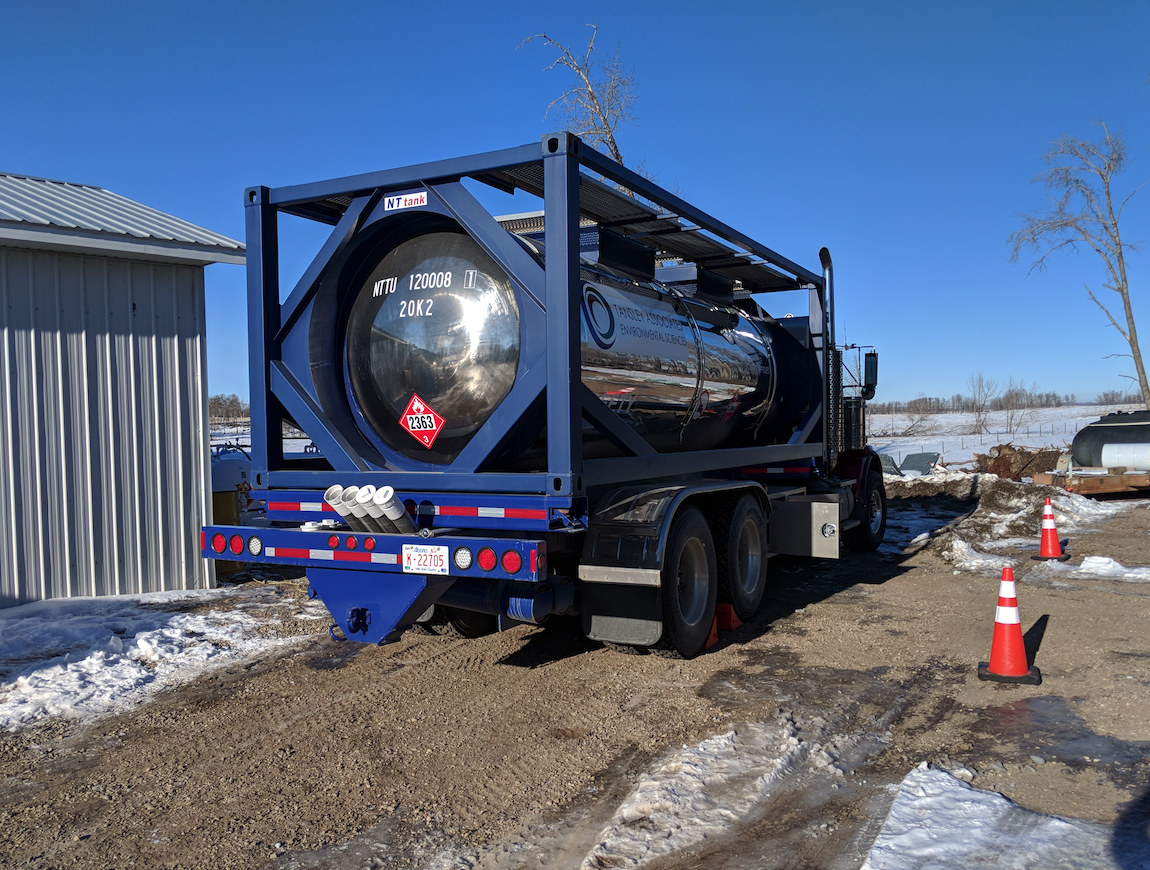
Replace the Liability, Not Just the Vessel
An odorant vessel replacement project is an opportunity to address more than an aging asset.
By considering decommissioning, site requirements, vessel specifications, documentation, procurement, commissioning, monitoring, and long-term maintenance together, utilities can establish a more predictable approach to odorant storage for the next service cycle and beyond.
The objective should not simply be to install another vessel in the same location. It should be to determine what the site needs now, how that vessel will be managed over time, and how future inspection, maintenance, and replacement requirements will be handled before they become urgent.
If your organization is planning an odorant vessel replacement or preparing to decommission an existing vessel, explore our odorant services or contact Tansley Associates Environmental Sciences to discuss replacement and leasing options designed to simplify long-term vessel management.
If you have any odorant concerns or questions, we would be pleased to talk to you. Call 403.569.8566



.JPG)

