How an Odorant Vessel Swap Works for Natural Gas Utilities
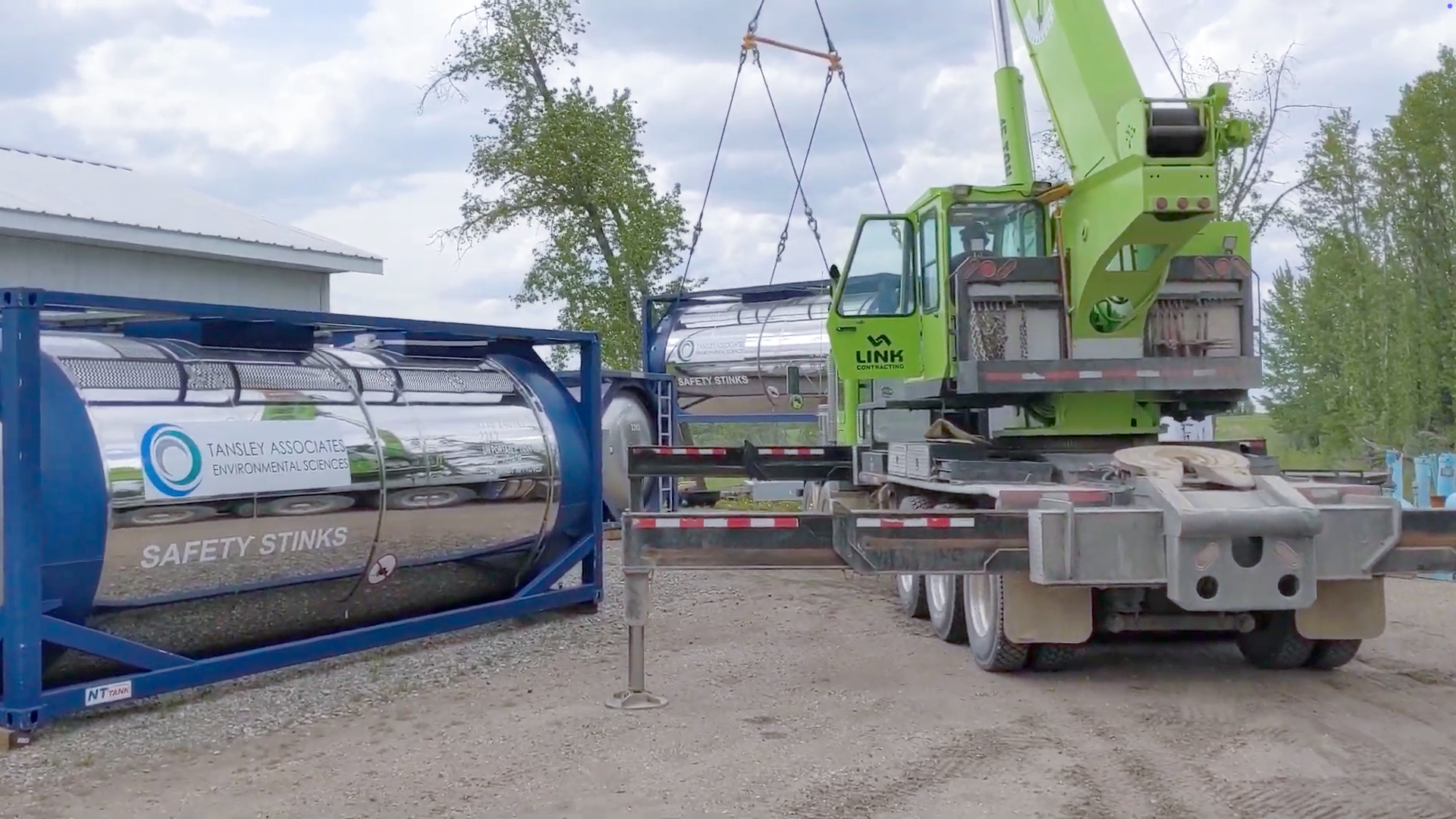
Managing an odorant vessel does not have to mean scheduling repeated liquid transfers at the utility site.
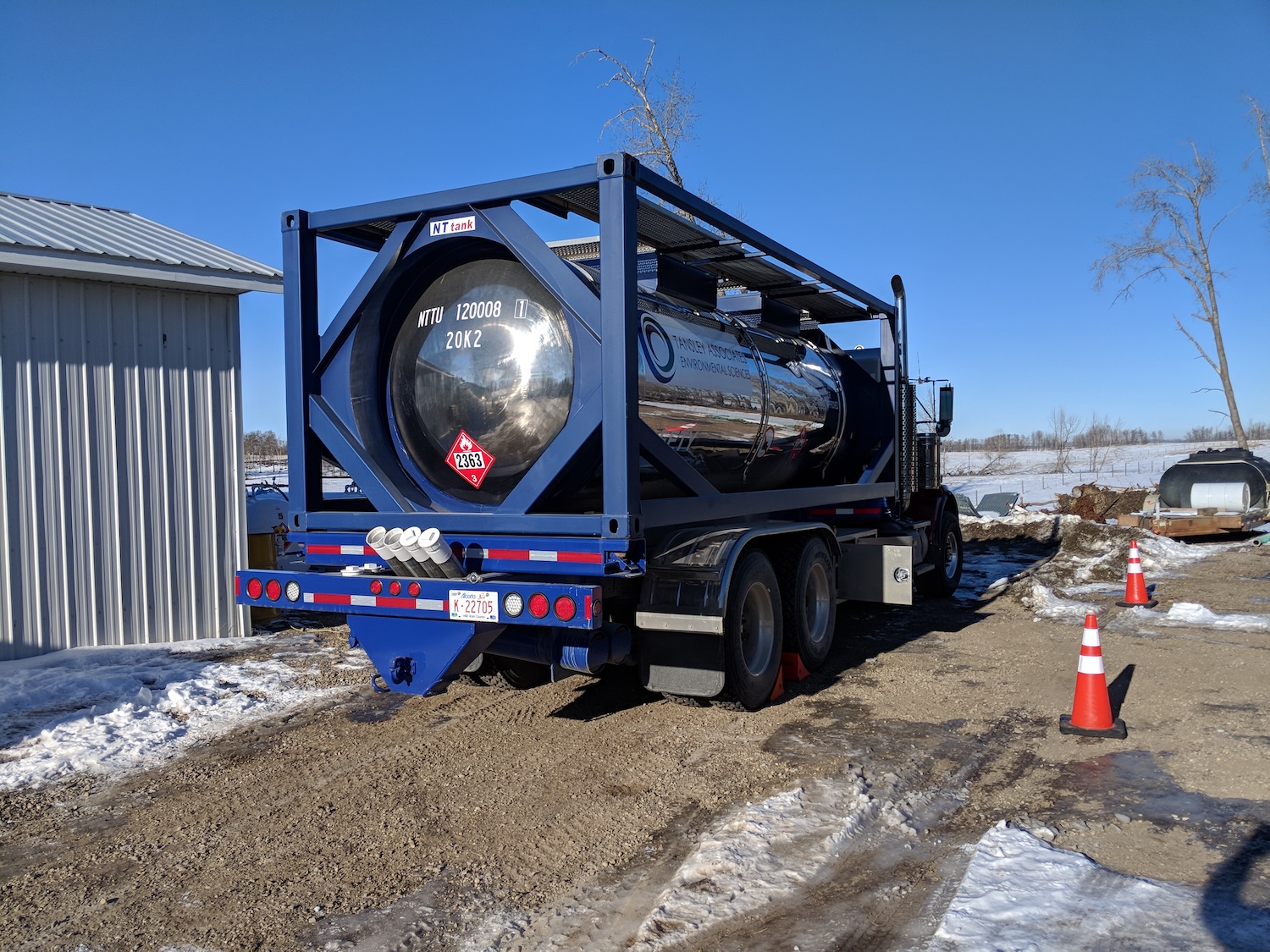
An odorant vessel swap changes that operating model. Instead of treating the vessel as permanent infrastructure that must be refilled and maintained in place, a transportable vessel can be exchanged as part of a planned service cycle.
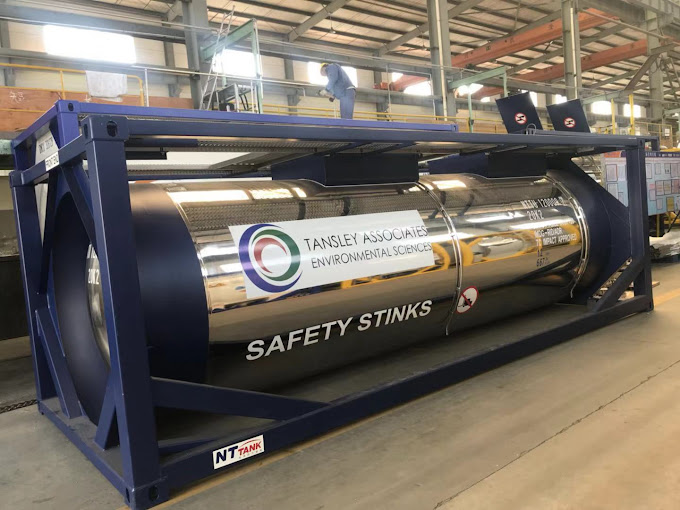
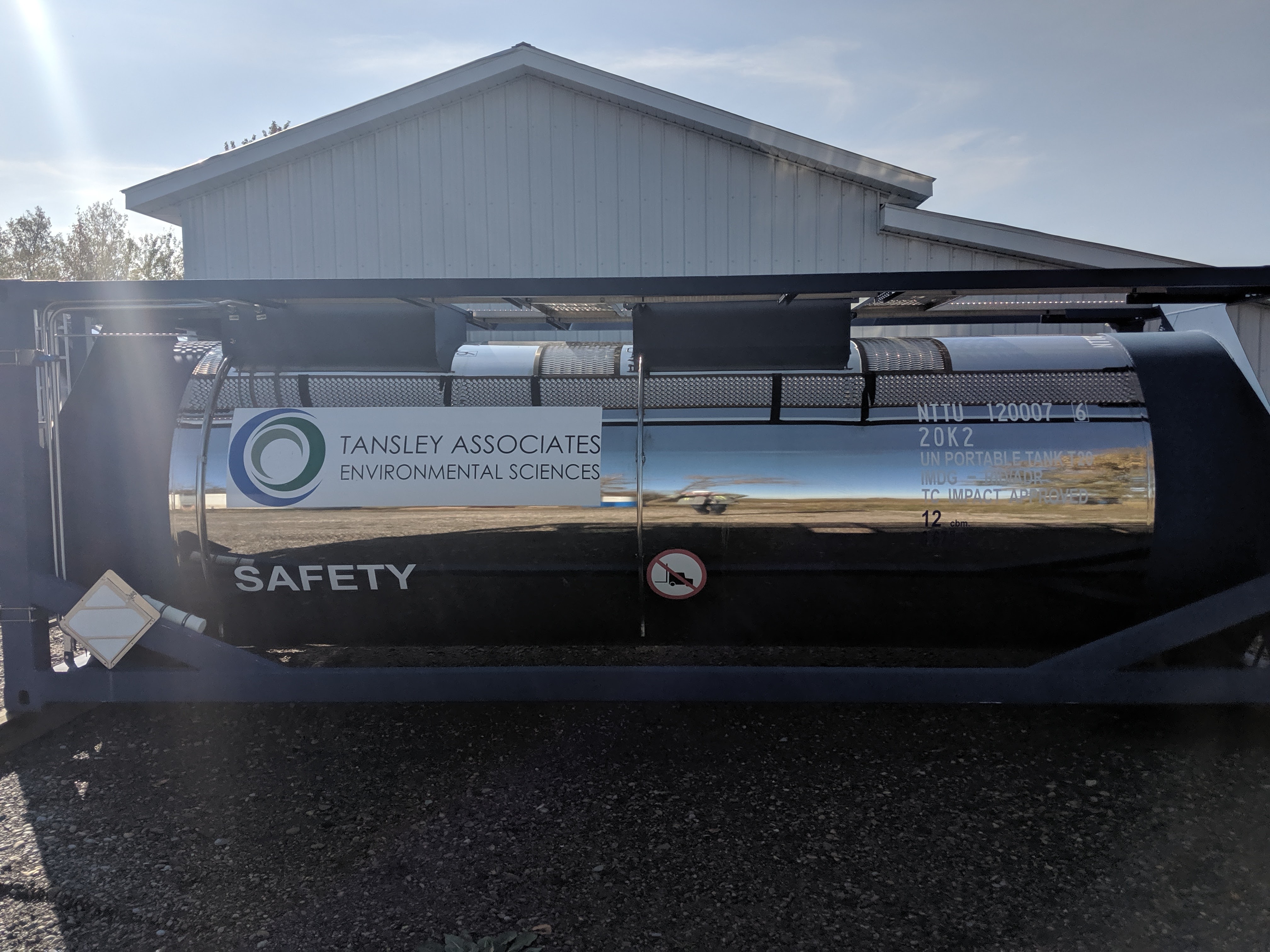
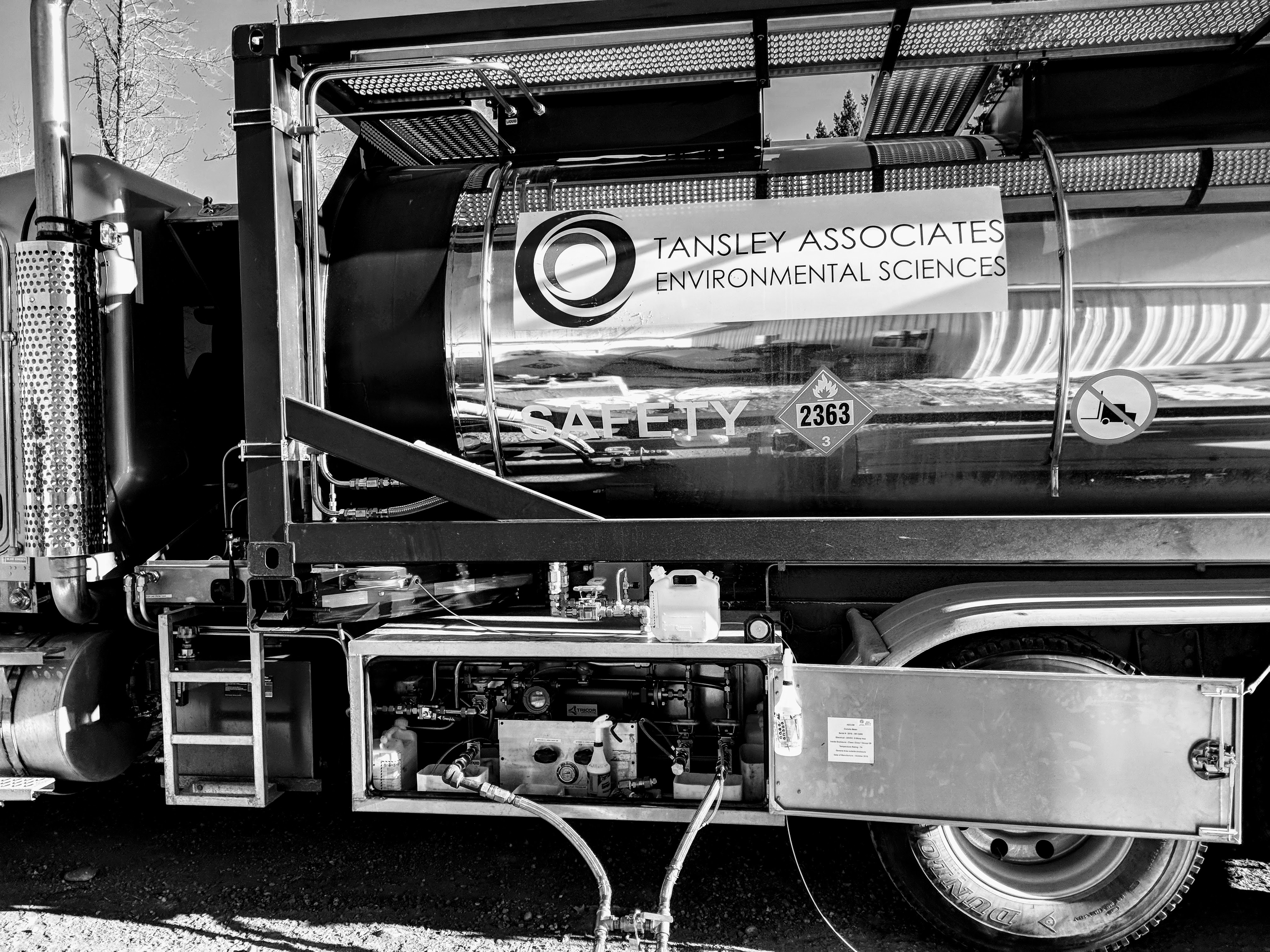
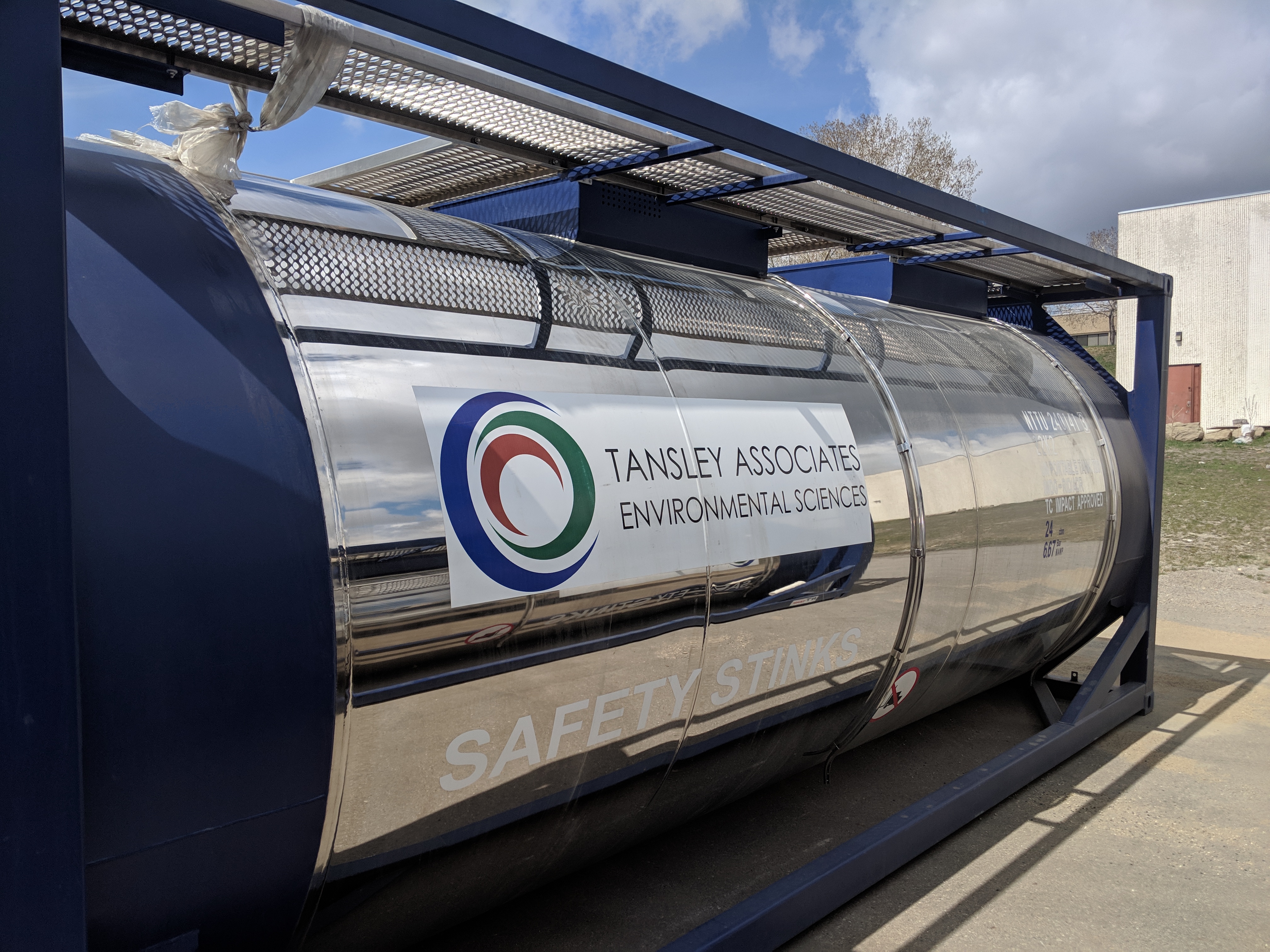
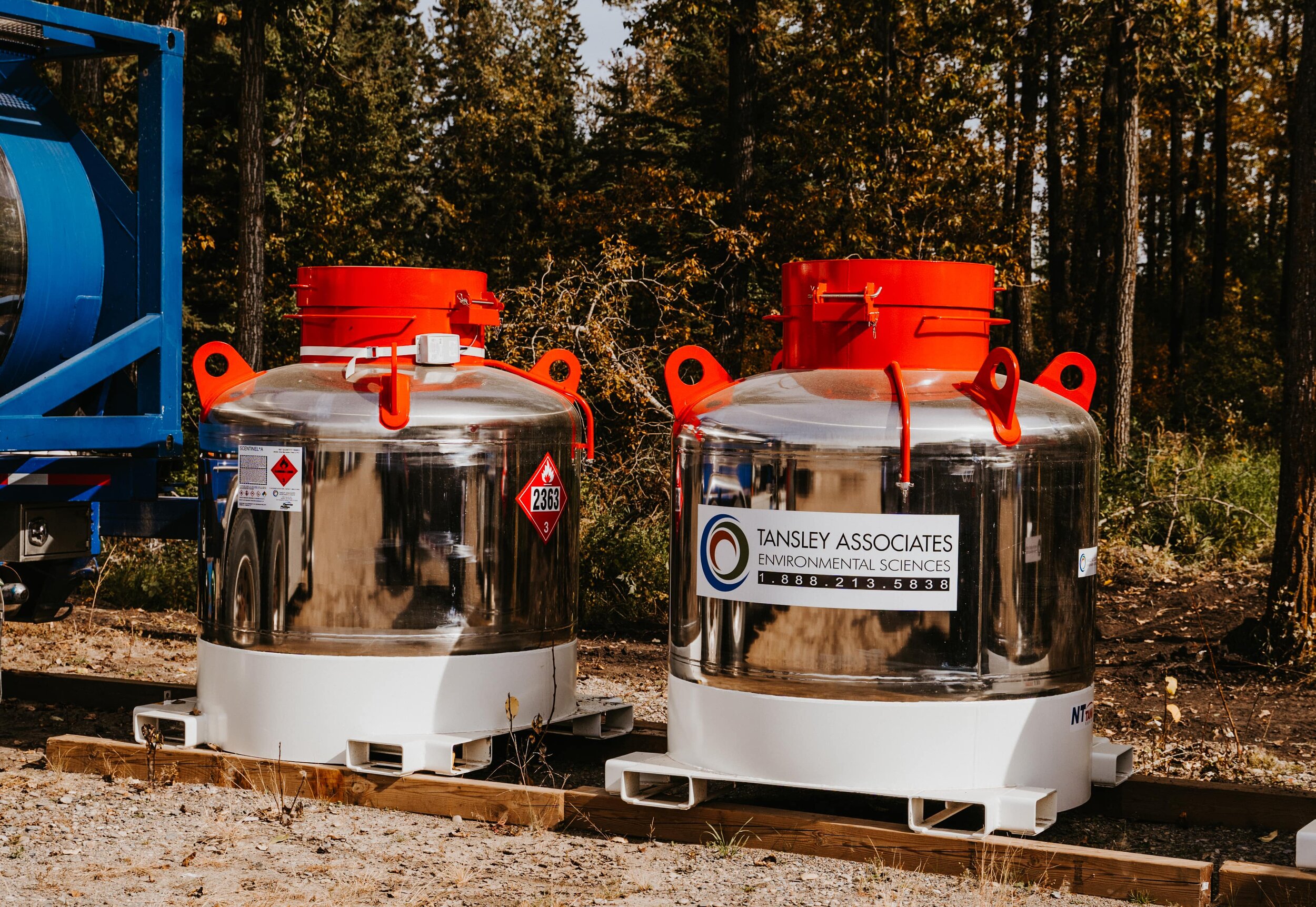
Tansley's leasing program is built around this approach. The vessel is sized to the utility's requirements and supplied, filled, recertified, and service-ready. When an exchange is required, Tansley delivers the replacement vessel and removes the existing vessel for off-site inspection, cleaning, maintenance, drying verification, recertification, refilling, and technology upgrades as required.
For utilities, the result is a different way of thinking about odorant storage. The vessel, its contents, its maintenance requirements, and its next service cycle are managed together.
Why utilities want liquid transfer off the pad
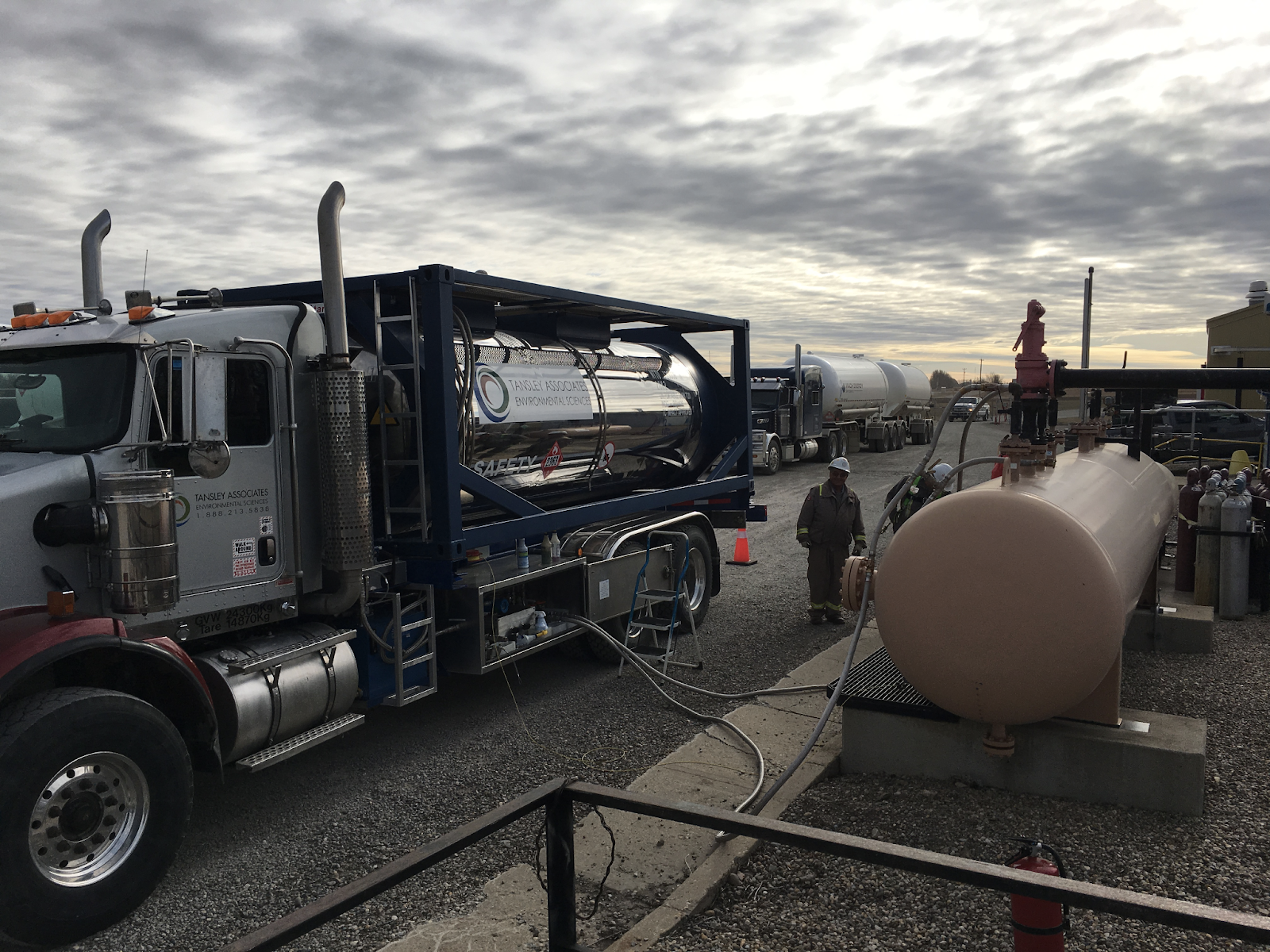
Every onsite odorant transfer adds activity to the utility site. Personnel and transfer equipment must be coordinated, connections have to be managed correctly, and the process involves handling highly odorous product at an operating gas facility. Even when the procedure is routine, it is another field activity that must be planned and controlled.
Reducing the frequency of those transfers can simplify operations.
With a vessel exchange model, capacity can be selected around actual odorant consumption so the vessel contains enough product to support a longer operating interval. Tansley vessels can hold up to several years of odorant depending on the application and consumption rate.
The objective is not simply to install the largest vessel possible. It is to select a vessel that makes sense for the site's consumption, available space, access, and operating requirements.
This can reduce delivery frequency and the amount of onsite odorant handling required over the vessel's service cycle.
What an odorant vessel swap is (and is not)
An odorant vessel swap is the planned exchange of one transportable odorant pressure vessel for another service-ready vessel.
It is not simply an odorant refill.
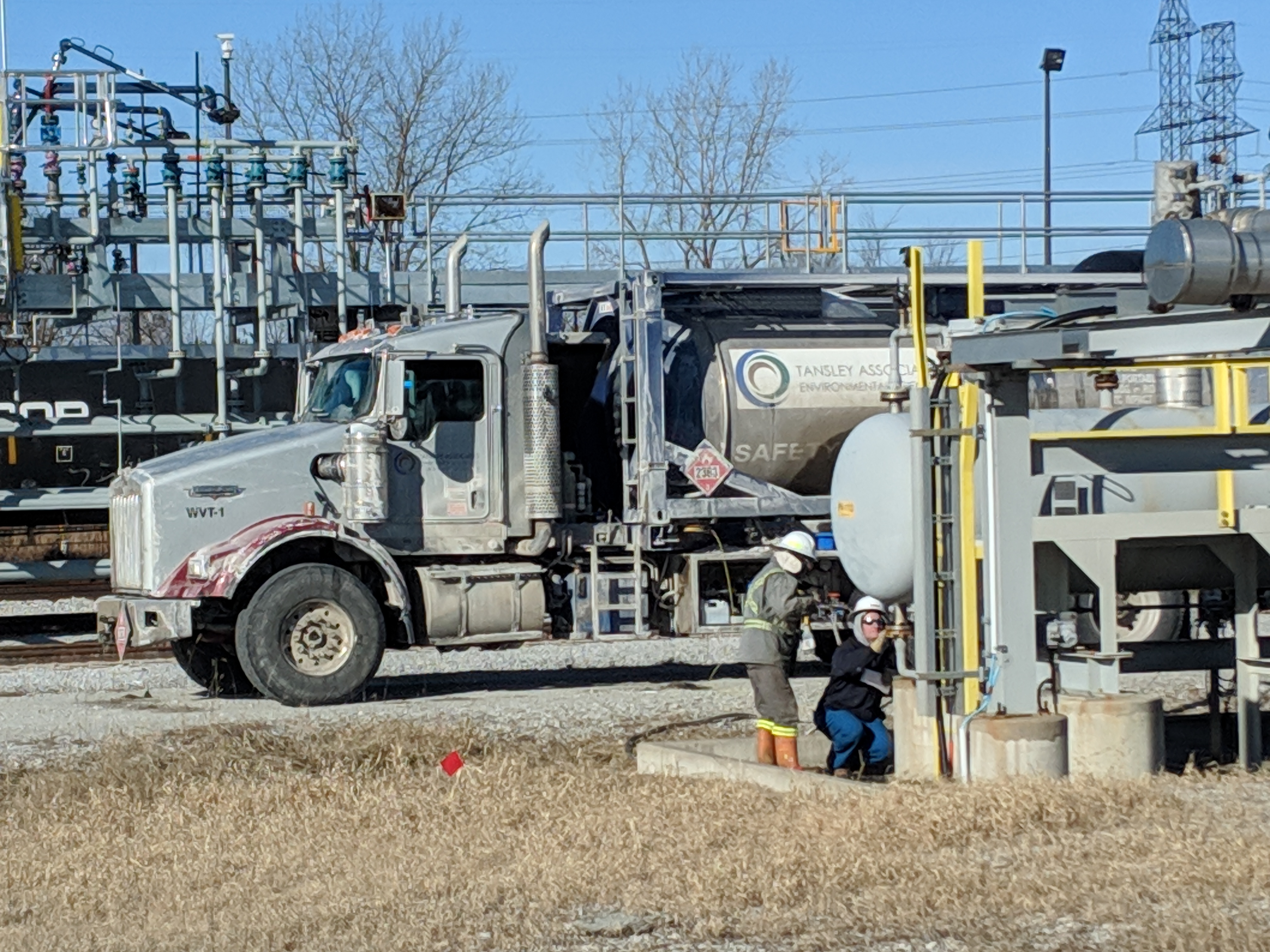
Instead of bringing bulk product to the site and transferring it into the existing vessel, Tansley brings the replacement vessel to the utility. The existing vessel is removed and taken off site for the work required before its next service cycle.
That distinction is important because the exchange addresses more than odorant inventory. It creates a planned opportunity to manage inspection, maintenance, recertification, cleaning, dryness verification, and future technology upgrades away from the operating utility site.
The utility does not have to coordinate each of those activities independently around a permanently installed vessel.
This is one of the key differences between traditional ownership and ISO odorant vessel leasing.
How a filled odorant vessel swap works
The details of an odorant vessel exchange depend on the site, vessel size, connections, access, and utility requirements, but the operating sequence should be planned before the exchange takes place.
1. Site size and access
The process starts with the site itself. Vessel capacity must be matched to expected odorant consumption, but physical considerations matter as well. Available pad space, access for delivery equipment, clearances, existing piping and connections, and the ability to safely position and remove a vessel all influence the final configuration.
Planning these requirements upfront helps make future exchanges repeatable rather than treating each swap as a new logistics project.
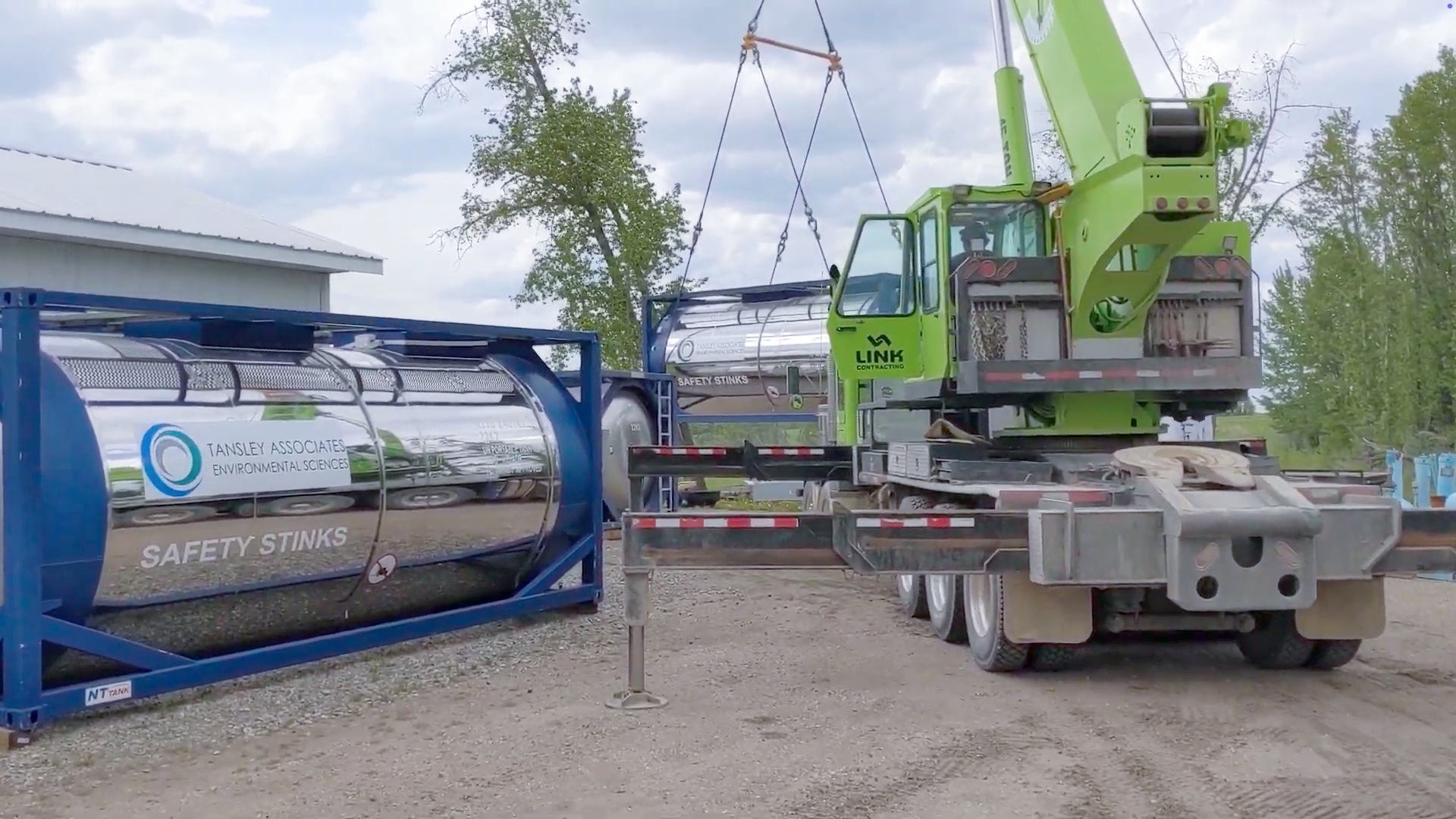
2. Crane-in of the filled vessel
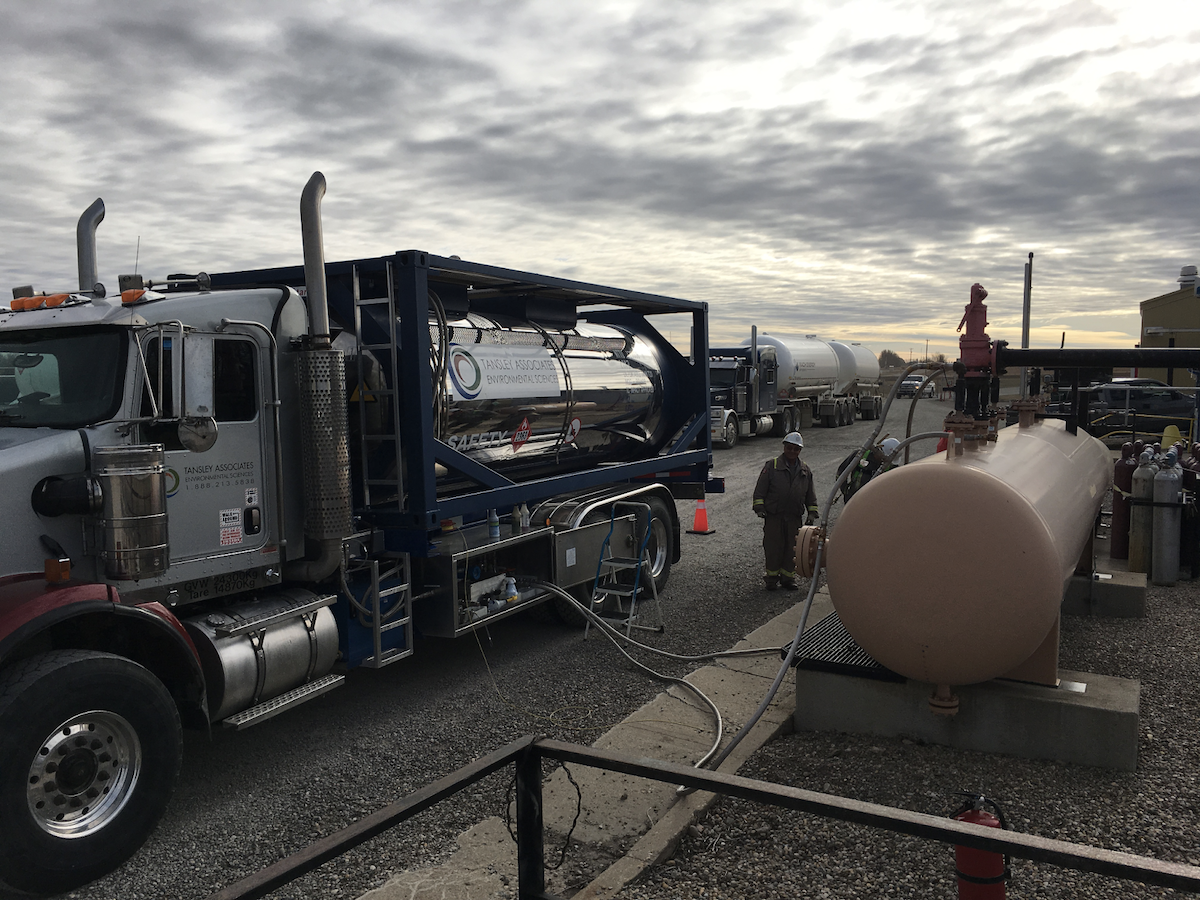
Tansley delivers a filled, recertified, and service-ready vessel to the utility site.
Depending on the installation and vessel size, appropriate lifting equipment is used to position the incoming vessel. The existing vessel can then be removed from the site as part of the planned exchange.
This moves the more involved vessel servicing activities away from the utility pad and into a controlled off-site environment.
3. Tie-in and commissioning checks
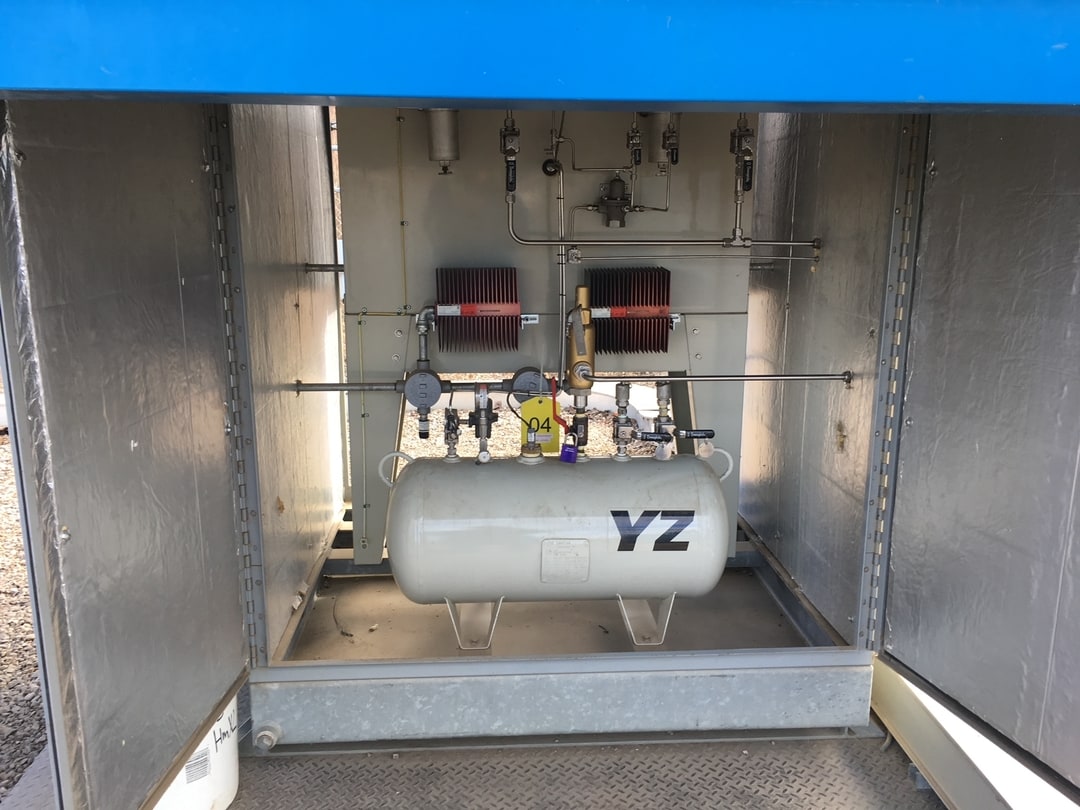
Once the incoming vessel is positioned, it must be properly connected and prepared for operation.
The commissioning process should confirm the integrity of connections, verify that the vessel and associated equipment are functioning as intended, and establish the appropriate operating baseline for the new service cycle.
Documentation is also part of commissioning. The incoming vessel should arrive with the records necessary to establish its identity, inspection status, certification, and service readiness.
4. Remote volume monitoring between swaps
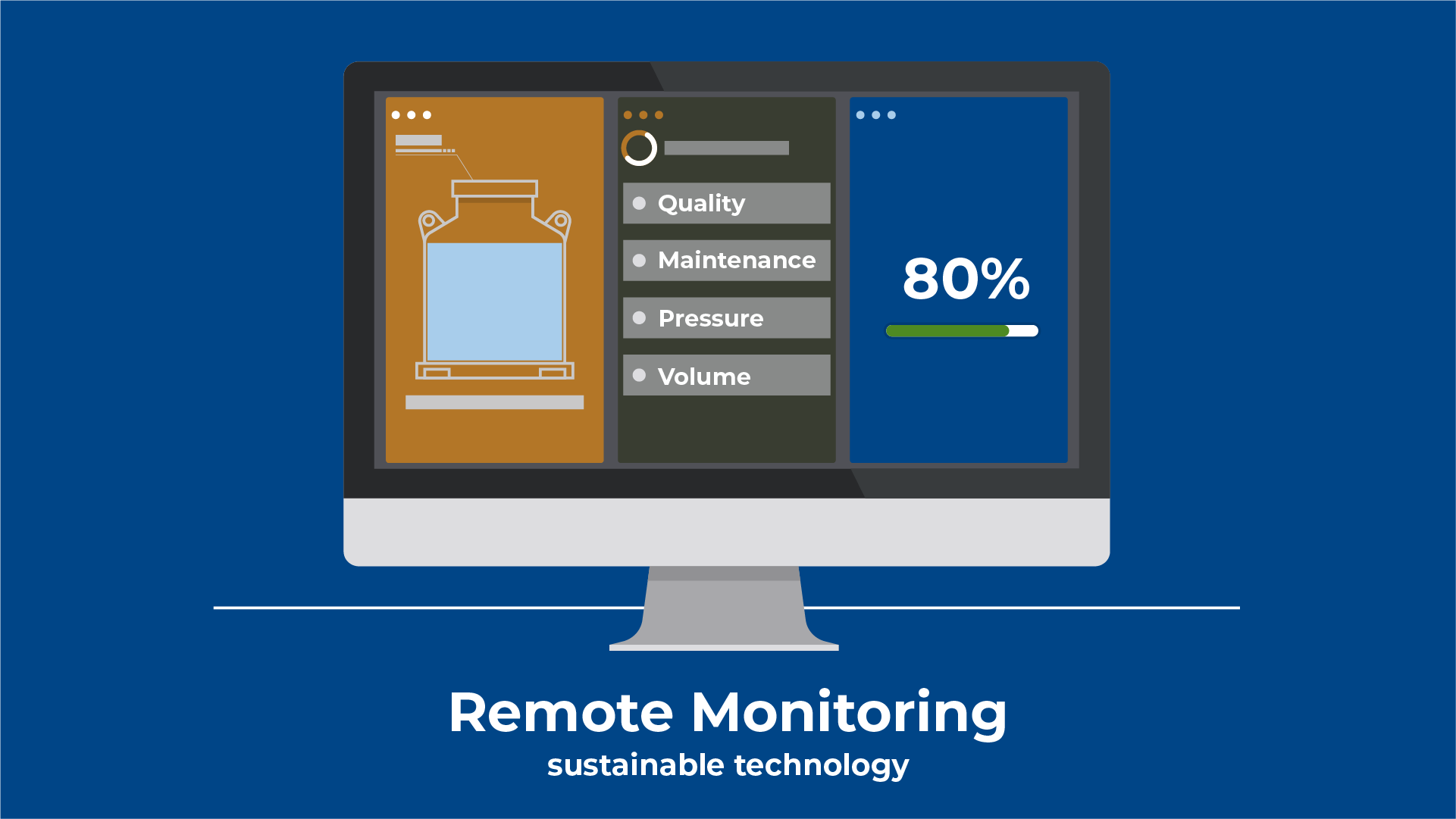
Once the vessel is operating, remote level monitoring can provide visibility into odorant inventory between site visits.
Tansley's radar sensor odorant level monitoring provides level data without relying on traditional float technology. This information can help utilities and service teams understand consumption trends and plan ahead for the next exchange.
This is different from continuous odorant quality monitoring. Level monitoring answers the question of how much odorant remains in the vessel. Inline odorant quality monitoring is intended to provide greater visibility into the condition of the product itself.
Tansley is working toward incorporating this additional capability into its broader vessel technology platform, creating the potential for future vessel programs to provide information about both odorant quantity and quality.
5. Scheduled shop recert and return
The vessel removed from the utility site enters a structured off-site service process.
Depending on the vessel and service requirements, that can include inspection, cleaning, maintenance, drying verification, recertification, refilling, and technology upgrades before the vessel is prepared for another service cycle.
Tansley's 4-year odorant vessel maintenance cycle provides a framework for keeping these activities planned rather than waiting for a vessel issue to force maintenance in the field.
A Certificate of Dryness also provides documented verification that the vessel has been properly dried before odorant is introduced.
6. Residual handling stays with the vessel owner
Removing the vessel also changes who manages the work that follows.
Under Tansley's leasing model, Tansley retains ownership of the vessel. The utility is therefore not left to independently coordinate the vessel's off-site maintenance or eventual end-of-life process.
That becomes particularly important when a vessel ultimately reaches the point where it must be permanently removed from service. Odorant vessel decommissioning involves residual product, vapours, deodorization, transportation, and final disposition.
Tansley's approach to odorant vessel decommissioning and deodorization keeps those responsibilities within the managed vessel lifecycle rather than leaving the utility to address them at the end of an owned asset's life.
What documentation should arrive with the incoming vessel
A vessel exchange should include more than the physical vessel.
The incoming vessel should be supported by documentation that allows the utility to establish what has arrived and its current service status.
Depending on the vessel and application, that documentation can include vessel identification and specifications, applicable certifications, inspection and recertification records, maintenance documentation, dryness verification, and other records associated with preparing the vessel for service.
Keeping those records connected to the vessel supports traceability throughout subsequent exchanges and service cycles.
For utilities reviewing their broader documentation practices, our guide to odorant storage vessel regulations and compliance outlines the types of lifecycle records engineering and operations teams should maintain.
How monitoring and inspection cadence drive swap timing
An odorant vessel swap should not happen simply because someone notices the vessel is getting low.
Inventory is one part of the equation. Inspection requirements, maintenance schedules, recertification, site consumption, vessel condition, and operating data should all contribute to planning the next exchange.
Remote level monitoring makes it easier to understand consumption and remaining inventory between site visits. Over time, continuous odorant quality monitoring may provide another layer of information about changes in the product itself.
The result is a more informed approach to scheduling. Rather than separating odorant delivery from vessel maintenance and inspection, the exchange can bring those activities into a coordinated lifecycle.
Spec the operating sequence before the commercial model
Before deciding whether to lease or purchase an odorant vessel, utilities should first determine how they want the system to operate.
How much odorant should the vessel hold? How often should personnel need to visit the site? Will liquid odorant be transferred onsite or will the vessel be exchanged? How will level and product quality be monitored? Where will maintenance occur? Who is responsible for inspection, recertification, residual product, technology upgrades, and eventual decommissioning?
Those operating decisions determine what the vessel program needs to accomplish.
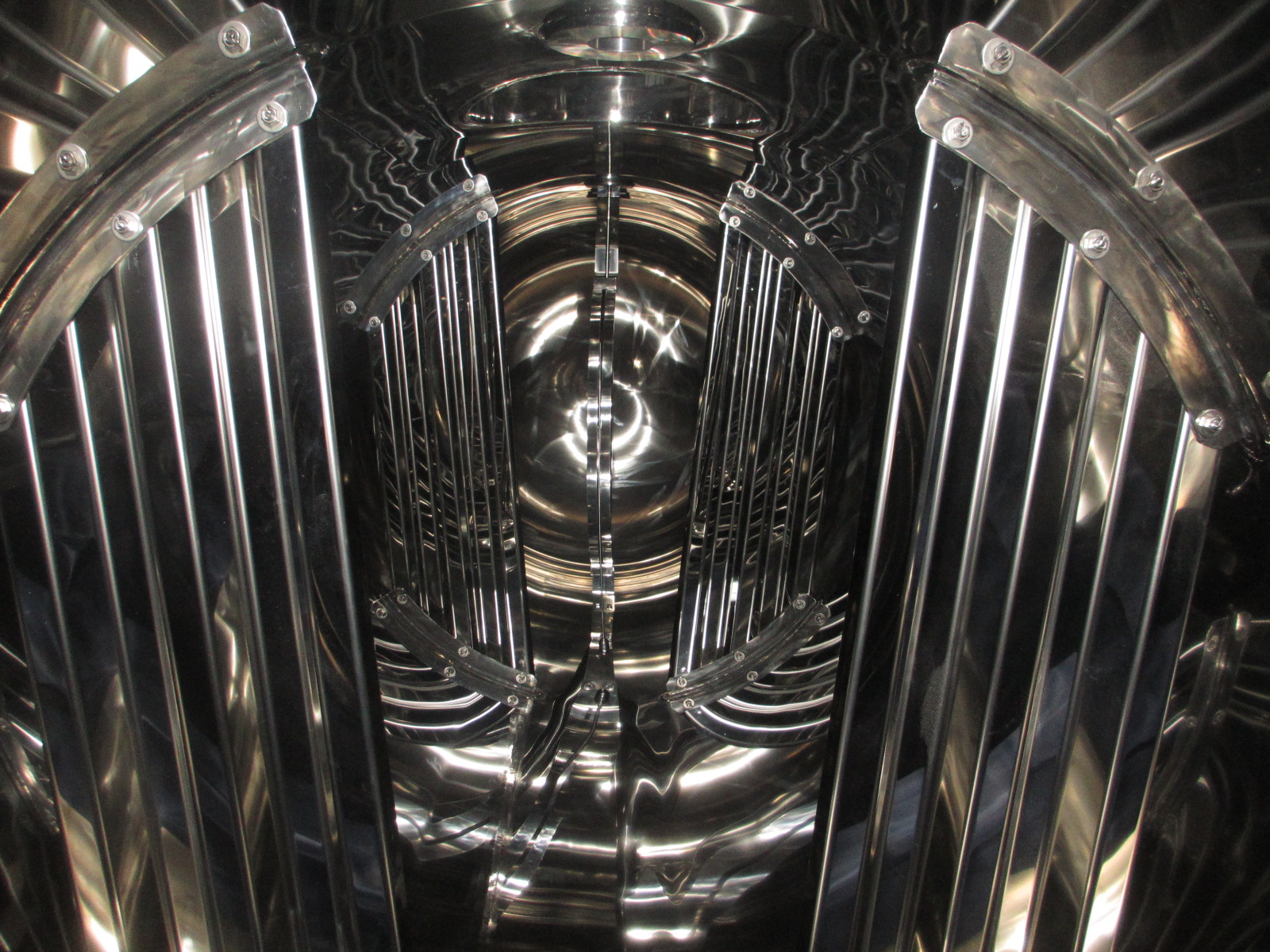
For utilities looking to reduce onsite odorant handling and move toward a planned exchange cycle, Tansley's model combines transportable stainless steel vessels, remote monitoring, scheduled maintenance, recertification, and off-site vessel servicing within a managed leasing program.
Explore Tansley's odorant services or contact Tansley Associates Environmental Sciences to discuss an odorant vessel exchange program for your utility.
If you have any odorant concerns or questions, we would be pleased to talk to you. Call 403.569.8566