

The Top Three Ways Odorant Pressure Vessels Get Contaminated
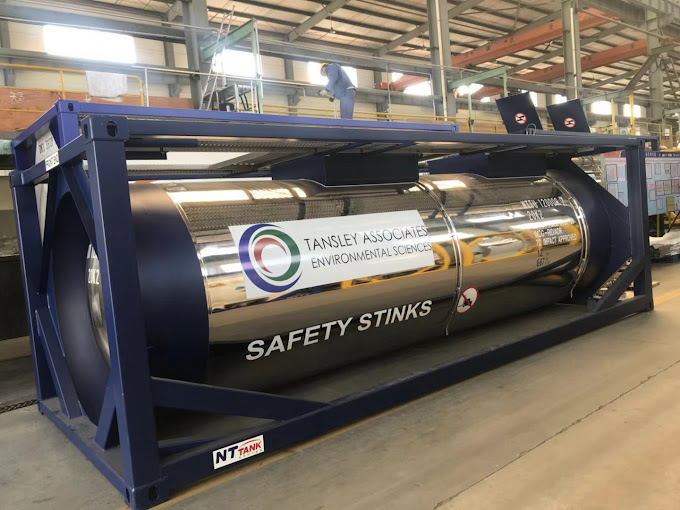
Odorant quality depends on more than the injection system. The condition of the storage vessel itself plays a major role in maintaining stable, reliable odorization over time.
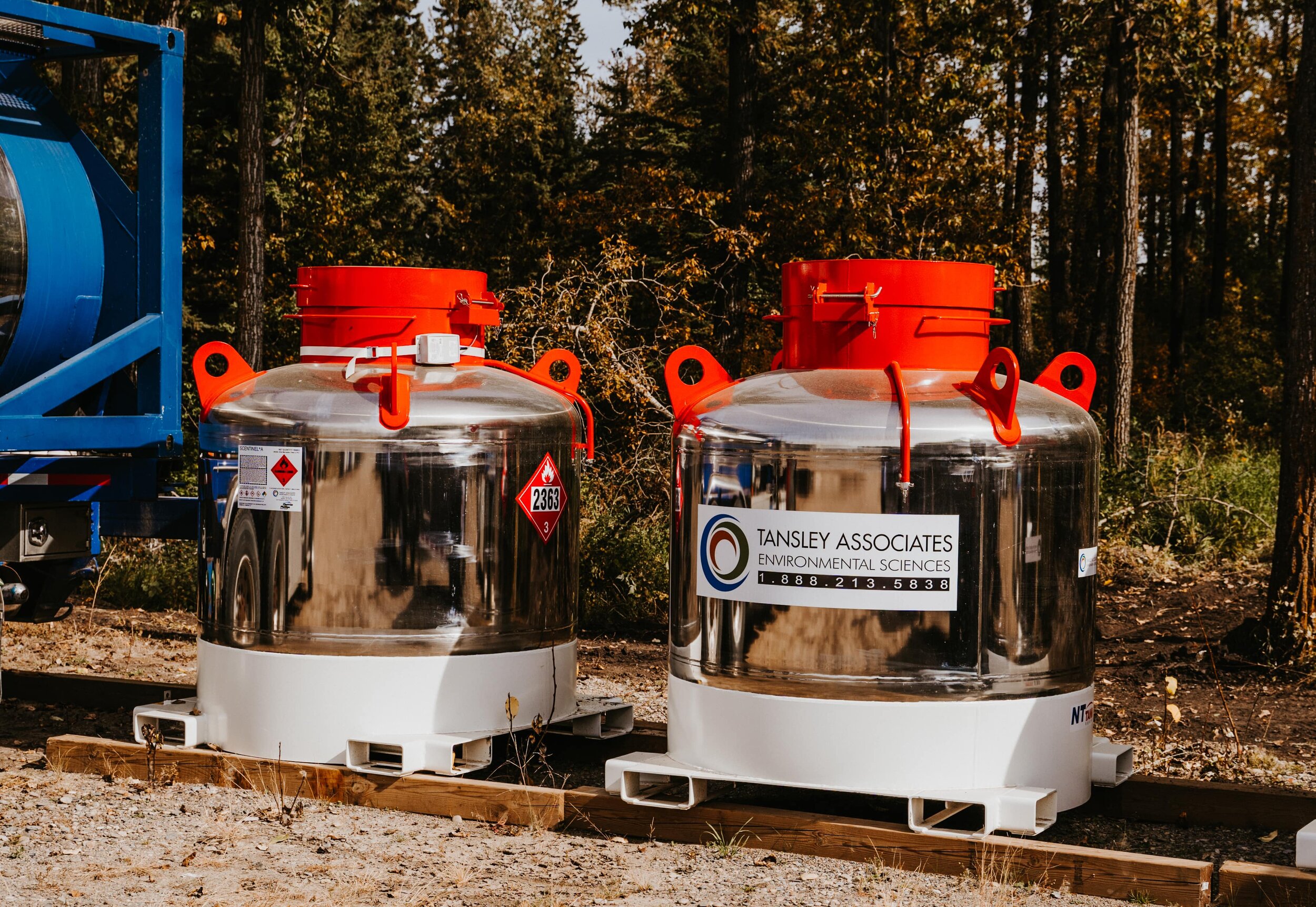
Odorant pressure vessel contamination can develop gradually through moisture ingress, internal residue, particulates, or handling errors. In many cases, the vessel may continue operating without obvious signs that odorant quality has been affected. That makes prevention especially important.
A contaminated odorant vessel can create more than a maintenance issue. It can affect odorant stability, increase the risk of fading, complicate cleaning and recertification, and make long-term system performance less predictable.
Understanding the three most common sources of odorant vessel contamination helps utilities reduce risk before it becomes an operational problem.
1. Moisture and Air Ingress
Moisture in an odorant storage vessel is one of the most serious contamination risks. It can enter the vessel through several pathways, including the gas used for pressurization and breaches in seals, fittings, valves, or other vessel connections.
Some odorant systems use natural gas to create pressure. While practical, natural gas is generally not as clean as nitrogen and can introduce more moisture and contaminants into the vessel over time. Nitrogen provides a cleaner pressurization medium and helps reduce the amount of moisture introduced into the odorant storage environment.
A second common pathway is vessel breathing, where changing temperatures cause the vessel to push vapour outward during warmer conditions and draw outside air inward as temperatures cool. This can introduce atmospheric moisture and oxygen into the vessel over time, even after the smell of odorant appears to have disappeared.
Moisture may also enter during maintenance, transportation, vessel preparation, or filling if proper procedures are not followed.
Consider a vessel that has recently completed maintenance. It may appear clean and ready to return to service, but if the interior has not been fully dried and verified before filling, moisture may already be present. The problem may not be visible at the time of fill, but the internal environment has changed before the odorant is even introduced.
Over time, moisture in an odorant storage vessel can contribute to:
- Reduced odorant stability
- Increased risk of odorant fading
- Internal contamination
- More difficult cleaning and maintenance
- Less predictable performance
This is why pre-fill verification matters. An odorant vessel Certificate of Dryness provides documented confirmation that the vessel has been properly dried before odorant is added.
Dryness verification does not replace good handling or maintenance practices, but it establishes a critical baseline. It confirms that the vessel enters service without an avoidable source of contamination already present.
2. Particulate Contamination from the Vessel Interior
The internal condition of the vessel can influence odorant quality throughout the storage cycle.
A vessel interior may contain residue, particulates, moisture, or contaminants left behind from previous service. These materials may collect in microscopic surface irregularities or remain after incomplete cleaning and drying.
A contaminated odorant vessel may still look operational from the outside. Internally, however, residue or particulate matter can affect cleanability, odorant stability, and long-term performance.
Surface finish plays an important role here.
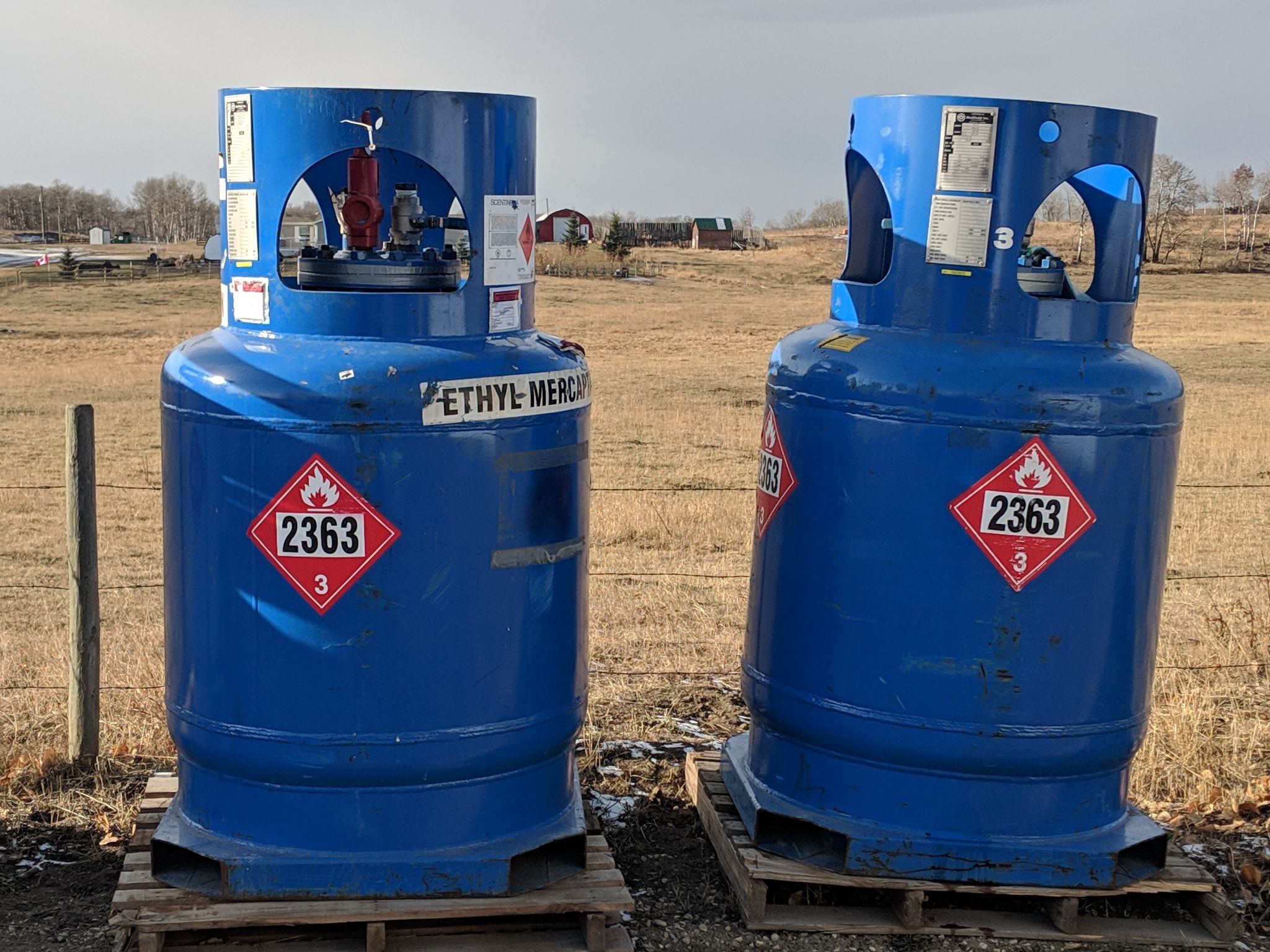
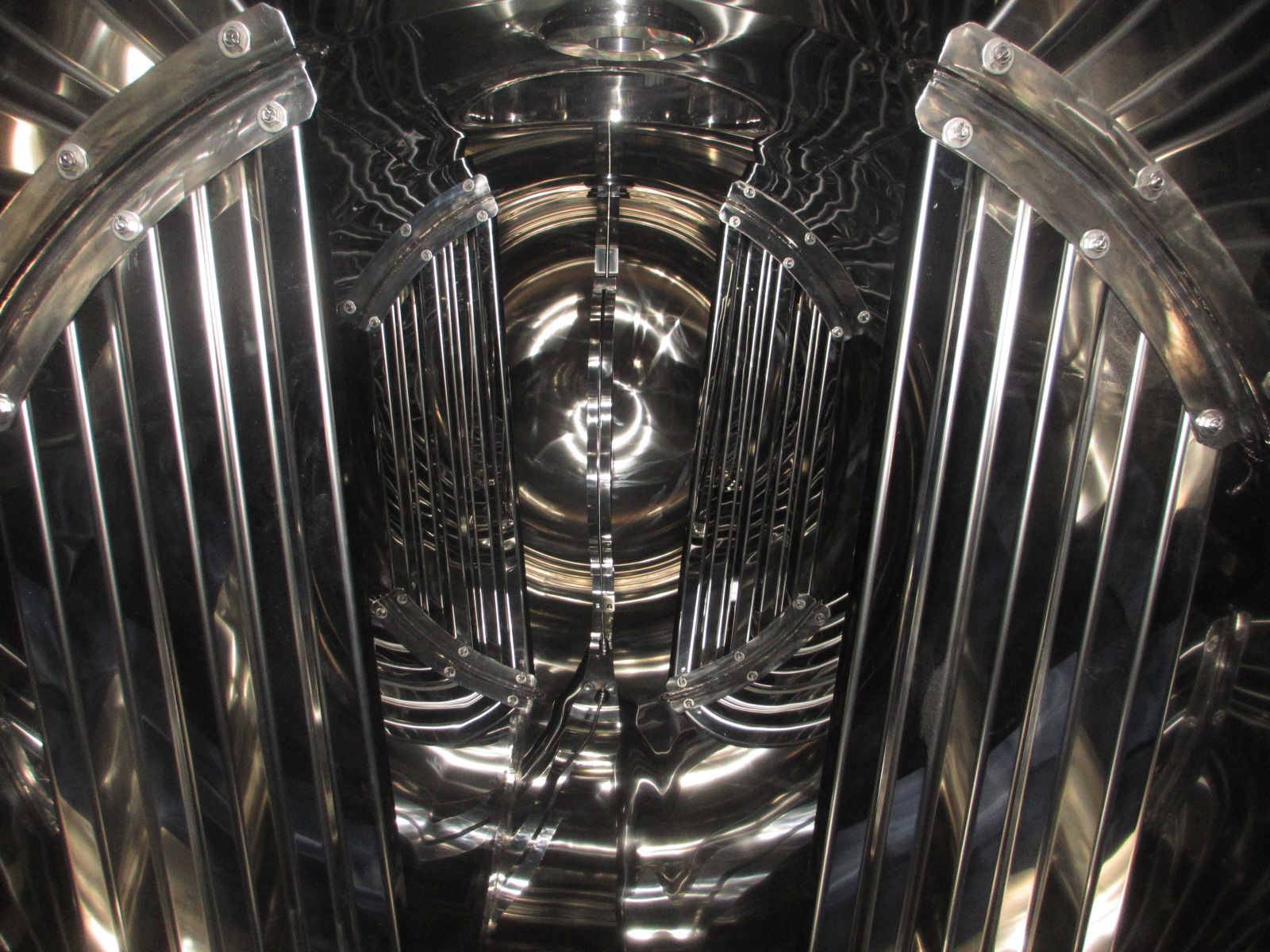
Rougher internal surfaces create more microscopic peaks and valleys where residue and particulates can accumulate. These areas are more difficult to clean and dry completely, especially after repeated service cycles.
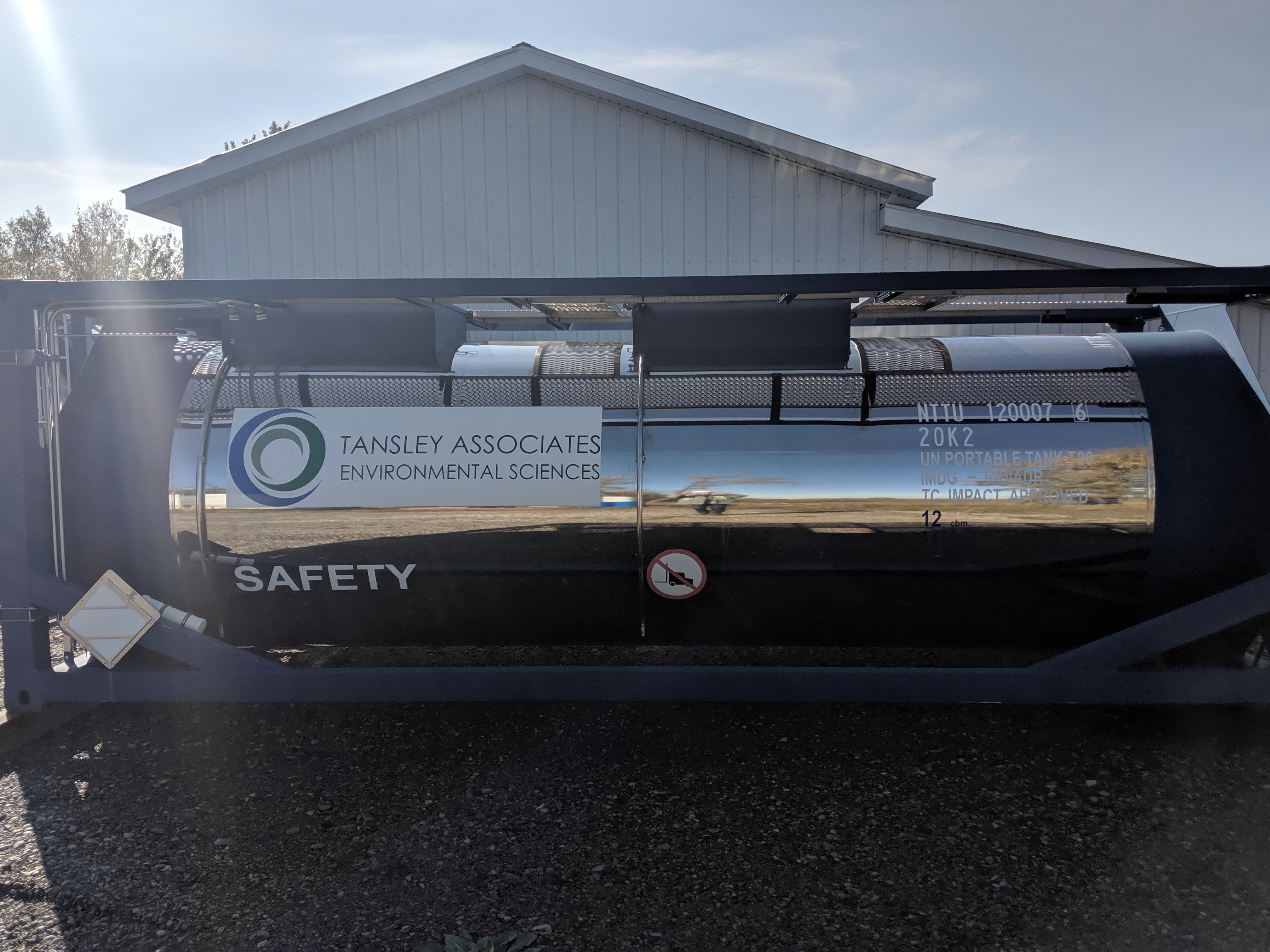
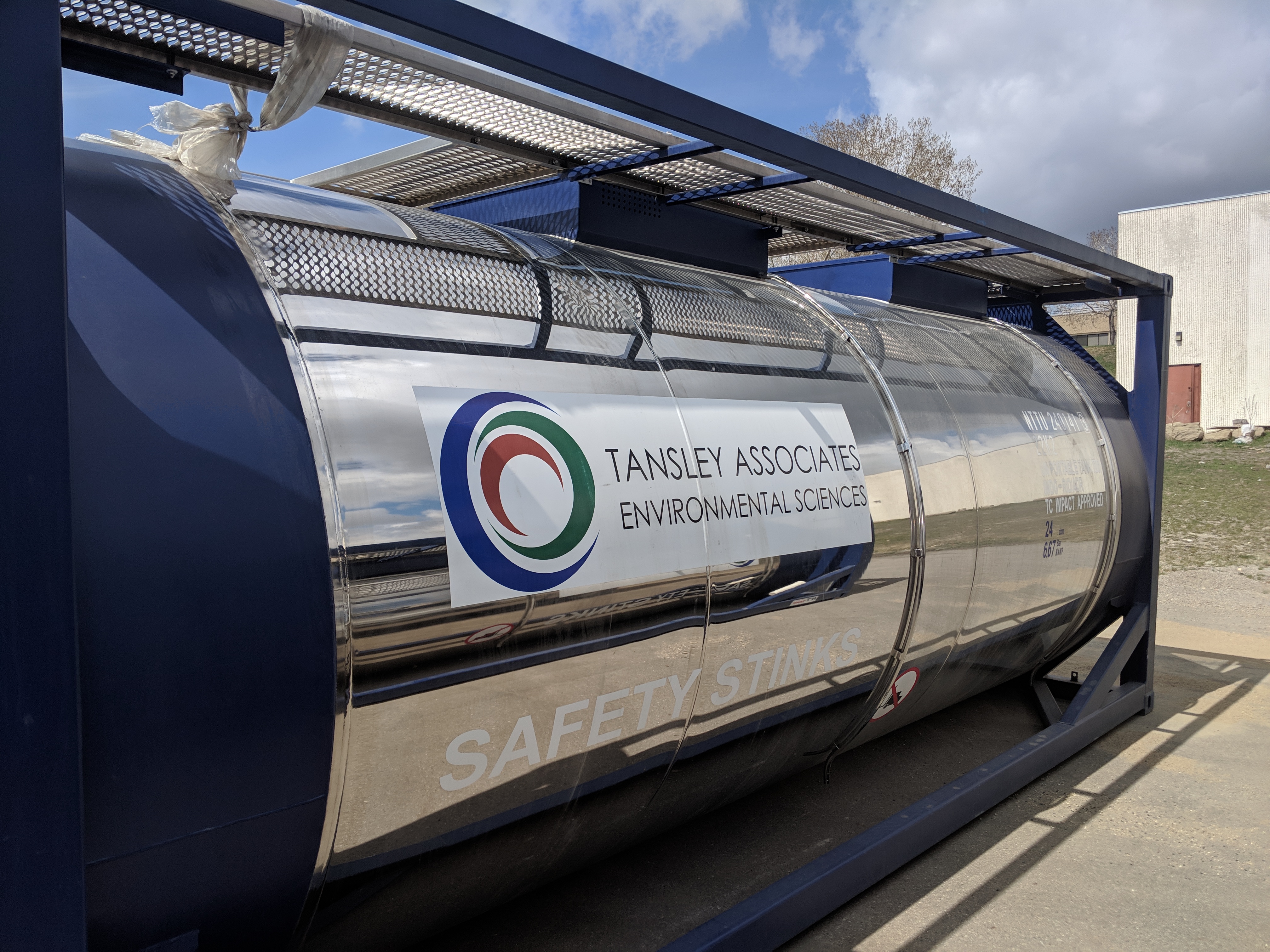
A 0.2-micron mirror polish reduces the number of microscopic areas where contaminants can collect. The smoother finish helps support:
- More effective cleaning
- Faster deodorization
- More reliable drying
- Reduced particulate retention
- Better odorant stability
The difference may not be obvious to the eye, but it matters at the microscopic level.
For senior engineers reviewing odorant vessel finish specifications, internal surface quality should be treated as a performance factor, not a cosmetic detail. It directly affects how well the vessel can be maintained and prepared for each service cycle.
3. Cross-Contamination and Handling Errors
Not all odorant vessel contamination begins inside the vessel.
Cross-contamination can occur during filling, transfer, maintenance, inspection, or component replacement. Every connection, hose, fitting, and handling procedure creates an opportunity for unwanted material to enter the system.
Common sources include:
- Improperly cleaned transfer equipment
- Contaminated hoses or fittings
- Incomplete purging
- Moisture introduced during service
- Exposure during maintenance
- Residue from previous handling activities
These risks increase when work is completed in uncontrolled field conditions.
Repeated onsite filling and maintenance activities create more points of contact with the vessel. Each additional connection or transfer increases the opportunity for contamination, vapour release, or handling error.
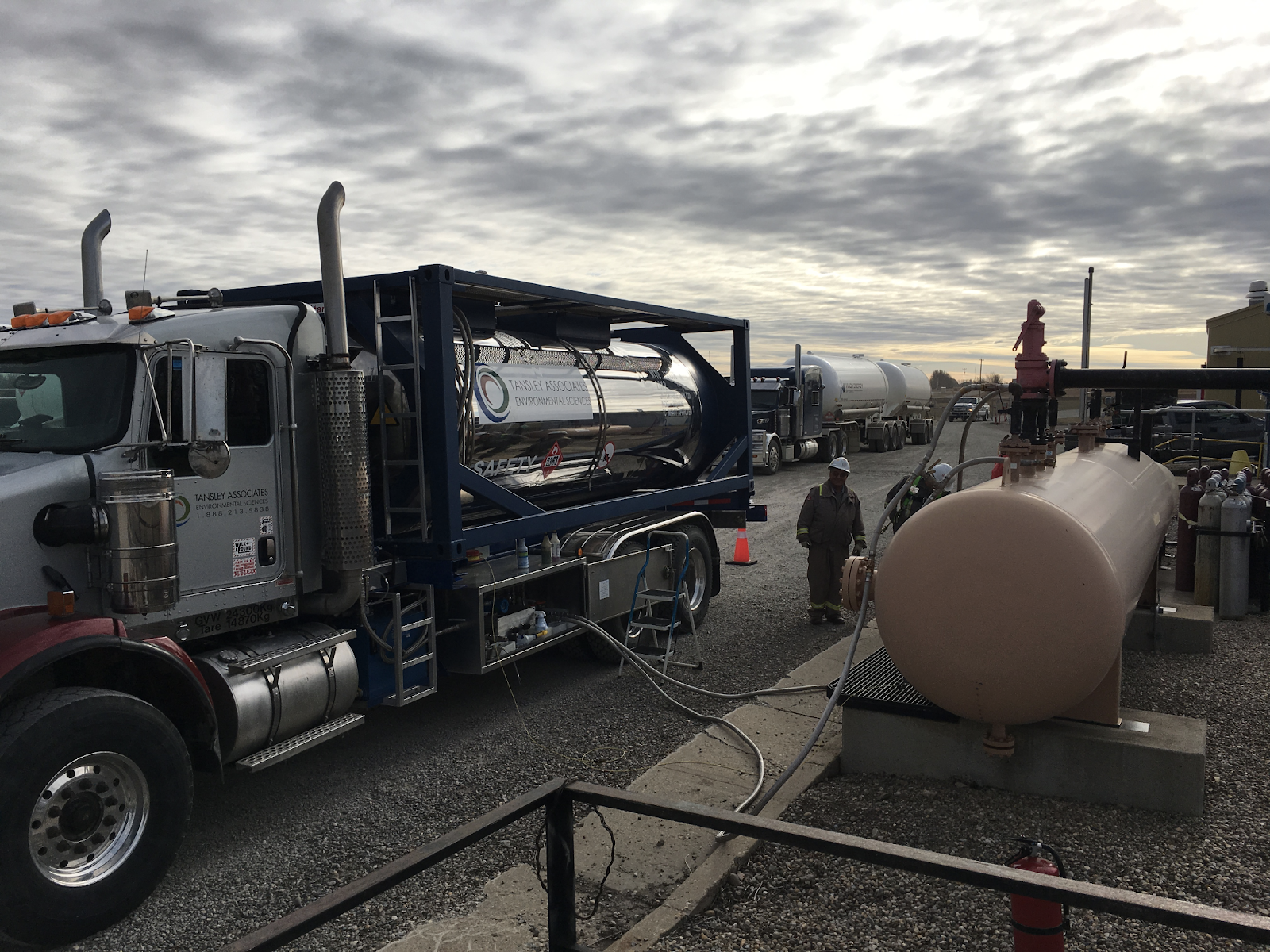
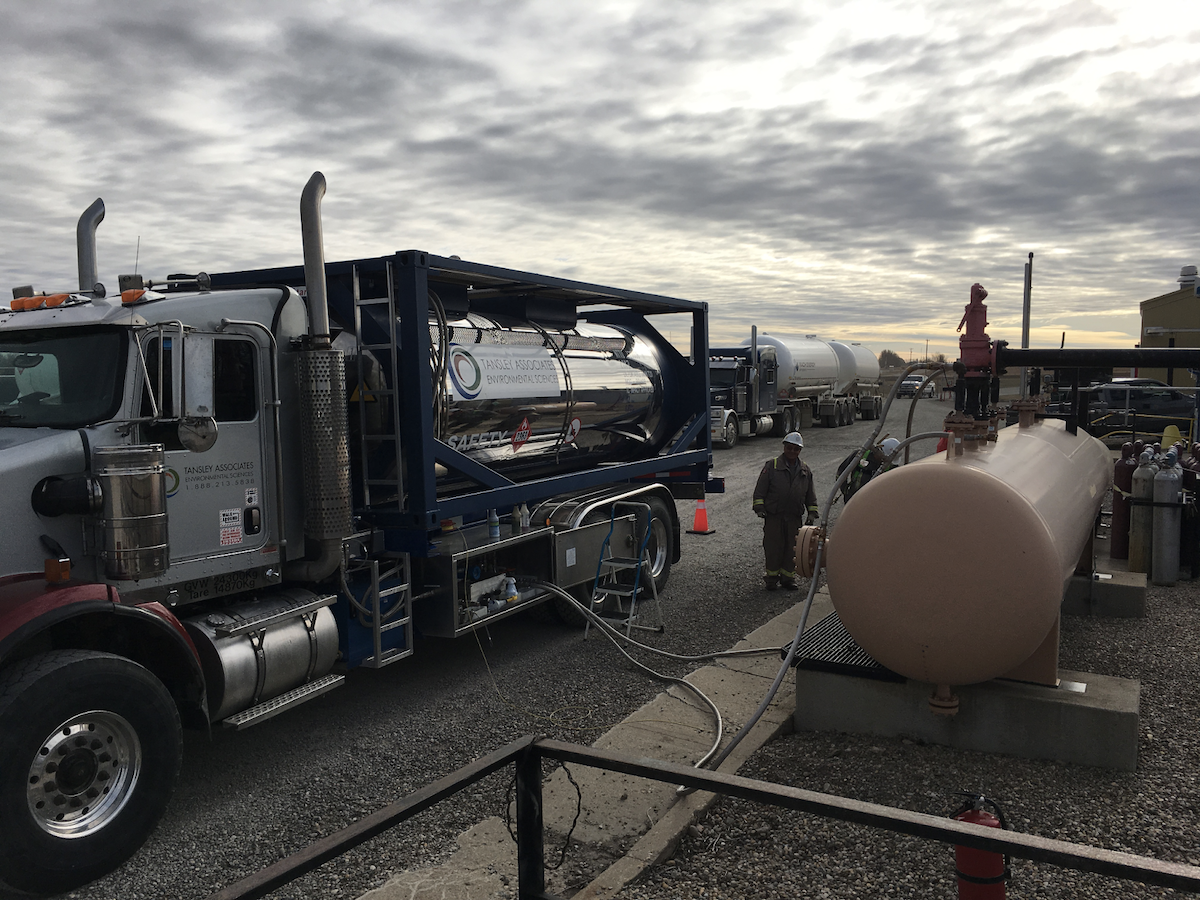
Structured vessel exchange programs reduce that exposure by moving cleaning, filling, maintenance, and recertification into a controlled facility environment.
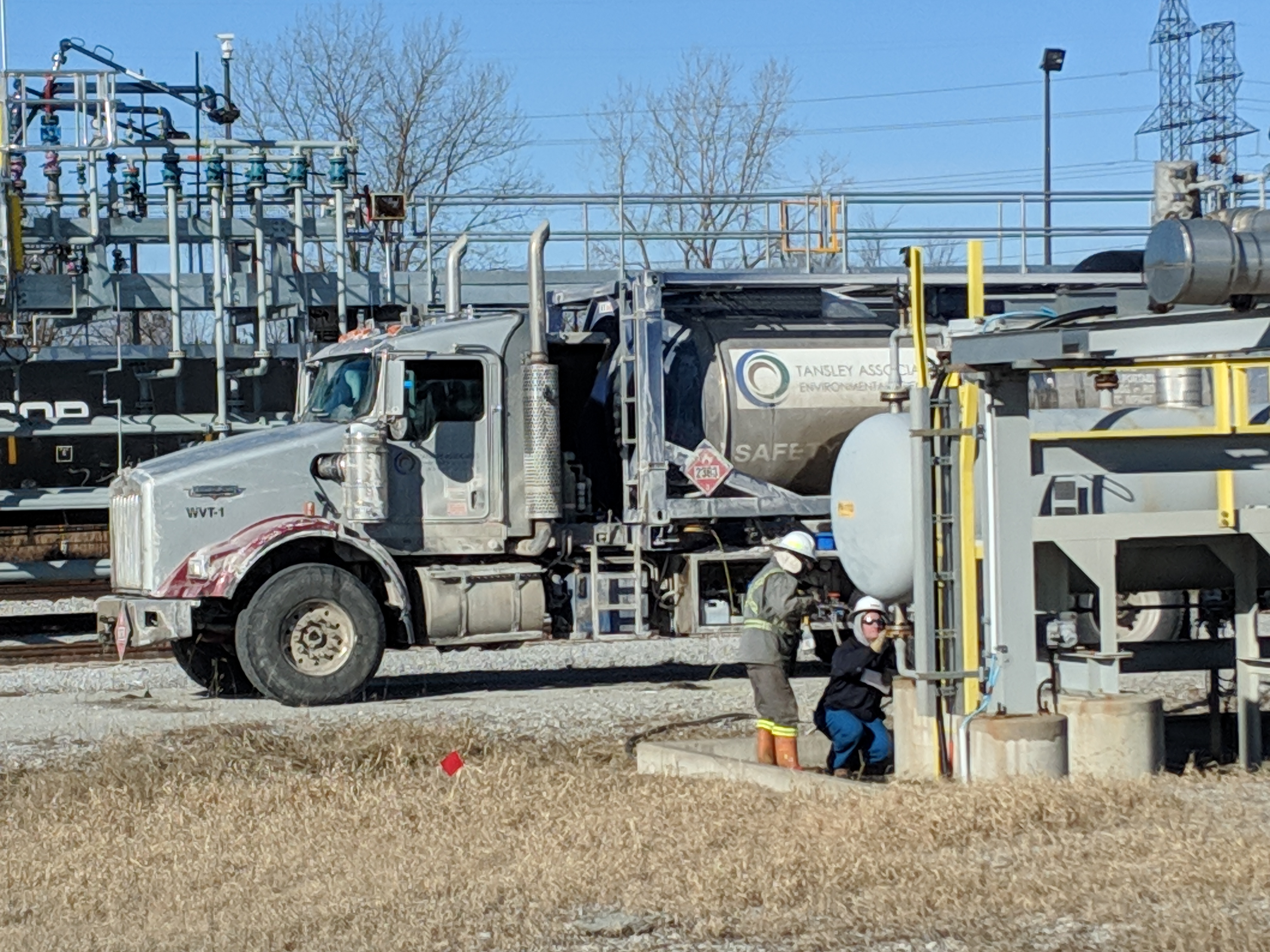
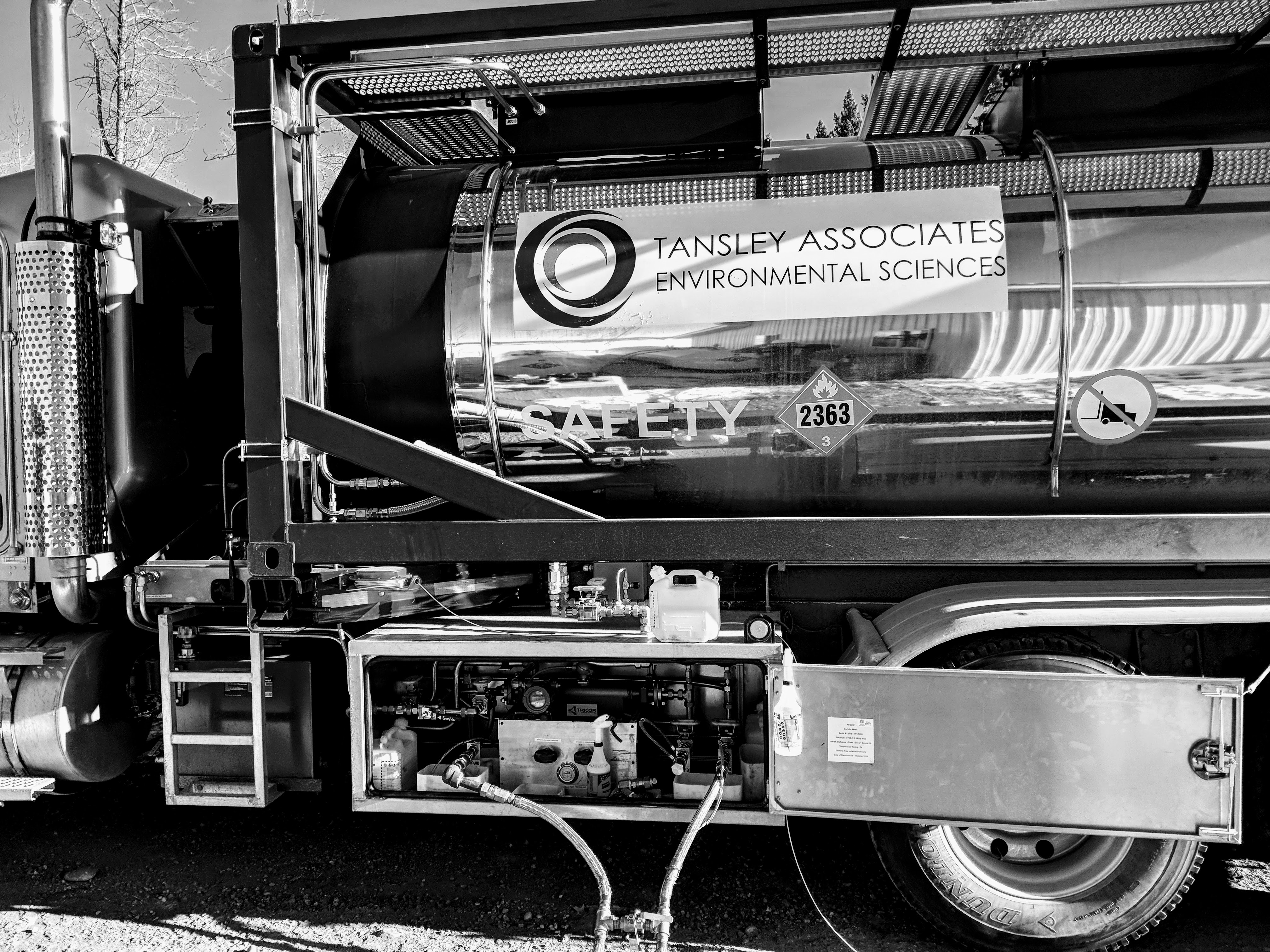
Instead of performing repeated liquid transfers onsite, a service-ready vessel can be delivered and exchanged. The removed vessel can then be transported back for cleaning, drying verification, maintenance, quality assurance checks, and technology upgrades.
This approach improves consistency while reducing the number of activities performed at the utility site.
Smell Is Not the Only Signal
One of the challenges with odorant pressure vessel contamination is that it does not always produce an immediate or obvious warning.
Operators may eventually notice:
- Changes in odorant performance
- Unusual consumption patterns
- More frequent maintenance needs
- Inconsistent injection behaviour
- Changes in system data
By the time those signals appear, contamination may have been present for weeks or months.
Odor alone is not a reliable indicator of internal vessel condition. A vessel may smell normal while still containing moisture, residue, or particulates that affect odorant quality.
This is why documentation, monitoring, inspection, and maintenance all matter.
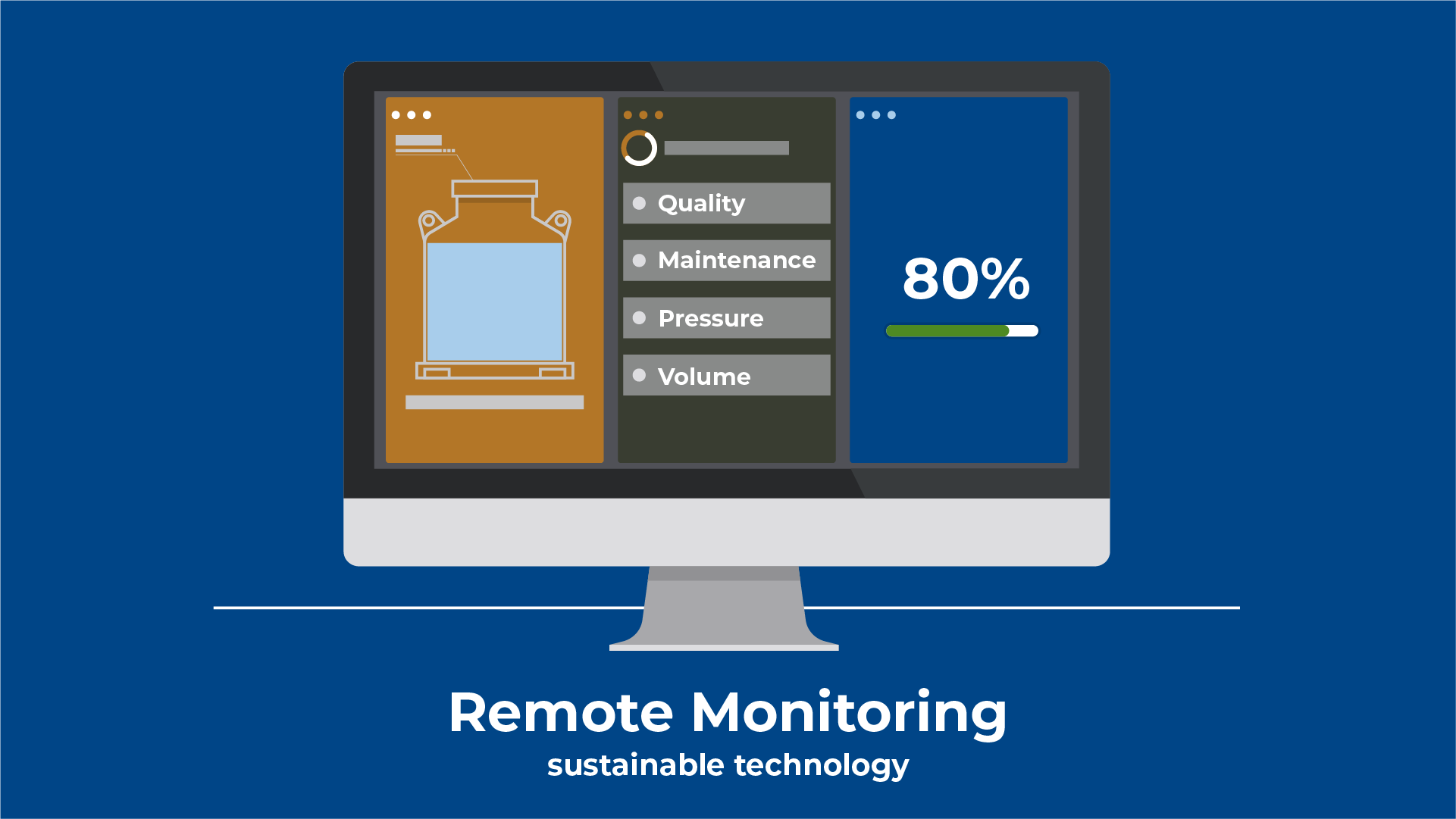
Remote monitoring can help identify changes in usage or operating conditions, but it does not replace physical vessel controls. A complete contamination prevention strategy still depends on proper vessel preparation, internal surface quality, dryness verification, and scheduled maintenance.
Reduce Contamination Risk at the Source
The most effective way to manage odorant vessel contamination is to prevent it before it enters the system.
That requires multiple controls working together throughout the vessel lifecycle.
Key safeguards include:
- Certificate of Dryness verification before filling
- A 0.2-micron mirror polish interior finish
- Controlled filling and handling procedures
- Clean transfer equipment
- Scheduled inspections and maintenance
- Remote monitoring where appropriate
- Structured vessel exchange programs
- Complete lifecycle documentation
No single procedure eliminates every risk.
Dryness verification protects against moisture. Surface finish improves cleanability. Controlled handling reduces cross-contamination. Monitoring supports earlier planning. Scheduled maintenance helps maintain physical condition over time.
Together, these controls create a stronger and more predictable odorant storage environment.
Contamination prevention should begin before a vessel enters service and continue through every inspection, fill, exchange, and maintenance cycle.
If you are reviewing your odorant storage practices, explore our odorant services to learn how Tansley supports contamination prevention, vessel maintenance, and long-term odorant quality management.
If you have any odorant concerns or questions, we would be pleased to talk to you. Call 403.569.8566




.JPG)

